


Areas We Cover
Categories

SEEDANCE 2.5 FOR THEATRE MARKETING: TURNING APPROVED PRODUCTION ASSETS INTO PROMOTIONAL VIDEO CONCEPTS
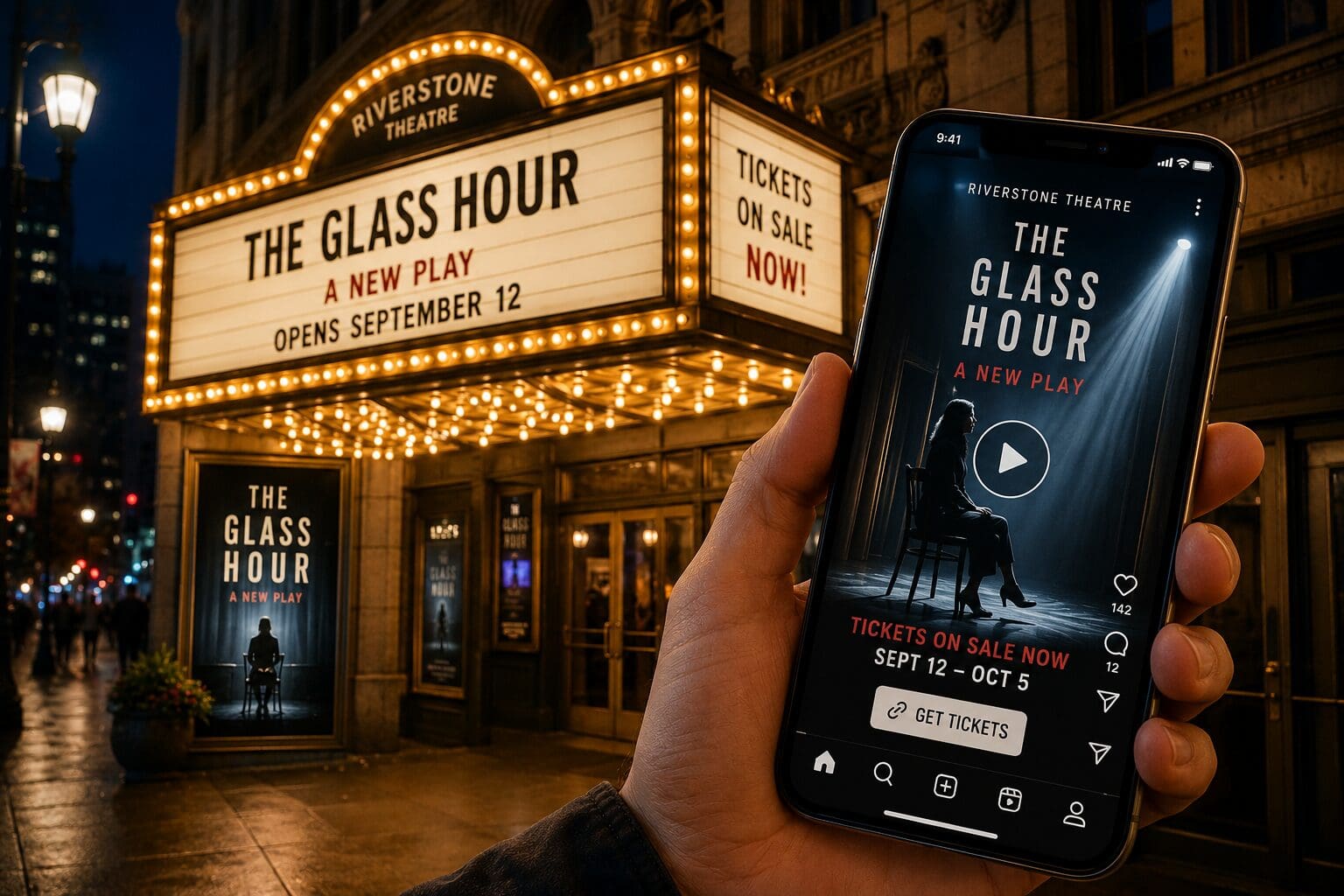
Theatre marketing usually starts with a rich set of approved assets: production photography, poster art, costume references, stage designs, rehearsal images, and cast information. The opportunity is to turn that material into motion for promotion.
The responsibility is to do it without inventing scenes that misrepresent the actual show. Trust between artists and audiences is the currency here, and a promotional clip that promises something the production does not deliver spends that trust at the box office. This article is about turning approved assets into promotion that is both compelling and true to the show.
For exploring those concepts, Seedance 2.5 can help develop promotional video around the approved visual identity while keeping direction under review.
Start from approved theatre assets
Begin by sorting the available material into what can be used directly and what serves only as creative reference. A production still can appear as itself; a costume sketch might merely guide a mood.
From there, generation can explore promotional concepts built around the show’s real visual identity. The model should support the marketing plan, never invent details that conflict with the actual production, because a promotional clip that contradicts the show confuses the very audience it is meant to attract and can leave attendees feeling misled when they arrive.
Turn stage imagery into motion
A still production photograph can suggest movement, but the motion should serve the story of the production. Consider a slow camera move across the set, a controlled transition between approved visual motifs, or a short sequence that introduces the atmosphere of the performance. Seedance 2.5 is suited to this, because its image-to-video and reference control can take approved production photography and add controlled motion without inventing scenes the live show will not match.

Seedance 2.5 First & Last Frame interface for turning approved visual assets into video — courtesy of the official website
Avoid adding fictional plot events that could be mistaken for scenes from the real show. The strongest promotional concept usually preserves the production’s identity while giving audiences a fresh way to encounter it, offering a taste of the atmosphere rather than a fabricated scene that the live performance will not match.
Respect performers and creative teams
If recognisable performers, directors, or designers appear in generated promotional material, use approved assets and follow the production’s permissions and publicity policies. Never imply that a performer delivered a generated performance they did not provide.
Theatre depends heavily on the relationship between artists and audiences, and a clear approval process keeps the promotion aligned with the production’s actual credits, cast, and creative direction. Performers and designers have a stake in how their work is represented, and honouring that is not only ethical but practical, since a company’s future work depends on those relationships staying healthy.
Build versions for the campaign
A theatre campaign may need a teaser, an announcement, a cast-focused clip, a venue promotion, and a final reminder as opening night approaches. Create one central visual concept that can be adapted rather than generating unrelated videos for every post.
Keep key production details readable and leave room for dates, venue information, and ticketing text during editing. Review every version against the approved marketing materials before it goes out, so the whole campaign speaks with one voice and no single post drifts away from the show’s real identity.
Tie every clip back to ticketing
Theatre marketing has a concrete goal that other creative work sometimes lacks: it needs to sell tickets to specific performances on specific dates. Every promotional clip should make it easy for a viewer to learn when the show runs and how to book.
Design the concept so there is a natural place for that information, and confirm the dates and booking details are exactly right before publishing. A beautiful teaser that leaves a viewer unsure how to buy a ticket has done only half its job, and in theatre the second half is the one that pays for the production.
Check facts and rights before publishing
Confirm show dates, venue, and cast details separately from the visual quality, and verify you were entitled to use every photograph, design, or logo involved. View the final cut where audiences will see it.
Accuracy is part of the marketing, not a constraint on it. An audience that trusts a theatre’s promotion returns for the next production, and that repeat trust is worth far more than any single striking clip that overpromised and drew a disappointed house.
Time the campaign to the run
Theatre marketing lives against a fixed calendar: the announcement, the on-sale date, the run, and closing night. The promotional clips are most effective when they are timed to that calendar, with the teaser building anticipation, the launch clip driving the on-sale, and reminders intensifying as opening night approaches.
Plan the whole sequence of videos against the run before making any of them, so each clip has a clear job at a clear moment.
A campaign timed to its calendar keeps momentum building toward the performances that need to sell, while a set of undated clips released at random misses the rhythm that turns awareness into booked seats. In theatre, timing is not a detail; it is most of the strategy.
It also helps to prepare the later clips in advance, so a reminder or a final-week push can go out on time even when the run itself is keeping the company busy. A campaign calendar with the clips built ahead removes the risk of the most urgent promotion, the one closest to a performance that still has seats, being the one that slips because everyone was occupied with the show. Prepared early, timed deliberately, the campaign does its work without competing with opening night for attention.
The takeaway
Work from approved assets, add motion that honours the real production, respect the people involved, tie every clip to ticketing, and adapt one concept across the campaign. Each step keeps the promotion true to the show it is selling.
Generation accelerates the creative stage while the production’s identity and the audience’s trust, which are the whole point of theatre marketing, stay protected. The tool helps you invite an audience in; the honesty of the invitation is what makes them come back. Used that way, Seedance 2.5 helps theatre marketing turn approved assets into promotion that stays true to the production it is selling.
