

Areas We Cover
Categories

FORMULA 1: WHY IT’S GAINING SPEED IN THE U.S.
by Aveline MacQuoid | July 13, 2025
in Extras
Formula 1, or F1, is one of the most watched motorsports in the world. It began in Europe but now has fans in nearly every country. In the US, interest has grown rapidly in recent years. Part of this growth is due to more media attention and new races like the Miami Grand Prix. Fans interested in experiencing fast races through melbet promocodes, should note that F1 is regulated, and all promotional material should be handled with care.
Where F1 Started
In 1950, England hosted the first race. But racing like it had existed for decades before that. Early F1 cars were simple and built more for survival than for speed. Over time, the sport became more advanced and expensive. Today’s teams use hundreds of people and spend millions to build just one car.
In the U.S., F1 had a slow start. Many fans preferred NASCAR or IndyCar. But things have changed in the past decade. Household names Lewis Hamilton and Sebastian Vettel have tremendously increased F1’s popularity. Then Netflix came along with Drive to Survive, a show that acquainted a new fan base with the sport. Viewers saw more than cars—they saw rivalries, pressure, and teamwork.
What Makes F1 Special
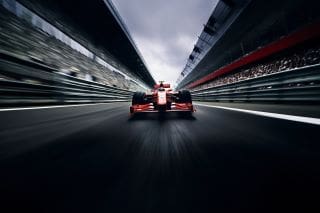
They are fast, sleek, and constructed of very high-tech materials. These cars go over 220 miles per hour. They also need to stop very abruptly and turn very sharply. Everything must work perfectly.
It’s just like a live TV broadcast. The driver is the one in front of the camera, but there is an entire crew working behind the scenes. Engineers and team members give the driver real-time updates during the race. Every second matters. If one thing goes wrong, it can ruin a race.
Strategy Matters Too
F1 is not just about speed. Strategy plays a big part. Teams must decide when to stop for new tires or how hard to push the car. These choices depend on the weather, track conditions, and what other teams are doing.
It’s like running a media campaign. You have a plan, but you need to gear shift quickly if something occurs. Red Bull and Mercedes teams are renowned for their planning. Ferrari and McLaren experience good times and bad times. Success is most often contingent on leadership, money, and how quickly a team can develop their car.
Drivers and Teams Work Together
Even with all the tech, drivers are still key. They are athletes, public figures, and brand faces. One small mistake can cost them a win. But it’s not just about driving. They also do media work, attend events, and represent sponsors.
Drivers and crew are both key components of any team. The average pit stop takes only an incredible 2 seconds, which makes any mistake costly. Everyone on the team has a job, and communication is critical. F1 is a mix of fast decisions, cat-like reflexes, skill, trust, and sometimes, even a little luck.
What’s Changing in F1
F1 is trying to go greener. The sport has a plan to cut carbon emissions by 2030. They’re working on better fuels and changing how they move equipment between races. Some fans and experts question if this is enough. Research is ongoing, and results are not final.
The sport is also adding new races in places like the Middle East and the U.S. This helps F1 reach more fans. But some long-time supporters miss older tracks with more history. Balancing tradition and expansion remains a challenge.
Why U.S. Fans Are Paying Attention
American fans are now more engaged than before. There are a few reasons:
- Better Storytelling – Shows and apps help fans follow races, rivalries, and drama.
- American Faces – Drivers like Logan Sargeant and a possible new U.S. team are building interest.
- Clearer Data – Fans can now follow lap times, tire choices, and strategies more easily.
F1 feels like a mix of NASCAR’s boldness and the NFL’s planning. It’s fast and flashy, but also requires smart choices and deep teamwork.
Looking Ahead
F1 is growing, but it’s also changing. New rules, new markets, and new goals are shaping its future. Not everything is certain. Some changes may work better than others. Experts continue to study these shifts, and opinions vary.
What makes F1 exciting is the mix of machine and human effort. A car may be built with science, but races are won with instinct, timing, and trust. A race car requires scientific and mechanical knowledge, but putting them into practice and winning demands timing, instinct, and dedication. F1 offers a show worth your time, even if you are new to races. The thrill of the unknown binds together newer and older fans.

Search Articles
Please help keep
Stage and Cinema going!
