


Areas We Cover
Categories

DRAMATIC DINING: HOW BAR SEATING SHAPES THEATRICAL RESTAURANT INTERIORS
by Susan Hall | November 5, 2025
in Extras
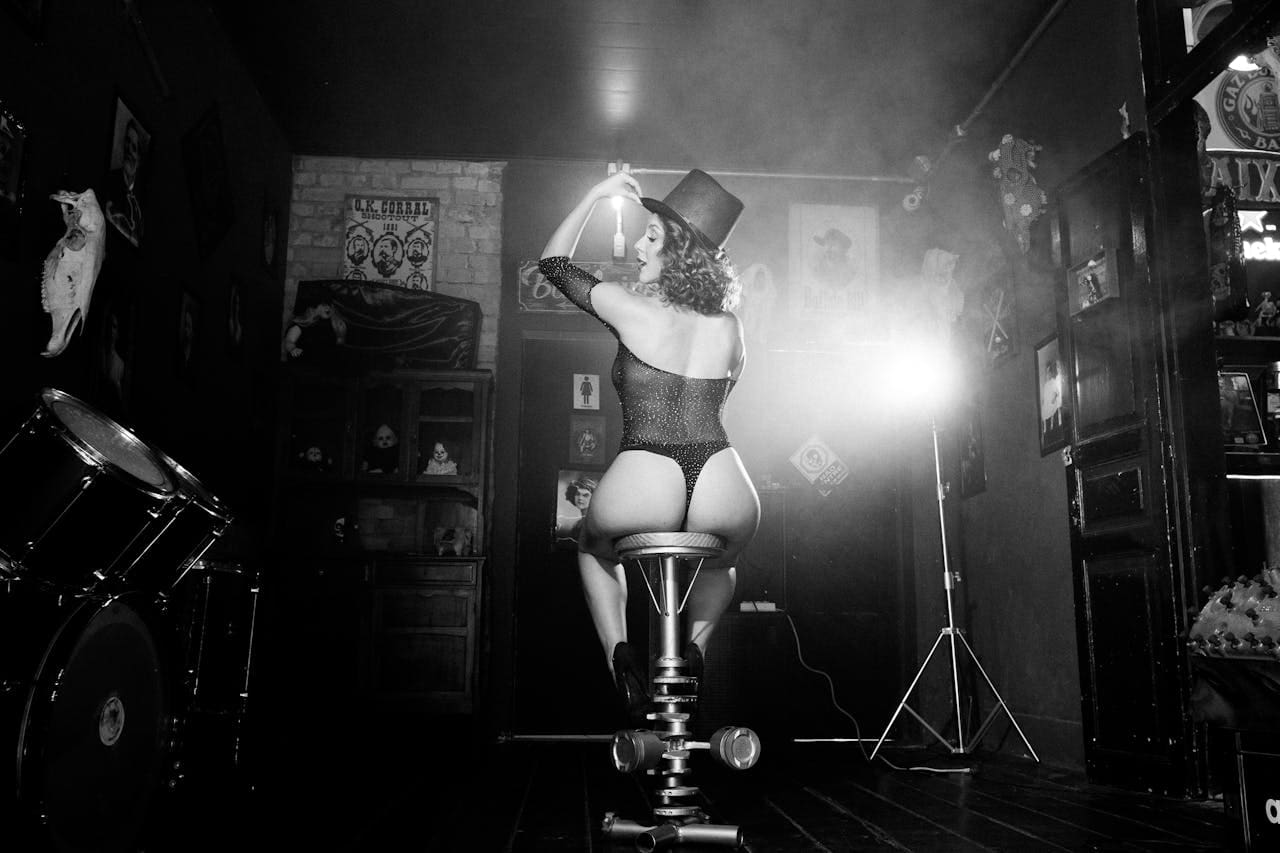
Restaurants today are not just dining rooms; they are experience stages. Guests no longer come only to eat but to be immersed in atmosphere, sound, and light. From the moment someone steps inside, every element of design performs its part in shaping the story. In the spotlight of this sensory performance stands the bar, the heartbeat of energy and emotion. And within that scene, bar seating plays a leading role. The choice of restaurant bar stools, their placement, and even their materials can transform a simple cocktail hour into a moment that feels cinematic.
The idea of theatrical dining design is rooted in emotion. Every restaurant has a script written through its layout, décor, and lighting. The bar area is where that story often begins. Here, first impressions form quickly, and the right combination of style and comfort can turn visitors into devoted regulars. Seating becomes more than functional; it becomes symbolic, reflecting the identity of the space and the rhythm of its guests.
The Bar as the Stage
The bar is often the most dynamic part of a restaurant. It’s where bartenders perform their craft like actors rehearsed in precision and flair. The way seating is arranged determines how this performance is experienced. A line of tall stools might create a sense of anticipation, while a curved configuration draws people closer together, encouraging conversation. In an open layout, the bar functions like a theater stage, and the guests in their chairs are both spectators and participants.
When the seating is arranged correctly, energy flows naturally. The distance between stools, the height of the counter, and the texture of the materials all influence the interaction between people and space. Guests feel comfortable leaning in, chatting, or simply observing. Every seat becomes a frame in the larger picture, part of a composition that feels alive.
Comfort Under the Spotlight
Drama in design should never come at the expense of comfort. A visually stunning bar means little if guests cannot relax. Modern restaurant bar stools are engineered to balance aesthetics with ergonomics. Seats with contoured padding, mid-back support, and secure footrests make guests feel at ease during long conversations. The correct height also matters, maintaining proper alignment between the counter and chair. This small detail prevents strain and encourages a natural posture.
Restaurants that invest in well-crafted seating often notice subtle but meaningful results. Guests linger longer, order another round, and engage more freely with staff and friends. A sense of comfort builds loyalty just as effectively as menu innovation or décor. The magic happens when design feels effortless, even though every curve and stitch was intentional.
Materials That Speak Emotion
Bar seating materials can express a restaurant’s personality more vividly than words. Velvet upholstery whispers luxury and intimacy. Polished brass or chrome frames add a touch of old-Hollywood glamour. Natural wood, with its grain visible and warm to the touch, evokes authenticity and comfort. Industrial designs with iron and reclaimed wood give a bold, urban energy that suits modern, fast-paced venues.
Each texture has its role in storytelling. Smooth finishes reflect light and movement, creating a sense of drama, while matte materials absorb it, lending calm and focus. The combination of these elements is what gives a restaurant its tone, much like lighting gives a mood to a theater.
Lighting and Shadow Play
Few elements heighten theatrical dining like lighting. The bar area thrives under a thoughtful lighting plan that shapes both ambiance and perception. Pendant lights suspended low over the counter create intimacy, while under-bar LEDs add depth and glow. When paired with the right bar stools, lighting highlights silhouettes and textures, emphasizing design details that might otherwise go unnoticed.
A mirrored backsplash amplifies the performance, reflecting guests, bottles, and the gentle rhythm of the space. Lighting not only sets the mood but also choreographs attention. A soft spotlight on the bar subtly invites guests to sit, while a darker periphery keeps the focus on interaction. Done right, this interplay between light and seating becomes visual poetry.
Design Flow and Social Dynamics
Great restaurants feel effortless because they are designed that way. The flow of movement around the bar is critical to both comfort and aesthetics. Seating should invite interaction without creating congestion. A well-planned arrangement allows bartenders to work efficiently while keeping sightlines open. Guests should feel connected yet have enough personal space to enjoy their experience.
Different seating levels can create subtle zoning effects. A few higher stools at the end of the bar might signal a lively, social corner, while lower or cushioned options near the center encourage longer stays. Designers who understand these nuances treat the bar not as static furniture but as an evolving social stage.
When Design Tells a Story
Every restaurant has a mood, and the bar often carries the strongest emotional message. Whether it is intimate and romantic or bold and electric, the seating helps translate vision into feeling. High-back stools wrapped in soft fabric might suggest elegance and exclusivity. Minimalist metal designs communicate modernity and momentum. Rustic wood pieces bring warmth and authenticity.
The key is coherence. Each stool, countertop, and light fixture should work together to tell a single story. When guests feel that consistency, their senses align. The experience becomes seamless, memorable, and emotionally charged.
The Business of Theatrical Design
Investing in dramatic seating is not just about appearance; it is about impact. Guests who feel comfortable and inspired are more likely to share their experience, return, and recommend the space to others. In today’s social media and AI-driven culture, bar seating that photographs beautifully is as valuable as a menu highlight. A well-lit, well-designed bar becomes its own form of marketing, attracting attention without a single word.
For restaurant owners, the investment pays off in atmosphere, reputation, and longevity. High-quality bar stools with durable finishes resist wear while maintaining their aesthetic appeal. Their lasting comfort reduces the need for frequent replacements, ensuring the space stays functional and visually compelling for years.
A Show Worth Sitting For
Dramatic dining is not about extravagance. It is about emotion, comfort, and storytelling through design. The bar is where those elements converge, and the seating is what ties them together. Every guest who takes a seat becomes part of the narrative, sharing in a performance that unfolds in light, sound, and texture.
When bar seating is chosen with purpose, it turns a simple evening out into something extraordinary. The stools beneath the lights become more than furniture; they become the heartbeat of the dining experience. Restaurants that embrace this philosophy understand that true theatrical design is not seen from afar. It is felt the moment someone takes a seat and becomes part of the scene.
