


Areas We Cover
Categories

HOW FANDOMS SHAPE BOTH ONLINE FILMS AND MULTIPLAYER GAMES
by Brandon Metcalfe | December 1, 2025
in Extras

Fans on the internet love to chat, share, and shape the stories they care about. In one lively thread, someone might applaud a new hero skin while another swaps tips about popular gaming hubs like casinos for Czechs, eagerly praised by players with CZK payments. A moment later, a streamer explains how an online casino site, namely https://expertinapolystyren.sk/, could fund a charity speed-run, an idea cheered loudly for Slovaks. The conversation turns toward a fresh cz casino portal such as ceskecasinopreslovenskychhracov.sk, sparking hopes to play online during the weekend marathon. Not to be outdone, critics mention international casinos directory like https://petrzalcan.sk/ that promise fair rules for Slovak players seeking global jackpots. Even sports addicts jump in, trading hacks about online betting communities at zahranicnisazkovekancelare.org that still feel friendly for Czech players. These rapid-fire subjects seem far apart, yet they reveal one truth: fandoms link everything across screens.
The Power of Collective Storytelling
Before the internet, people gathered around school yards or living-room TVs to debate endings of their favorite shows. Now a single Twitter thread can spark a global rewrite of a plot twist minutes after a movie drops online. When fans gather in forums or Discord servers, they do more than trade theories. They build shared storylines. Artists post comic strips that imagine “what if” scenes. Coders write small text adventures that continue a film’s cliff-hanger. Viewers read, react, and add their own twists. This rolling snowball makes the official creators sit up and listen. Many studios now leave deliberate gaps in a story, knowing the audience will fill them. A cliff-hanger once forced people to wait a year. Today it fuels overnight fan fiction that climbs search trends by breakfast. Collective storytelling gives each person a tiny author’s chair, and together they steer the direction of both online films and multiplayer games.
Memes as Modern Fan Language
Scroll through any comment feed after a film premiere or big game patch, and memes flood the screen like confetti. These bite-sized jokes act as a secret handshake among fans. A single image of a distracted boyfriend can compare a studio’s new villain to an older, loved side character. In multiplayer lobbies, players spam sticker emotes that mirror the same meme, creating a quick bridge between strangers. Because memes move fast, they keep the conversation alive long after credits roll. Studios have noticed. Some slip “meme bait” frames into trailers—a goofy face, a dramatic freeze—knowing the fandom will turn it into reaction GIFs within hours. Meme culture also breaks language barriers. A well-timed SpongeBob screenshot can explain disappointment to a friend who speaks a different tongue. In this way, memes become the Esperanto of pop culture, letting film watchers and game players build a shared mood board without typing long paragraphs.
Cross-Platform Events and Watch Parties
Fans no longer wait for an in-person convention to come together. They schedule digital events that hop between apps with ease. A watch party might start on a streaming site at 8 p.m., slide into a group call on Zoom for live reactions, and finish in a game lobby where everyone role-plays the movie’s finale. Cross-platform events turn passive viewing into an active quest. Each stop adds a new layer: trivia quizzes on mobile, selfie challenges on Instagram, or speed-building contests in sandbox games. This patchwork schedule gives people different entry points, so a shy viewer can join by simply clicking a poll, while a hardcore modder can design a themed map. Brands see the reach. They sponsor official hashtags, drop limited in-game items during the credits, and hire streamers to guide the party. The result feels less like marketing and more like a block party, where films and games merge into one rolling festival.
How Game Mods Mirror Fan Edits
Fan edits of films have existed since the VHS era. People trimmed scenes, fixed pacing, or added home-made subtitles to share a “better” cut. In games, the spirit shows up as mods. When players change textures, craft new quests, or swap character models, they perform the same creative act as a video editor with a spare weekend. Both forms live in gray areas of copyright, yet studios have started to embrace them. Some developers now release official mod kits, giving fans safe tools instead of forcing them to hack code. The results can feed back into mainstream releases. A popular Skyrim mod that let dragons talk inspired voice-acted creatures in later expansions. On the film side, director’s cuts on streaming services sometimes copy pacing ideas first tested by fans online. This back-and-forth proves that the boundary between audience and author is thinner than ever. Mods and edits are simply two faces of the same playful urge.
Monetization: From Fan Art to Official DLC
Passion projects once lived on free forums, but today many fans earn real income from their creations. Digital marketplaces let artists sell sticker packs, soundtrack remixes, or printable cosplay patterns based on beloved franchises. Meanwhile, games have adopted the “creator economy” by turning popular fan mods into paid DLC. A team of hobbyists who design a new car skin for a racing game can secure a revenue share when the studio adds it to the official store. The film world follows a similar path with limited NFT art drops and licensed fan documentaries. This shift raises debates over fairness, especially when big companies lean on unpaid labor for fresh ideas. Still, the chance to profit keeps communities vibrant. Fans often reinvest earnings into better gear, courses, or travel to conventions, which in turn feeds richer content back into the cycle. Money changes hands, but the heart of the process remains love for the story.
The Future: Blurred Lines Between Player and Producer
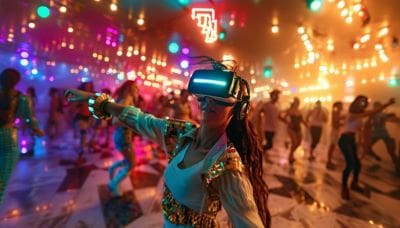
Technology keeps shrinking the gap between the act of consuming and the act of creating. Real-time graphics engines already let filmmakers build entire scenes inside software first made for games. At the same time, studios launch “open beta” story worlds, where fans vote on character arcs before a single episode is filmed. Cloud services handle the heavy lifting, so a teenager with an entry-level laptop can craft levels, remix trailers, or host mini watch parties. Haptic suits and affordable VR headsets will push the trend further, letting participants feel explosions, applause, or gentle rain inside the story world they help design. The result is a loop in which creators and audience members swap roles daily. One week a gamer tests pre-release maps; the next week that same gamer sells concept art that guides the director of a movie tie-in. Experts predict that future licensing deals will include clauses for community royalties, turning large fandoms into co-owners of the brand. If that happens, the word “fan” might become outdated, replaced by “partner” in the ever-expanding digital playground.