


Areas We Cover
Categories

ROUNDERS AND THE ART OF LOSING SLEEP
by Brandon Metcalfe | January 30, 2026
in Extras, Film
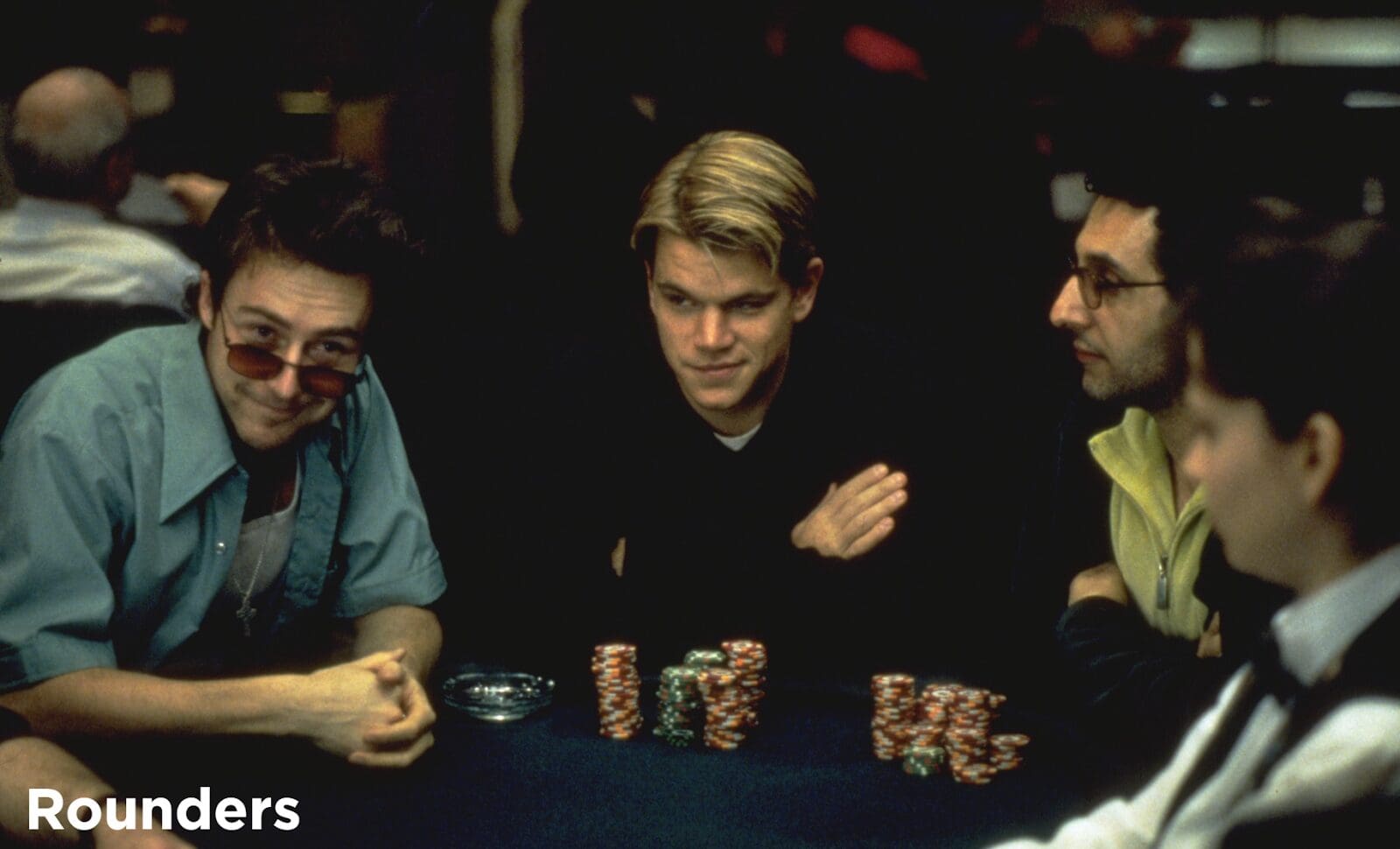
Rounders feels familiar because it understands a common modern problem: the night begins as “one quick stop” and ends with a plan for money that doesn’t exist yet. The film lives in underground poker rooms around New York, where bright lights and quiet confidence hide the same pressures – pride, loyalty, and the temptation to fix everything with one big win.
Mike McDermott is a gifted player who tries to quit after a painful defeat. He wants law school to be the new identity, not another late-night table. Then his best friend Worm gets out of prison and drags him back toward bigger games and worse decisions. The story moves with the pace of a real night out: small wins, rising stakes, and consequences arriving right on schedule.
Plot: a promise broken, a debt created, a clock started
Mike’s issue isn’t ability; it’s believing skill should protect him from chaos. Worm brings chaos to life – friendly, funny, and completely unreliable. When Worm’s debts catch up, Mike steps in, and the film becomes a chase for cash before time runs out. Every shortcut costs something, and the bill always comes due.
Characters: the film’s real card deck
Mike is “smart enough to know better” in the most realistic way: disciplined until emotion takes over. Worm is the friend who turns sensible plans into stories that only sound funny after the danger passes. The supporting poker world feels lived-in – grinders who treat the game like work, regulars who keep track of disrespect, and dealers who read the room faster than anyone at the table.
The pressure peaks with Teddy KGB, the final obstacle. He doesn’t need to shout; the calm confidence is the threat, and it makes the last act feel tight, like a door quietly closing.
Poker atmosphere: neon, noise, and tiny tells
Rounders treats poker as two sports at once. On the surface it’s math, probability, and discipline. Underneath it’s performance: timing, posture, ego, and the effort of looking relaxed while calculating risk. The film pays attention to small details – chips stacked with intent, pauses that communicate, a glance that lands like a warning.
The rooms also change as stakes rise. Low games are loud and social. High-stakes rooms are polite in the way expensive places are polite: smiles are real, but safety is not included.
Betting and casino: where the movie’s logic shows up today
Casino browsing, table choice, and staying in control of the pace
Rounders keeps repeating one lesson in different forms: the “right room” matters, and pacing is part of the skill. In modern casino apps, a navigation label reading choose best online casino often appears beside poker and live tables inside the casino lobby, and that placement shapes how newcomers explore. The practical move is treating the casino section like a map, not a dare – checking limits, game speed, and session length before tapping into anything that escalates. When the goal is relaxed entertainment, mixing slower games with a clear cap on stake size keeps the session controlled, which is exactly the kind of discipline Mike forgets when the pressure rises.
Sports betting and the poker habit of not forcing action
Poker also teaches a useful rule for sports betting: not every moment deserves a wager, and forcing action is how focus collapses. On busy match days, a quick mobile option called bet makes it easy to jump between fixtures, but the cleaner approach is choosing one angle that matches real information – team news, tempo, or a simple total – and sticking to it. Another practical habit is setting a stop line before kickoff and keeping stake sizes consistent across the slip, so one late goal doesn’t trigger a chain reaction. That keeps sports betting tied to planning, not mood swings, which is how poker pros survive long nights.
Gambling tension that doesn’t cheat
The film avoids cheap twists. The drama comes from fatigue and the urge to “fix” a problem with one heroic moment. When Mike plays well, the tension remains because the situation is fragile. When he plays badly, it feels like a human mistake, not a screenplay trick.
The strongest storyline is loyalty. Mike keeps paying for Worm’s mistakes because friendship is messy, and the film refuses to clean it up. That emotional choice is the engine under every card reveal.
Why it still works in 2026
Poker culture has evolved since 1998, but the human parts haven’t changed. People still chase quick fixes when money is tight. Friends still promise “just this once.” Confidence still feels like armor until it turns into a blindfold, and Rounders captures that switch without preaching.
Verdict: a classic that respects the grind
Rounders isn’t trying to be a documentary, but it’s honest about why gambling stories stay gripping: not the money, but the choices. It makes poker feel like a world with rules and consequences, and it builds drama from human weakness rather than movie magic. The performances give it flavor, and the structure gives it stamina.
Final hand
This film stays rewatchable because the tension comes from decisions that feel real, not from tricks. It’s fast, funny in small bursts, and surprisingly practical about discipline and loyalty. When the credits roll, the key idea is simple: the most dangerous moment is deciding.
