Areas We Cover
Categories

MORE THAN DABBERS AND DRAMA
by Aveline MacQuoid | February 7, 2026
in Extras
When most people think of bingo, their minds leap straight to numbered balls, dabbers, and the thrill of shouting “Bingo!” But in the world of fiction, bingo is much more than a pastime, it’s a narrative device, a character shaper, and a conduit for humour and community. From cozy mysteries and sitcoms to contemporary novels, writers have long recognized the storytelling potential hidden behind those simple cards.
Bingo’s appeal in fiction is deceptively rich. Its familiar rituals, social interactions, and occasional chaos make it an ideal backdrop for exploring human behaviour. Characters can reveal themselves through the way they play, the strategies they employ, or the friendships they form while waiting for the next number to be called. The game’s slow rhythm allows authors to unfold relationships, deliver punchlines, and highlight quirks that might otherwise go unnoticed.
One of the reasons bingo works so well in fiction is that it’s instantly recognizable. Almost everyone has experienced it at some point, whether in a hall, at a community centre, or even online. This shared understanding gives writers a canvas they can paint on without needing to explain the rules or dynamics. The focus shifts from the mechanics of the game to the lives of the people around it.
In fiction, bingo nights often serve as microcosms of larger communities. Authors can use the setting to introduce multiple characters, each with their own motivations, secrets, and quirks. For example, a story might follow a competitive player who keeps meticulous notes, an optimistic newcomer who misreads numbers in hilarious ways, and a chatty retiree who connects everyone with a running commentary.
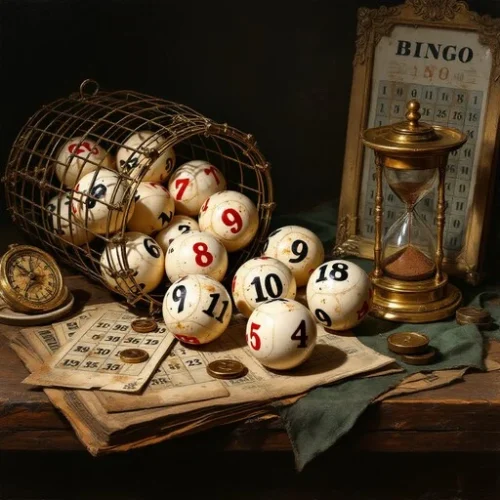
Bingo’s structure lends itself to character exploration. The game’s repetition, suspense, and social interaction highlight personality traits that might otherwise be subtle or hidden. A methodical player becomes the embodiment of order and routine; a fast-talking participant can be the story’s comedic foil, a quiet observer might reveal unexpected wisdom when a pivotal number is called.
Writers also leverage the stakes of the game, no matter how small, to reveal character. For example, a modest cash prize or a coveted raffle gift can bring out competitiveness, generosity, or even cunning. In this way, bingo serves as a lens through which human nature is magnified, offering readers insight into both everyday behaviour and extraordinary quirks.
Bingo naturally lends itself to humour. The unpredictable flow of numbers, the occasional misreading of a card, or the excitement of a player shouting “Bingo!” can all become comedic beats. Writers use these moments to create tension and release, often exaggerating the stakes for maximum comedic effect.
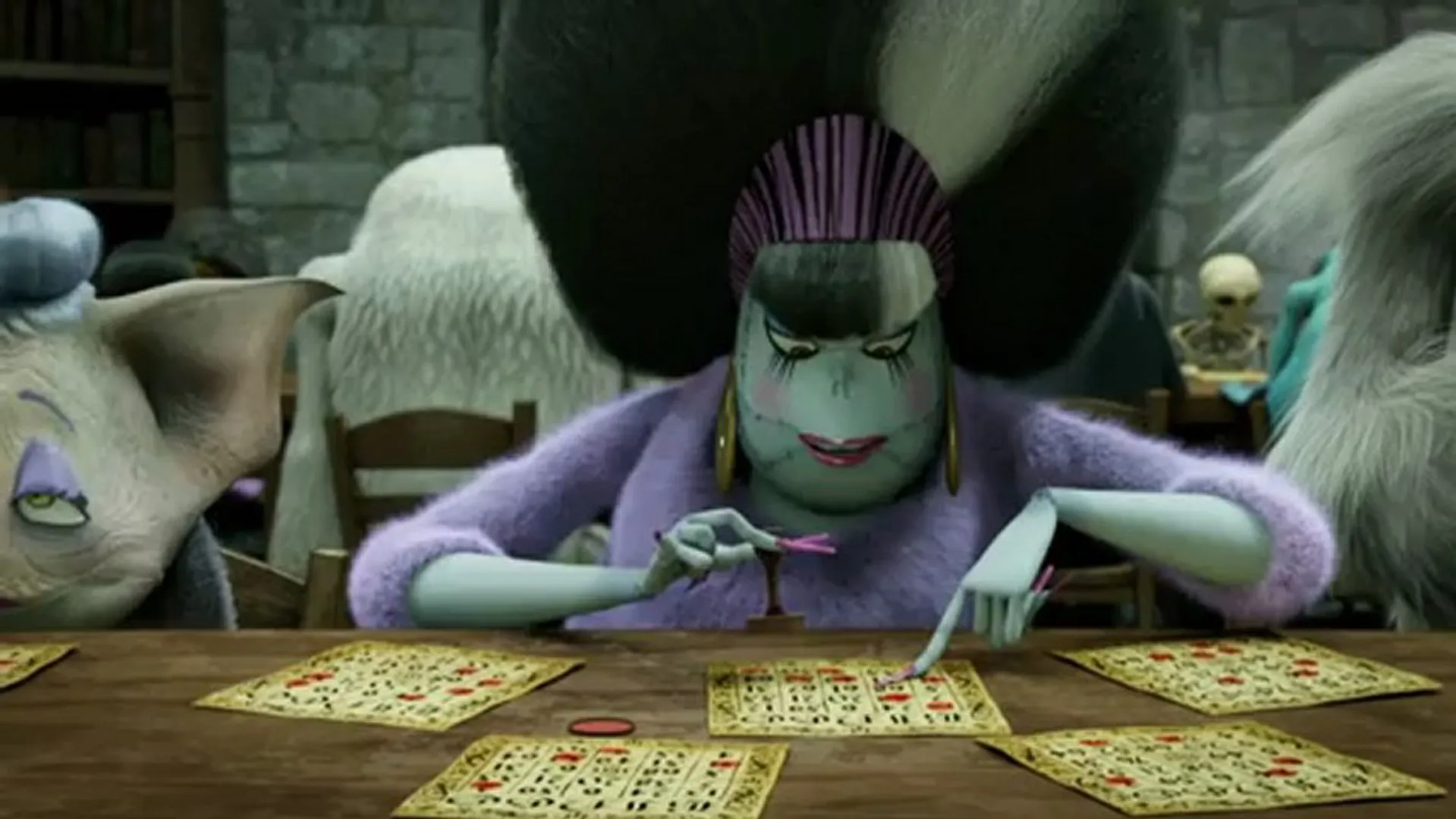
In sitcoms, bingo is a recurring device that brings characters together in absurd situations. Think of a chaotic community hall, a particularly slow caller, or a series of increasingly unlikely events unfolding as players try to complete their cards. Even in novels, bingo can punctuate scenes with levity. Writers often use it to break up heavier narrative threads, providing both the characters and readers a moment of light-heartedness without sacrificing story depth.
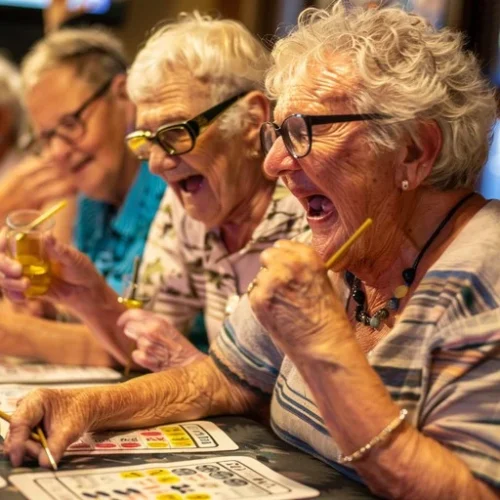
Beyond humour, bingo in fiction often reflects its real-life social function: it fosters connection. Shared experiences at the table allow characters to bond, confide, or reconcile. A single game can bring together multiple generations, creating interactions that might not occur elsewhere. In some stories, bingo nights are central social hubs where community gossip, romances, or rivalries emerge.
For authors, this communal aspect is a goldmine. It provides opportunities for dialogue, conflict, and camaraderie. A storyline may explore a tight-knit group whose weekly games reveal hidden histories or bridge social divides. In this way, bingo is less about winning a prize and more about the relationships it nurtures, a fertile ground for meaningful storytelling.
Modern fiction has embraced bingo in diverse ways. Cozy mysteries often feature bingo halls as crime scenes or meeting points for amateur sleuths, combining suspense with familiar social rituals. Sitcoms and dramas, meanwhile, showcase bingo as a vehicle for humour, character interaction, and heartwarming moments.
Even online bingo sites have made its way into fiction, highlighting how technology and tradition intersect. Characters navigating live chat rooms, virtual cards, or competitive online leaderboards can still experience the same tension, excitement, and camaraderie as in a physical hall, but with added modern twists that resonate with contemporary audiences.
Bingo’s presence in fiction also reflects broader societal themes. It highlights aging populations, community engagement, leisure culture, and social inclusion. Authors use it to explore identity, belonging, and the humour inherent in everyday life. Whether through the lens of comedy, drama, or mystery, bingo-centred stories demonstrate that even the simplest activities can illuminate the complexities of human behaviour.
While bingo may appear on the surface as just a casual pastime, fiction proves that it can be much more. It’s a stage for humour, a lens for character development, and a backdrop for exploring community and connection. Authors harness its rhythm, rituals, and social interactions to craft stories that are entertaining, insightful, and resonant. Next time you see a dabber in hand, think beyond the numbers. That card could inspire a laugh, reveal a personality, or spark a story where characters, and readers, discover the joy, chaos, and warmth of life around a bingo table.