


Areas We Cover
Categories

BEHIND THE SPECTACLE: HOW LARGE EVENTS SOURCE SPECIAL EFFECTS AND PYROTECHNICS

by Lamont Washington | March 10, 2026
in Extras
Stage productions, outdoor concerts, and major festivals often rely on dramatic visual effects to create unforgettable experiences for audiences. While lighting, sound, and stage design play central roles, pyrotechnics and fireworks frequently provide the moment that turns a performance into a spectacle. Behind these displays is a complex supply chain that event organizers, production managers, and special-effects teams must carefully plan.
The Role of Pyrotechnics in Live Events
Fireworks and controlled pyrotechnic effects have long been used to elevate theatrical and live entertainment experiences. From opening ceremonies at international events to the finale of music festivals, these effects help create emotional peaks that resonate with audiences.
Production teams usually begin planning such effects months in advance. They must coordinate with safety officers, local authorities, and licensed technicians to ensure the display meets regulations. Beyond safety, designers also consider how the effects will synchronize with music, lighting cues, and stage movement. The goal is to integrate the spectacle seamlessly into the performance rather than letting it feel like a separate attraction.
Large-scale shows often require dozens or even hundreds of pyrotechnic elements. This means producers must carefully source reliable products and maintain consistent quality throughout the display.
Maintaining Outdoor Event Spaces After Large Productions
Large outdoor events such as concerts, festivals, and theatrical productions often require significant preparation and cleanup. Stages, lighting rigs, and pyrotechnic systems can leave behind debris, soot, or residue that must be removed before the venue returns to normal use.
Event organizers frequently rely on professional cleaning equipment to restore surfaces such as concrete walkways, stadium seating areas, and outdoor staging platforms. Many production teams working with large venues turn to specialized pressure-washing equipment available through providers like https://hotsyhouston.com/ to handle heavy-duty cleaning tasks after events. High-powered cleaning systems help remove smoke residue, spilled beverages, and other materials that accumulate during large gatherings.
Where Production Teams Source Fireworks
Professional event organizers typically work with specialized distributors rather than buying fireworks from retail outlets. These suppliers provide professional-grade products that are designed for coordinated shows and large venues.
Many event planners begin their research by exploring guides such as how to buy fireworks wholesale, which explains the process of purchasing larger quantities of fireworks for organized events and commercial displays. Wholesale sourcing allows production companies to access a wider range of pyrotechnic effects, including specialty shells, multi-shot cakes, and coordinated display sequences.
Working with wholesale suppliers also makes logistical planning easier. Instead of purchasing smaller batches from multiple retailers, event teams can coordinate a single order that includes all the materials needed for a show.
Safety and Regulation in Professional Displays
Safety is one of the most critical considerations when incorporating fireworks into public events. Regulations vary by country and region, but most jurisdictions require licensed professionals to handle pyrotechnic materials.
Production companies often employ certified pyrotechnicians who oversee the storage, transportation, and deployment of fireworks. These professionals conduct site inspections and determine safe distances for both performers and spectators.
The planning process also includes contingency preparation. Weather conditions, wind direction, and venue layout can all influence whether a display can proceed as planned. In many cases, backup plans are created to ensure that the event can continue safely even if conditions change.
Integrating Fireworks Into Performance Design
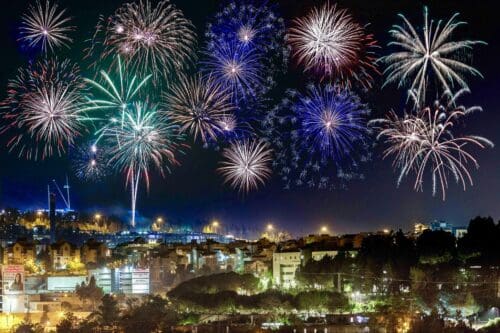
In theatrical environments, fireworks are rarely used as standalone elements. Instead, they become part of a larger creative vision that includes stage design, lighting, choreography, and music.
For example, a concert finale might feature synchronized bursts that match the rhythm of the closing song. In theater productions, smaller indoor pyrotechnic effects can simulate explosions, magical transformations, or dramatic transitions between scenes.
Designers often work with digital show-control systems that allow pyrotechnic effects to be triggered at precise moments. These systems ensure that the timing of fireworks aligns perfectly with other stage elements, creating a cohesive and visually striking performance.
The Logistics Behind Large Displays
Transporting and storing fireworks requires careful planning. Professional-grade fireworks must be handled under strict guidelines to ensure safety during transit and storage.
Event organizers typically coordinate deliveries several days before the show. Once the materials arrive, technicians inspect them and prepare the launch positions. Mortars, racks, and firing systems are arranged according to the planned display sequence.
The setup process can take hours or even days depending on the complexity of the show. Technicians must wire ignition systems, test electronic triggers, and confirm that every effect will fire in the correct order.
After the event, crews also handle cleanup and safe disposal of used materials. Responsible disposal ensures that venues remain safe and environmentally compliant.
The Creative Collaboration Behind Spectacle
Creating a memorable pyrotechnic display is rarely the work of a single specialist. Instead, it requires collaboration among several professionals.
Directors and producers outline the emotional arc of the show, identifying the moments where visual effects will have the greatest impact. Lighting designers coordinate colors and intensity so that fireworks complement the stage environment. Pyrotechnicians translate these ideas into technical sequences that can be executed safely.
This collaborative approach ensures that fireworks support the storytelling or musical experience rather than overshadowing it. When the balance is right, the result can transform an ordinary event into a moment audiences remember long after the performance ends.
Technology Shaping Modern Firework Displays
Advances in technology have significantly changed how fireworks are used in entertainment. Digital firing systems now allow designers to control hundreds of cues with precise timing, enabling complex choreography that was once difficult to achieve.
Software programs can simulate entire displays before the event takes place. Designers can preview how the fireworks will appear against a skyline or stage backdrop, making adjustments before any physical setup begins.
In addition to traditional fireworks, some productions now combine pyrotechnics with drones, projection mapping, and LED lighting systems. These technologies create layered visual experiences that blend classic spectacle with modern innovation.
Why Fireworks Continue to Captivate Audiences
Despite the rise of new visual technologies, fireworks remain one of the most powerful tools in live entertainment. Their combination of sound, light, and scale creates a sensory experience that is difficult to replicate with digital effects alone.
Audiences often associate fireworks with celebration, milestones, and shared public moments. When integrated into performances, they reinforce those emotions and help create a sense of collective excitement.
For producers and stage designers, the challenge lies in using fireworks thoughtfully and responsibly. By carefully sourcing materials, working with skilled technicians, and integrating effects into the overall production design, event teams can create displays that are both spectacular and safe.
In the world of live entertainment, the final burst of fireworks often signals the end of the show, but for the audience, it is the moment that lingers longest in memory.
