


Areas We Cover
Categories

FINDING CALM IN MOTION: HOW TO CREATE VISUAL ASMR FOR DEEP RELAXATION
Modern life demands constant attention. Screens flash with notifications, social feeds update endlessly, and the noise of daily routines can leave the mind feeling cluttered and exhausted. Finding a moment of genuine peace requires more than just closing your eyes; it often requires a gentle focal point to quiet the racing thoughts.
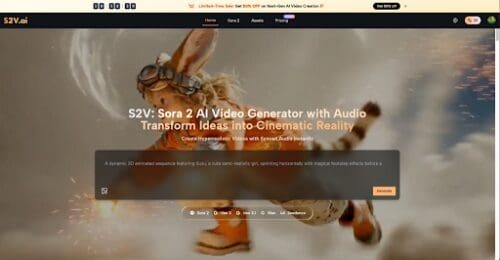
This is where visual ASMR comes in. Autonomous Sensory Meridian Response is often associated with whispering voices or tapping sounds, but visual triggers are equally powerful. Watching slow, predictable, and visually pleasing motions can lower heart rates and invite a profound sense of tranquility. For students unwinding after long lectures or professionals seeking a quiet pause, creating these soothing animations has never been easier. By visiting the S2V website, anyone can generate these relaxing scenes. Utilizing Sora 2, the process of crafting beautiful, calming animations becomes accessible to everyone.
I. The Science of Visual Serenity
Understanding why certain images relax the brain is the first step in creating effective visual ASMR. The goal is to lower cognitive load. When the eyes observe something harmonious and slow, the brain stops trying to process new, erratic information and begins to rest.
1. The Rhythm of Breathing
Pacing is the most critical element of relaxation. Visuals that move too quickly simulate stress and urgency. Conversely, animations that mimic the natural rhythm of a resting heartbeat or a deep, slow breath naturally encourage the viewer’s body to match that pace.
When designing a scene, the motion should take its time. A flower blooming over ten seconds is beautiful, but a flower blooming over sixty seconds is hypnotic. This slow pacing gives the viewer permission to stop rushing and simply exist in the moment.
2. Color Psychology in Motion
High-contrast, saturated colors demand attention and energy. To induce sleepiness or deep calm, the color palette must be deliberate. Pastel tones, muted earthy colors, and monochromatic schemes are ideal for soothing the nervous system.
Imagine a scene bathed in soft morning sunlight, featuring gentle beige, warm peach, and dusty sage green. With the capabilities of Sora 2, specifying these exact color codes and lighting conditions ensures the resulting animation feels like a warm, comforting blanket for the eyes.
3. Continuous Loops and Flow
The human brain loves predictability when it wants to relax. Sudden cuts, chaotic camera movements, or unexpected events break the spell of ASMR. Visual calm is found in continuous, flowing movements that have no clear beginning or end.
Think of water gently lapping against a smooth stone, or a continuous stream of dry sand falling into a pile. The predictability assures the viewer that nothing surprising will happen, allowing their guard to drop completely.
II. Crafting the Perfect ASMR Concept
With the psychological foundation set, the next phase is conceptualizing the actual content. The most effective relaxing videos often focus on tactile sensations, making the viewer feel as though they can reach out and touch the softness on the screen.
1. Capturing Nature’s Subtlety
Nature is the original source of visual calm, but it is important to focus on the gentle aspects. Avoid chaotic weather events. Instead, look to the micro-movements of the outdoors.
Consider a close-up shot of a single blade of sea oat grass swaying lazily in a warm summer breeze against a clear sky. Another excellent concept is a macro view of smooth river stones beneath perfectly clear, slow-moving water. These natural textures ground the viewer and provide immediate psychological relief.
2. The Beauty of Abstract Fluids
For a more modern approach to relaxation, abstract fluid dynamics are incredibly effective. The slow mixing of different densities and colors creates mesmerizing, unpredictable yet smooth patterns.
A popular concept for a Sora 2 AI Video is the slow-motion blending of thick pastel paints. Picture heavy velvet ribbons of lavender and cream gently folding into one another in mid-air. The lack of a defined subject matter allows the mind to wander freely without trying to identify or categorize the image.
3. Soft Kinetic Structures
Kinetic sand, falling fabric, and gently rolling spheres are staples of visual ASMR. The satisfaction comes from the smooth, uninterrupted physics of the movement.
You might design a scene where hundreds of soft felt balls cascade slowly down a set of velvet stairs. The emphasis should be on the softness of the materials and the gentle collisions. When the textures appear soft enough to sleep on, the visual ASMR effect is maximized.

III. Bringing Your Vision to Life
Turning these concepts into reality on the S2V website requires precise communication. The way you describe your scene dictates the level of calm in the final output.
1. Structuring the Text Prompt
A successful prompt is highly descriptive and focuses heavily on mood and pacing. Start with the core subject, describe its texture in detail, define the lighting, and explicitly command the speed of the motion.
When using Sora 2 AI, your text might look like this: “A macro, extreme close-up of fine pink kinetic sand being sliced slowly by a smooth wooden tool. The lighting is soft, diffused afternoon sunlight. The motion is incredibly slow, fluid, and completely completely tranquil. No sudden movements.” This level of detail guarantees the website understands the exact vibe you are aiming for.
2. Defining Motion Dynamics
To ensure the video serves its purpose as a relaxation tool, the camera must remain mostly static. If the camera moves, it should be a glacial, barely noticeable pan or a very slow push-in.
When generating a Sora 2 AI Video, explicitly state “static camera” or “very slow cinematic pan” in your instructions. The focus must remain on the subject’s movement, not the camera’s movement. Let the flowing liquids, falling sand, or swaying grass do the work of holding the viewer’s attention.
3. Reviewing the Final Output
Once the animation is generated, watch it in a quiet environment. Observe your own physical reaction. Does your breathing slow down? Do your shoulders drop?
If the motion feels a bit too fast, you can return to the prompt and emphasize words like “hyper-slow motion” or “leisurely.” Refining the details with Sora 2 AI is a process of iteration until you find the exact visual frequency that triggers a deep, restorative sense of peace.
Conclusion
Creating visual ASMR is a thoughtful exercise in understanding what brings comfort to the human mind. By prioritizing soft textures, gentle colors, and slow, predictable motions, anyone can craft videos that serve as an oasis of calm. Whether designing these animations for personal relaxation after a long day of studying, or sharing them to help others unwind, the S2V website provides the ideal space to bring these tranquil visions to reality. Take a deep breath, conceptualize your softest ideas, and let the gentle motion wash the stress away.