


Areas We Cover
Categories

4 METHODS FOR THEATER PEST CONTROLS
by Susan Hall | April 2, 2026
in Extras
4 Simple Ways To Keep
Theaters Pest-Free Effortlessly
The four simple ways to keep theaters pest-free are safeguarding costume storage, maintaining pristine lobbies, managing historic building vulnerabilities, and utilizing discreet treatment plans.
Implementing these proactive measures ensures audiences experience flawless performances without distraction.
By addressing unique operational needs, venue managers can effortlessly protect both patrons and irreplaceable assets.
Consider this scenario where there are exactly thirty-two minutes left before the curtain. The house manager stops cold at the concession counter after spotting a thin trail of ants moving with quiet determination.
Upstairs, a wardrobe assistant lifts a garment bag to discover the hem of a rented Victorian gown due on stage in ninety minutes chewed cleanly through.
Neither of these scenarios is hypothetical, and they happen in performing arts venues every single season.
Live theater operates on invisible disciplines like the fly system that never creaks or the lighting cue that lands exactly on the word.
Pest prevention belongs in that same category as a form of quiet, continuous craft. For regional venues needing reliable solutions, referencing resources like Bug Zapper Pest Control’s professionals in Eugene offers context on handling public-facing spaces smoothly.
This guide covers practical, venue-specific approaches to preserving these creative spaces seamlessly.
1. Protect Costume And Prop Storage Areas
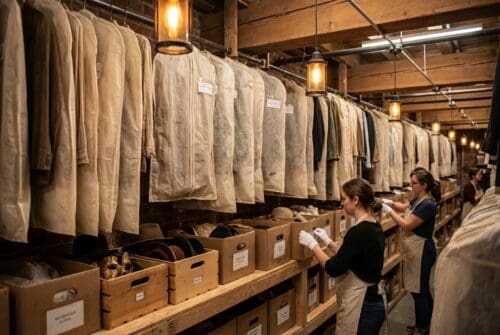
Of all the spaces in a performing arts building, the costume loft and prop storage room carry the highest risk per square foot.
These areas house an unguarded pantry of materials like wool, silk, cotton batting, natural leather, and animal-hair wigs.
In fact, webbing clothes moths act as a serious pest in preservation settings and can cause major economic loss.
Rodents frequently seek out these natural-fiber costumes for nesting material while waiting out the winter.
The foundation of effective backstage cleanliness starts with proper, proactive storage. Protecting historic garments requires housing them in sealed, breathable bags rather than leaving them openly on racks.
Experts note that these insects can significantly damage fiber products such as wool rugs and clothing.
Props should also be elevated on shelving rather than stacked directly on concrete subfloors that retain moisture.
Shared spaces like dressing rooms and green rooms demand similar attention. As casts rotate through these tight spaces, food debris and open beverages accumulate invisibly behind the scenes.
Implementing simple cleanliness protocols drastically reduces pest pressure throughout the rehearsal process.
Furthermore, touring productions pass through multiple facilities, making a quick visual inspection during load-in an essential preventive measure.
| Pro Tip: Store costumes in sealed, breathable bags and elevate props off the floor. This creates a physical barrier against rodents and fabric pests while protecting the integrity of delicate natural fibers and historic materials. |
2. Keep Concession Areas Clean Without Any Disruption
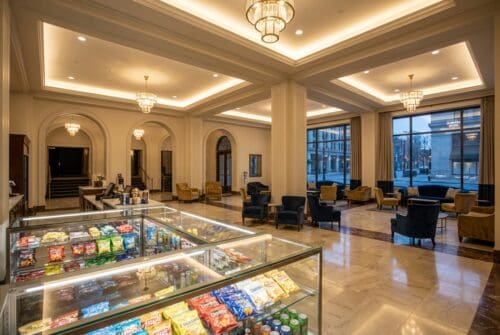
The audience experience begins the moment patrons walk through the venue front doors. A pest sighting in the lobby creates a lasting negative impression that undermines the professionalism of the production.
Maintaining these spaces requires specific protocols tailored to high-traffic hospitality areas. Concession counters and intermission gathering spaces generate organic residue that settles inside floor-level cabinetry.
Standard surface wiping is completely insufficient for these bustling environments. End-of-night routines must include sweeping beneath concession equipment and disposing of all food waste in fully sealed receptacles.
The CDC estimates that roughly 48 million people get sick from foodborne illnesses annually, highlighting the importance of strict sanitation. Cleaning below the visible countertop line prevents pests from establishing footholds near food service areas.
Paper materials also need dedicated management to avoid becoming nesting grounds. Programs, ticketing stock, and bulk paper napkins offer attractive harborage and should be kept in enclosed cabinetry.
Additionally, moisture management plays a crucial role in mitigating activity around ice machines and bar sinks. Routine checks on drainage function help eliminate the damp conditions that attract unwanted insects.
| Important: Standard surface cleaning is insufficient for theater concessions. Food residue often accumulates in hidden gaps beneath heavy equipment. Deep cleaning below the visible counter line is essential to prevent attracting persistent ant colonies. |
3. Manage Seasonal Vulnerabilities In Historic Theater Buildings
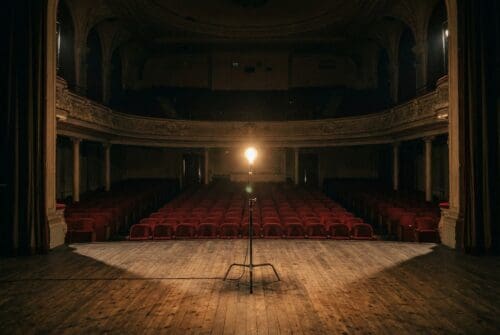
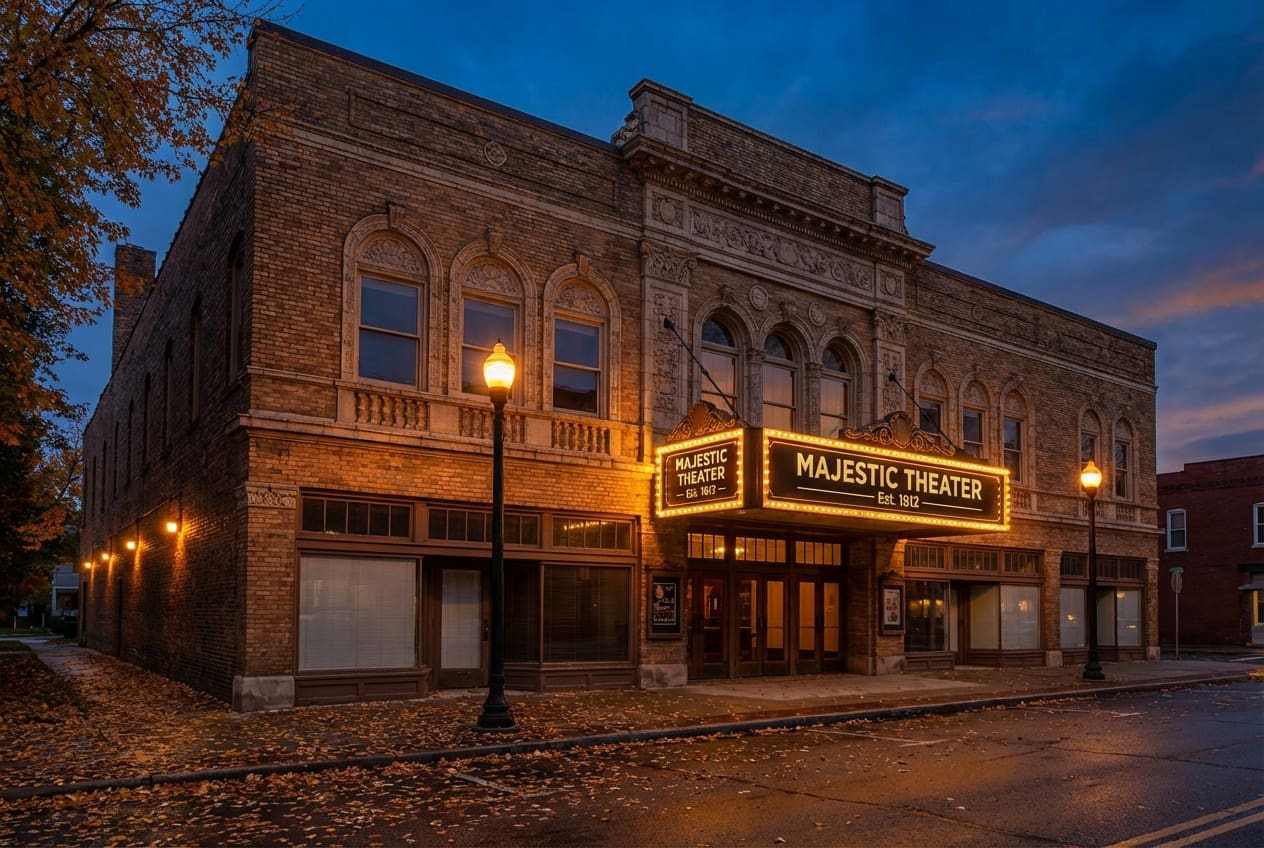
Older theaters possess undeniable charm, but their aging subfloors and settled foundations create numerous entry points. Modern construction typically avoids the foundational gaps commonly found in vintage brick masonry.
Understanding these seasonal shifts is one of the most practical investments a historic venue can make. In regions like the Pacific Northwest, spring pushes ant colonies toward drier interior environments.
Late summer brings peak wasp populations, posing challenges for venues with outdoor entry canopies or landscaped loading docks.
By fall, dropping temperatures drive rodents to seek warmth in original steam heating systems and unrenovated mechanical rooms. To combat this, theater venue maintenance cycles should align directly with these predictable seasonal rhythms.
Pre-season walkthroughs and mid-run monitoring checks must become standard operating procedures.
4. Choose Discreet Treatment Plans For Active Schedules
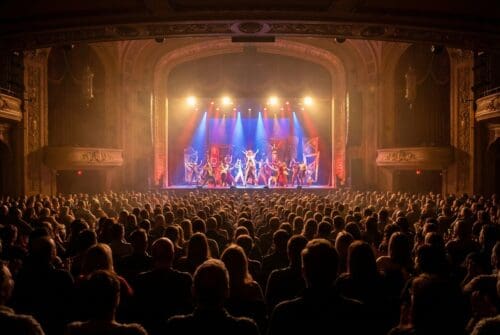
Performing arts facilities do not operate on standard daytime business hours. Late-night technical rehearsals and brief dark periods demand a highly specialized approach to building maintenance.
Effective treatment in an active theater environment must be scheduled precisely around these narrow windows. Facility managers should utilize low-odor, fast-drying applications to ensure absolute safety.
Actors, musicians, and crew members work in enclosed spaces with limited ventilation. This makes lingering aromatic treatments entirely unviable for active performance spaces.
Applications must be completely non-disruptive to sensitive materials like musical instruments and paper-based props. Additionally, products must remain unequivocally safe for public-facing spaces where families gather.
Proactive coordination regarding the venue production calendar ensures vital services occur seamlessly behind the scenes.
Selecting treatments that accommodate the unique structural needs of performing arts facilities prevents unexpected closures.
This level of planning guarantees that the show goes on without any unscheduled interruptions. Ultimately, discreet management preserves the integrity of both the production and the building.
The Bottom Line
The quality that distinguishes an exceptional performing arts venue is the accumulation of invisible disciplines. When preventive care is executed masterfully, it disappears entirely into the background of the event.
The concession counter is perfectly immaculate, the costume loft remains undisturbed, and the lobby feels inherently welcoming. Venue stewardship operates as a deeply collaborative craft between all departments.
The facilities team, house management staff, and technical crew serve as guardians of the audience experience. Treating facility maintenance as an ongoing discipline preserves the true magic of live performance.
When every unseen element is properly tended, the story on stage holds the room completely. This operational excellence ensures patrons leave talking only about the brilliant performance they witnessed.
| Author Profile: Bug Zapper Pest Control is the leading pest control provider of comprehensive pest management solutions for residential and commercial customers throughout Oregon. |
