


Areas We Cover
Categories

4 STAGE PRESENCE RITUALS
4 Interesting Rituals For
Effortless Stage Presence
The top four rituals for effortless stage presence are engaging in breathwork, taking deliberate quiet moments, utilizing sensory cues, and relying on discreet routine tools.
Establishing these intentional and repeatable habits directly calms the nervous system. This builds reliable focus before any live performance begins.
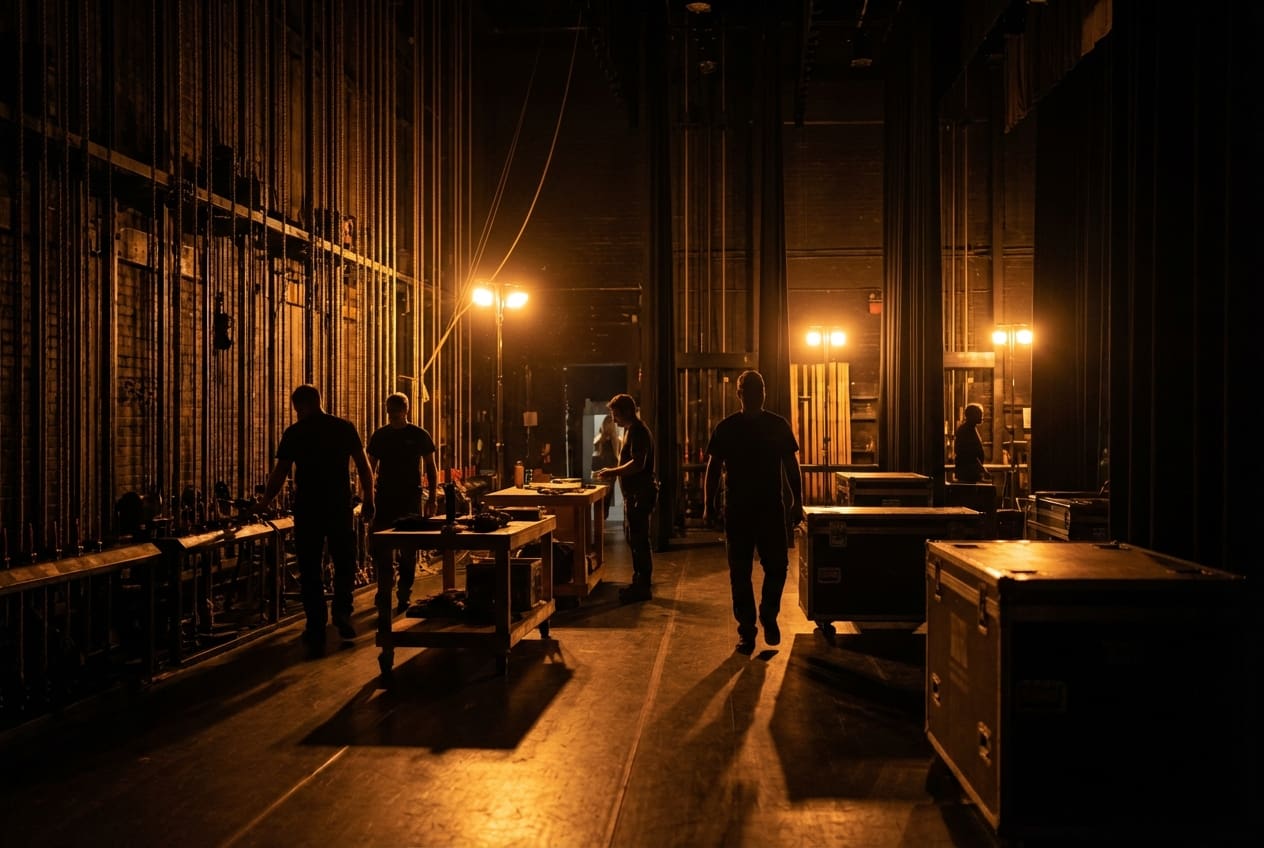
The house is still filling. You can hear a low and rolling murmur filtering through the brick and plaster.
This is the particular ambient sound of three hundred people finding their seats and settling in. Backstage, the worklight casts everything in amber.
Stagehands move in practiced near silence. They adjust a wing flat and check a prop table with a penlight.
Someone radios the stage manager for an update. The reply crackles softly and quickly disappears into the rafters.
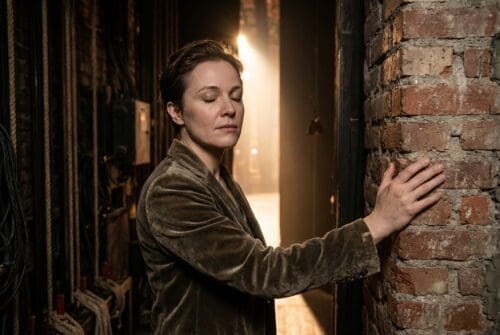
In the wings, a performer stands completely still. Her lips are moving deliberately to trace a passage of text she has spoken two hundred times before.
These quiet and specific habits take many forms to build performer focus. Examples include structured physical warmups, listening to music, or using nicotine pouches from Sesh+ Products for adult performers.
Focus tools help keep the artist grounded in the present moment. One hand is pressed flat against the cool brick wall behind her.
Her eyes close for exactly three seconds and open again completely clear. This is what live performance preparation actually looks like from the inside.
The twenty minutes before a show are quiet and almost invisible. This is where the real work of stage presence gets done.
What separates a commanding performer from one who arrives at the stage rattled is rarely talent alone.
More often, it is a set of intentional pre-show rituals repeated until they become second nature.
1. Breathwork and Vocal Grounding
Breath is the most immediate instrument for a performer. Unlike every other tool in the kit, it is always present and highly accessible.
Before a line is spoken or a note is sung, breath determines the quality of what follows. Its relationship to the nervous system is direct and physiological.
Slow and diaphragmatic breathing activates the body to calm down. Deep breathing is scientifically proven to activate your parasympathetic nervous system, which manages your relaxation response.
Bringing calm to both body and mind, this process directly interrupts the cortisol spiral that stage nerves reliably produce.
In most serious theater training, the foundational pattern is quite simple. It involves a four-count inhale through the nose, a hold, and an eight-count exhale through a partially open mouth.
The extended exhale is the operative element. It signals the body to release and becomes a reliable internal reset.
Consider a baritone in a regional opera repertory company managing two performances in a single weekend.
The matinée ends at four-thirty and the evening call is at six. In that window, he does not rest in the conventional sense. Instead, he focuses entirely on his breath.
He completes fifteen minutes of structured diaphragmatic work while seated without conversation or distraction. By the time he vocalizes again, his resonance has recalibrated.
His pace has settled enough to approach the evening with genuine freshness. Vocal grounding is a distinct practice from a standard warmup.
Where a warmup scales range and projection, grounding reconnects the voice to the body. It is the act of speaking or humming at a natural register before projection is required.
Touring productions increasingly build this into official pre-show call schedules. Performer focus requires breath, intention, and repetition rather than elaborate conditions.
| Pro Tip: Master the 4-8 breathing technique to manually reset your nervous system. By extending your exhale, you flip the physiological switch from stage-fright anxiety to calm, focused readiness before your first entrance. |
2. Deliberate Quiet Moments
Stillness is not something that happens to professional performers by accident. It is something they actively choose.
The backstage environment of a live production operates at a specific frequency of controlled chaos. Crew radios crackle while stage managers call five-minute warnings.
A quick-change artist is already in position. Someone is adjusting a wig two feet from where you are trying to think.
The sensory density of the professional backstage environment is relentless by its very nature. This is exactly why the deliberate quiet moment has become a universal theater habit.
It is not passive waiting or scrolling on a phone in a corner. It is an active and chosen quieting of external stimulus.
This threshold ritual marks the boundary between the offstage self and the performing self. Intentional quiet creates space for mental rehearsal and sharpens sensory readiness.
It prepares a performer to step into the high-stimulation environment of a stage light. What follows is not calm in the sleepy sense.
It is a heightened and directed alertness that only exists on the other side of stillness. A cabaret performer who plays double-show Fridays at a midsize venue keeps a standing ritual.
She spends five minutes alone in a greenroom corner before her second entrance call. She uses no phone and engages in no conversation.
She describes it as a reliable way to separate what the afternoon requires from what the evening demands. In ensemble theater traditions, this practice sometimes expands outward.
Company-wide silence is held collectively for two or three minutes before the first entrance. This shared practice coerces the attention of the entire ensemble. It is a backstage routine with measurable output like presence and clarity.
| Key Insight: Professional stillness is an active choice, not a passive state. Creating a boundary of silence between your offstage self and your character ensures you enter the spotlight with heightened, directed alertness. |
3. Sensory Cues and Small Anchors

There is a particular mug that a stage actor carries to the wings every single night. It holds warm herbal tea with a few drops of apple cider vinegar.
He uses the same proportions and the same temperature before the stage manager calls places. He has done this for eleven months straight.
He will tell you the tea is for his voice. What he may not articulate as clearly is that the tea is also for his mind.
This is sensory anchoring in practice. It is one of the most practically transferable tools in the professional performer toolkit.
When a specific sensory experience is paired consistently with a particular mental state, the brain encodes that pairing.
Over time, the sensory cue becomes the trigger. The smell of a specific hand cream or the texture of a rehearsal prop develops associative memory. This memory becomes strong enough to cue focus on demand.
Long-running productions rely heavily on this psychological principle. Performers who maintain consistent sensory pre-show rituals preserve performance quality reliably.
Their routines do not shift wildly from night to night. The theater habits that seem most idiosyncratic often function as technically sound anchors.
Taste-based cues occupy a specific and practical niche here. Warm herbal teas soften the vocal tract and signal the body toward readiness.
Particular mints or throat lozenges become part of the muscle memory of performance. These are small, sensory, and carefully chosen instruments.
4. Discreet Routine Tools
Not every pre-show ritual is visible or dramatic. Some of the most functional habits are simply the low-profile tools that experienced performers have integrated into their routines.
These understated choices maintain composure across long rehearsal blocks and double-show days. They also help during the restless hours before a cast gathering dissolves into a late night.
Professionalism in live performance settings carries a very specific demand. Personal habits must remain completely unobtrusive to others.
You cannot use anything that affects colleagues or interferes with costume integrity. Nothing should draw attention in the wings or create a sensory intrusion in shared space.
In a standard ten-hour technical rehearsal day, this standard applies across every break and every call.
This is the context in which practical choices become genuinely professional ones. Adult professionals must find low-profile options that reflect this no-disruption ethic.
Even basic tools like hydration bladders and silent timers must meet these standards.
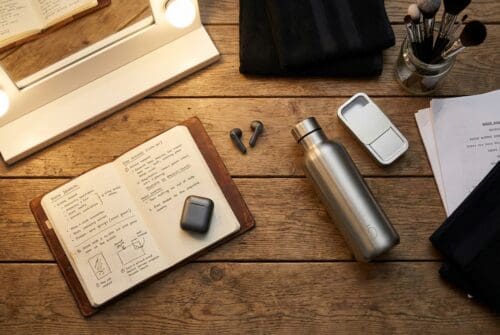
Intentional routine tools matter because they are chosen deliberately. A journal kept in a kit bag and written in before every call is highly effective.
A specific instrumental playlist heard through a single earbud during a costume change provides immense focus. A consistent hydration sequence maintains vocal readiness through a heavy weekend.
None of these choices read as particularly theatrical. All of them function as performer-focused tools in the most practical sense.
They allow the artist to stay grounded without pulling focus from the ensemble. Discreet tools are the silent partners of a successful live performance.
| Important: Backstage professionalism requires choices that don’t disrupt the ensemble. Whether using a journal or discreet nicotine pouches for adults, ensure your routine tools are odorless, quiet, and respectful of the shared space. |
A Closing Reflection
The most effective stage presence is not the product of exceptional talent arriving fully formed. It is the product of intentional repetition and careful planning.
Habits are chosen, practiced, and refined until they operate below the level of conscious effort. Each of the rituals described here serves the same underlying function.
They build a reliable internal environment in the face of an inherently unpredictable one. Live performance does not offer perfectly controlled conditions.
It offers exactly one performance with one specific audience in one room. Experienced professionals use routines to create consistency regardless of the external variables.
Performers should closely evaluate their own habits. Think about what already exists in your routine right now.
Identify what is accidental and what is deliberately chosen. Decide what might be worth formalizing into something structured and repeatable.
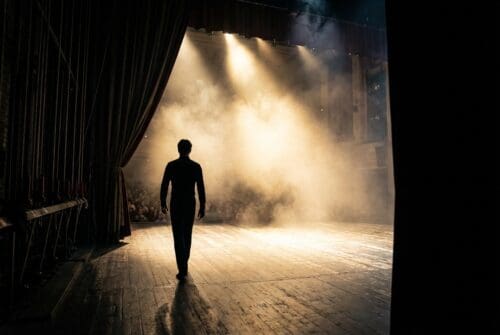
What audiences ultimately perceive as effortless presence is constructed with immense care. It is built quietly in the dim corridor between the dressing room and the wings.
The pre-show rituals that shape a performance are rarely visible from the house. They are always there and already in motion before the curtain moves.
| Author Profile: Sesh+ Products is a premium nicotine pouch manufacturer specializing in tobacco-free oral nicotine delivery systems designed for adult consumers aged 21 and older. |
