


Areas We Cover
Categories

MINECRAFT FARMS: WHAT ACTUALLY WORKS AND WHAT’S A WASTE OF TIME
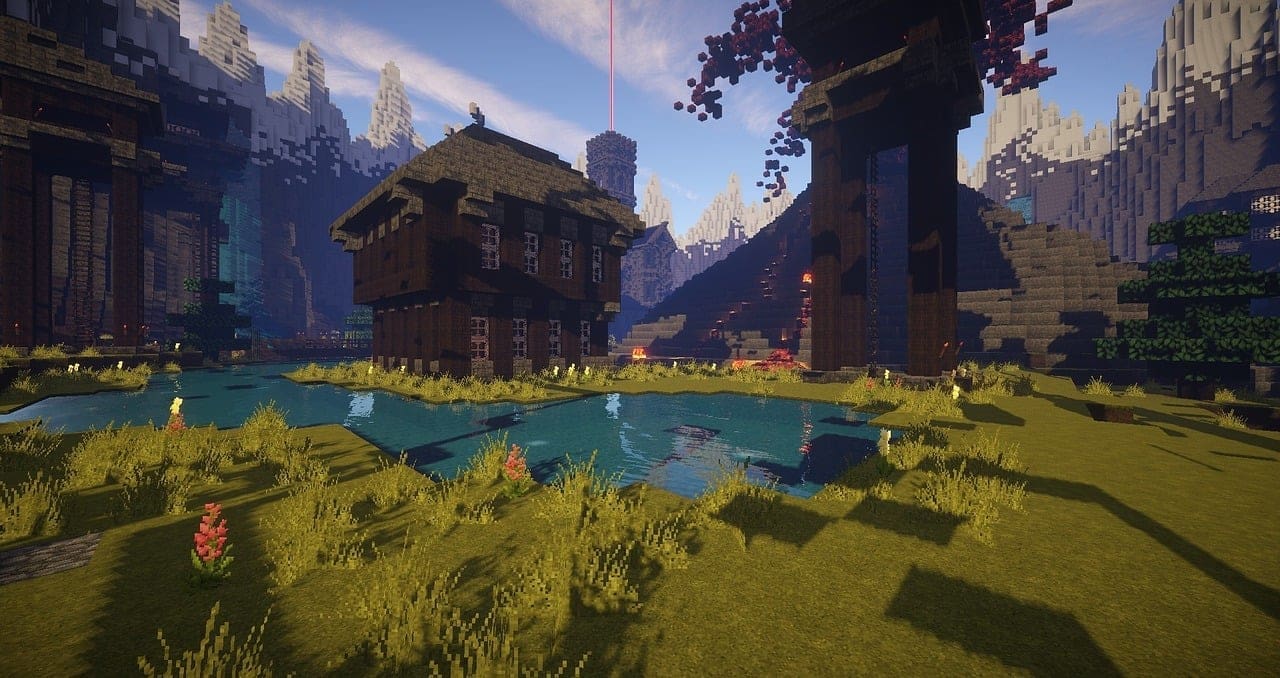
So, if you’ve played Minecraft for a while, you already know this — manual grinding gets old fast. You mine, you farm, you collect stuff… and then you do it again.
And yeah, eventually you start looking at minecraft farms. Not because you want something fancy, but because doing everything manually gets old.
Why People Even Build Farms
Here’s the idea. You set it up one time, and it just keeps producing resources on its own.
Sounds great, right. But not every farm is worth building.
Some take forever to set up. Others barely give anything useful. So yeah, not all farms are equal.
What Actually Makes Sense to Build
At the beginning, simpler is better. Don’t jump into advanced builds right away.
Basic stuff works best:
- food farms
- simple mob farms
- sugar cane or bamboo setups
These give you steady resources without too much effort.
That’s pretty much why they’re called the best ecraft farmsmin early on. Not amazing, they just do the job without stressing you out.
When You Start Going Automatic
After a while, you want more. That’s when you start looking into minecraft auto farms.
And yeah, this is where things get more interesting.
Now you’re using redstone, timing, maybe even villagers. The goal is simple — make the farm run without you standing there.
For example, a basic auto sugar cane farm. So yeah, you plant it, add pistons, and it runs automatically. But it’s not always perfect.
Things Just Don’t Work Sometimes
You build something from a video. Follow every step. Place every block.
And then… it doesn’t work.
Maybe the timing is off. Maybe your version is different. Maybe the design just isn’t stable.
So what happened is simple — not every build works in every world.
And yeah, it gets on your nerves.
You Go Bigger, It Gets Messy
Once you go deeper, you start building bigger systems. Iron farms, XP farms, mob grinders.
That’s where minecraft automatic farms come in.
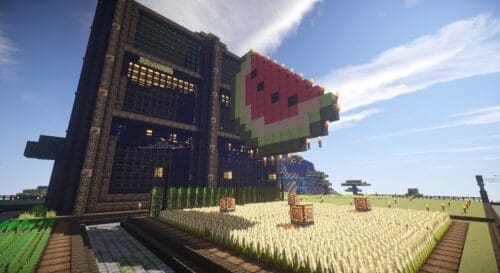
They look cool. They produce a lot. But they also break more often.
You add one thing, and it works. Add another, and something stops working.
Now mobs don’t spawn right. Or villagers don’t link correctly. Or redstone just bugs out.
So yeah, more complexity means more problems.
Playing With Friends Changes Everything
Solo worlds are easy. You control everything.
But multiplayer is different.
Now everyone builds something. Everyone changes the world. And suddenly your farm stops working because someone moved villagers or changed spawn areas.
That’s usually when people start thinking about best hosting for modded minecraft, because keeping everything stable across players gets annoying fast.
What Actually Helps
Here’s what I found.
Start small. Test everything before going big.
Don’t build huge systems right away. Try simple versions first, see if they work in your world, then expand.
Also, don’t trust every tutorial blindly. Some of them look good but don’t work in practice.
So yeah, test things yourself.
A Real Example
Let’s say you build a basic mob farm.
At first, it works. You get drops, XP, everything feels fine.
Then you decide to improve it. Add more layers, change spawn areas.
Now suddenly spawn rates drop. Or mobs stop falling correctly.
So what happened is simple — the system got too complex, and something broke.
You remove a few changes, and it works again. That’s pretty much how it goes.
Final Thought
Farms in Minecraft are useful, no question. They save time and make the game easier.
But not every farm is worth building. And not every design works the way you expect.
So yeah, keep it simple. Build what you actually need.
And if something breaks, don’t overthink it. Just go step by step and fix it.
