


Areas We Cover
Categories

WHAT AUDIENCES DON’T SEE: The Operational Side of Stage and Film Production

To most audiences, stage and film productions appear seamless, actors deliver performances, scenes transition smoothly, and everything feels carefully orchestrated. What remains largely invisible, however, is the extensive operational structure that makes this possible. Behind every performance is a network of planning, logistics, coordination, and technical execution that ensures everything runs on time and within budget.
Production is not just creative, it is deeply operational. From the earliest planning stages to the final execution, teams work across multiple departments to manage resources, equipment, and people. Film production alone involves structured phases such as development, pre-production, production, post-production, and distribution, each requiring precise coordination and oversight. Understanding these layers reveals that what audiences experience is only the final output of a much larger system built on efficiency, timing, and problem-solving.
Pre-Production: Where Logistics Begin
Before a single scene is filmed or a stage is lit, production begins with extensive preparation. Pre-production is where budgets are finalized, locations are secured, crews are hired, and schedules are created. This phase determines how smoothly everything will run later, making it one of the most critical parts of the entire process.
During this stage, production teams coordinate everything from transportation and equipment rentals to set construction and wardrobe design. Even small miscalculations can create delays once filming or performances begin. Planning must account for timing, availability, and technical requirements, ensuring that all moving parts align before execution.
This phase also defines roles and responsibilities. Each department, lighting, sound, set design, and logistics, must understand its function within the larger system. Without this clarity, production becomes fragmented, increasing the likelihood of inefficiencies and disruptions.
The Complexity of On-Set Operations
When production begins, the level of coordination intensifies. Film sets and live stages operate on tightly controlled schedules, where each minute has a defined purpose. Daily call sheets dictate when crew members arrive, what scenes are filmed, and how resources are allocated throughout the day.
Set operations involve constant communication between departments. Lighting teams adjust conditions for each shot, sound engineers manage audio clarity, and stagehands move props and equipment with precision. Stagehands, in particular, play a critical role in setting up and maintaining scenery, lighting, and technical systems throughout the production.
The challenge lies in maintaining flow. Any delay in one area can impact the entire schedule, making coordination essential. Production teams must continuously adapt to changes while keeping everything aligned with the original plan.
The Role of Logistics in Keeping Productions Moving
Logistics is one of the most overlooked aspects of production, yet it is fundamental to efficiency. Moving equipment, coordinating travel, and managing resources across multiple locations require detailed planning and execution. Without effective logistics, even well-designed productions can face costly delays.
Behind the scenes, teams manage the transportation of cameras, lighting rigs, props, and technical equipment. This process must be carefully timed to ensure that everything arrives exactly when needed. Efficient logistics minimize downtime and prevent disruptions that could affect both budget and performance quality.
Logistical planning also extends to crew coordination. Scheduling shifts, managing accommodations, and ensuring that teams are in the right place at the right time are all essential for maintaining operational efficiency.
Equipment Maintenance and Operational Support
Advanced equipment is central to both stage and film production, but it requires consistent maintenance to perform reliably. Cameras, lighting systems, sound equipment, and staging structures must be kept in optimal condition to avoid technical issues during critical moments.
Cleaning and upkeep play a major role in this process. Production environments often involve dust, debris, and heavy use, which can affect equipment performance over time. Maintaining surfaces and machinery ensures consistent functionality and reduces the risk of failure.
Operational support tools available through hotsysouthtexas.com reflect how industrial-grade cleaning and maintenance solutions can support demanding environments where reliability is essential. In production settings, where timing is critical, even minor equipment issues can cause delays, making preventative maintenance a key part of overall efficiency.
The Technical Backbone: Stagecraft and Coordination
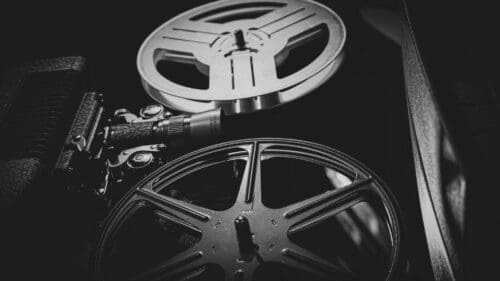
Stagecraft represents the technical foundation of live and filmed productions. It includes everything from set construction and lighting design to sound engineering and prop management. These elements work together to bring the creative vision to life in a controlled and repeatable way.
Each technical component must be precisely calibrated. Lighting needs to match the mood of a scene, sound must remain clear across different environments, and set pieces must function safely and efficiently. Stage management plays a central role in coordinating these elements, ensuring that all departments operate in sync.
This level of coordination requires both technical expertise and organizational skill. Teams must anticipate challenges, adapt to changes, and maintain consistency across multiple performances or shooting days.
Cleanliness, Safety, and Workflow Efficiency
Clean and organized environments are essential for maintaining efficiency in production settings. Cluttered or poorly maintained spaces can slow down operations, increase safety risks, and interfere with technical performance.
Industrial cleaning equipment, such as solutions associated with https://www.sweepscrub.com/, highlights how maintaining large working environments supports smoother workflows. In production spaces, where cables, equipment, and set pieces are constantly in use, keeping floors and surfaces clear reduces hazards and improves mobility.
Safety is closely tied to efficiency. When environments are well-maintained, crews can move quickly and confidently, reducing the likelihood of accidents and delays. This creates a more stable production process and supports consistent performance quality.
Post-Production: The Final Layer of Operations
Even after filming or performances conclude, operational work continues. Post-production involves editing, sound mixing, visual effects, and final adjustments that shape the finished product. This stage requires its own level of coordination, with teams working to refine and assemble raw material into a cohesive final output.
Editing timelines, technical workflows, and creative decisions must all align to meet deadlines. The process is often iterative, requiring multiple revisions before reaching the final version. Despite being less visible, post-production is just as complex as the stages that come before it.
This phase also connects production to distribution, ensuring that the final product is prepared for release across different platforms. It represents the last step in a long chain of operational processes that began well before the first scene was captured.
The Invisible System Behind Every Performance
What audiences see on stage or screen is the result of an intricate system built on coordination, logistics, and technical expertise. Every element, from pre-production planning to post-production refinement, depends on operational efficiency and collaboration across multiple teams.
The success of any production is not just measured by its creative impact but by how effectively these systems work together. Behind every seamless performance is a complex network of decisions, processes, and support structures that remain largely unseen.
Recognizing this hidden layer reveals a different perspective on entertainment. It shows that beyond the performance lies a carefully managed operation where precision, timing, and adaptability are just as important as creativity itself.
