


Areas We Cover
Categories

WHAT HAPPENS BEHIND THE SCENES TO SUPPORT ONSTAGE PERFORMANCE
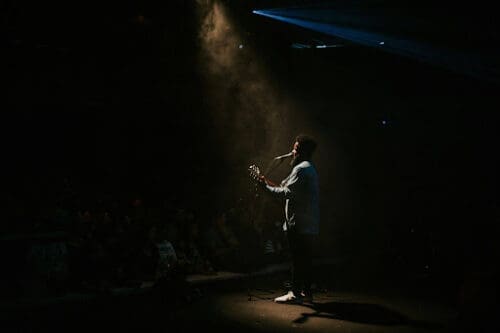
What audiences see on stage, whether in music, theater, or live events, is only a fraction of the work required to deliver a polished performance. Behind every seamless show is a structured system of preparation, recovery, coordination, and discipline. Performers rely not only on talent, but on carefully managed routines that support both physical and mental readiness.
From rehearsals to recovery strategies, the unseen work determines how consistently performers can deliver at a high level. These behind-the-scenes systems are what allow artists to perform night after night without decline in quality.
The Physical Demands of Performance
On-stage performance is physically demanding, even in disciplines that may not appear athletic at first glance. Musicians, dancers, and performers often spend hours standing, moving, and maintaining controlled posture under intense lighting and pressure.
These demands can lead to muscle fatigue, tension, and strain. Research shows that physical stress accumulates quickly when recovery is limited, making structured recovery strategies essential for maintaining performance quality.
Without proper recovery, fatigue can affect timing, coordination, and endurance, key elements that audiences rarely notice unless something goes wrong.
The Role of Rehearsal and Repetition
Rehearsals are where performances are built. Through repetition, performers refine timing, coordination, and transitions until movements and actions become automatic.
This process reduces cognitive load during live performance. Instead of thinking about each step, performers rely on muscle memory, allowing them to focus on expression and connection with the audience.
Behind the scenes, rehearsal schedules are carefully structured to balance improvement with recovery, ensuring that performers can continue progressing without burnout.
Managing Energy and Recovery Between Performances
One of the biggest challenges for performers is maintaining energy across multiple shows. Unlike one-time events, many performers work on tight schedules that require consistent output.
Recovery strategies are essential in this context. Heat-based recovery methods, for example, are commonly used to support muscle relaxation and reduce soreness. Sauna use has been shown to increase circulation and help remove metabolic waste from muscles, supporting faster recovery after physical exertion.
These practices help performers reset between shows, allowing them to maintain consistency even under demanding schedules.
Understanding Heat-Based Recovery Methods
Heat therapy has become an important part of recovery routines across performance disciplines. Both traditional and infrared methods are used, each offering different benefits depending on the goal.
For example, resources like infrared vs traditional sauna highlight how these two approaches differ. Infrared heat penetrates deeper into muscle tissue, which may help reduce soreness and support recovery at a cellular level . Traditional saunas, on the other hand, use higher ambient temperatures to promote intense sweating and cardiovascular stimulation .
This distinction allows performers to choose recovery methods that align with their needs, whether that’s deeper muscle recovery or overall relaxation.
Supporting Mental Focus and Performance Readiness

Performance is not just physical, it requires intense mental focus. Artists must stay present, manage pressure, and maintain concentration throughout each show.
Behind the scenes, routines are often designed to support this mental state. Quiet time, controlled breathing, and structured pre-performance habits help performers transition into a focused mindset.
Heat exposure also plays a role here. Sauna use can activate the body’s relaxation response, helping shift the nervous system into a recovery state that supports both mental clarity and reduced stress.
This mental preparation is essential for delivering consistent, high-quality performances.
Coordination Between Teams and Systems
A successful performance depends on more than just the performer. Lighting, sound, stage management, and technical crews all work together to create a seamless experience.
Behind the scenes, coordination is highly structured. Timing cues, communication systems, and rehearsed protocols ensure that every element aligns during the performance.
This level of organization reduces uncertainty and allows performers to focus entirely on their role, knowing that the supporting systems are functioning as expected.
Preventing Burnout Through Structured Routines
Sustaining performance over time requires careful management of workload and recovery. Without structure, the physical and mental demands of performing can lead to burnout.
This is why routines are so important. By balancing rehearsal, performance, and recovery, performers create a sustainable system that supports long-term success.
Research on heat-based recovery also suggests that consistent use can improve recovery speed and help maintain performance levels over time .
Building Consistency Behind the Spotlight
The most important aspect of behind-the-scenes work is consistency. Audiences expect the same level of performance every time, regardless of fatigue or external factors.
This consistency is achieved through structured preparation, effective recovery, and disciplined routines. Each element, rehearsal, recovery, mental preparation, and team coordination, works together to support the final result.
In the end, what happens behind the scenes is what makes on-stage performance possible. It is a system built on repetition, recovery, and precision, ensuring that every performance meets the expectations of both the performer and the audience.