Areas We Cover
Categories

FROM PRETTY WOMAN TO MODERN DATING APPS: HOW LUXURY DATING BECAME PART OF POP CULTURE
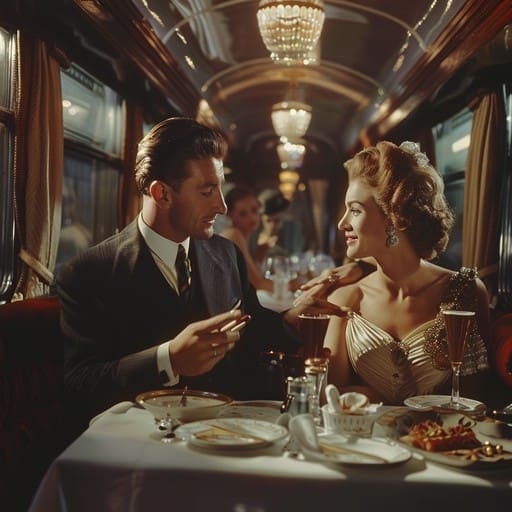
Luxury dating has always had a place in pop culture. Long before dating apps and niche relationship platforms became normal, films and television were already exploring relationships shaped by money, status, ambition, beauty, and lifestyle.
Sometimes these stories were presented as romance. Sometimes they were framed as scandal. Other times, they became social commentary on class, power, and desire. From Pretty Woman to modern dating apps, the idea of luxury dating has moved from the screen into everyday conversation.
Today, audiences are more familiar with terms like sugar dating, age-gap romance, lifestyle dating, and mutually beneficial relationships. These ideas are no longer hidden in the background of movies. They are part of how people talk about modern romance, independence, and personal choice.
Why Pop Culture Has Always Been Fascinated by Wealth and Romance
Romance stories often become more compelling when money, status, or social class is involved. A relationship between two people from very different worlds gives writers instant tension. It raises questions about attraction, control, opportunity, and whether love can exist when one person has far more power or privilege than the other.
That is one reason Pretty Woman became such a defining film. It was not just a romance between Vivian and Edward. It was a fantasy about access, transformation, luxury, and what happens when two people from completely different social realities meet.
The same theme appears in many other films and shows. Audiences are drawn to stories where romance opens the door to a different lifestyle. Designer clothes, luxury hotels, expensive dinners, private spaces, and emotional escape all become part of the fantasy.
This is also why people are increasingly curious about what sugar daddy mean in modern dating culture. The phrase is often used casually in films, social media, and online conversations, but the real meaning is more layered than the stereotype.
From Pretty Woman to Modern Dating Apps
Pretty Woman helped shape one of the most recognisable versions of luxury dating in mainstream entertainment. The film presented a glamorous, highly stylised version of a relationship built around wealth, attraction, and emotional transformation.
Of course, real relationships are not Hollywood scripts. But pop culture has a way of turning complicated social dynamics into stories people can easily understand. In the 1990s, luxury dating was often shown through chance encounters, wealthy businessmen, and dramatic lifestyle changes. Today, those same themes appear through dating apps, social platforms, influencer culture, and private online communities.
Modern dating apps have made niche relationship preferences easier to explore. People can be more direct about what they want, whether that is companionship, mentorship, lifestyle compatibility, travel, financial support, or a traditional romantic connection.
The shift is not just technological. It is cultural. People are more open about discussing dating expectations, lifestyle goals, and boundaries. What once felt like a hidden arrangement is now often talked about through the language of choice and transparency.
Why Age-Gap Romance Became a Streaming Favourite
Age-gap romance has become more visible in streaming-era entertainment. Films and shows now explore relationships where partners are at different life stages, with different levels of experience, money, or emotional maturity.
This is one reason age-gap romance films continue to attract attention. These stories allow filmmakers to explore desire, judgment, public scrutiny, and power dynamics through romantic plots. The genre works because it creates natural tension without needing an overly complicated setup.
That same tension is part of why luxury dating remains interesting to audiences. It is not only about money. It is about contrast. One person may offer stability, access, or experience. The other may bring youth, beauty, energy, or emotional connection. Whether the story is romantic, dramatic, or controversial, the imbalance creates a conversation.
In real life, that conversation often becomes more practical. What are both people expecting? Are boundaries clear? Is the relationship honest? Is the arrangement respectful? These questions matter far more than the glossy version shown on screen.
The Role of Fashion, Hotels, and Lifestyle Fantasy
Luxury dating in pop culture is rarely shown through dialogue alone. It is shown through visual details. A private suite. A black-tie event. A designer dress. A candlelit dinner. A city skyline. A weekend away.
These images help sell the fantasy. They make the relationship feel aspirational, even when the story itself is complicated.
This is why luxury dating connects so strongly with cinema and television. Screen romance is visual by nature. The audience does not just watch two people fall for each other. They watch the world that surrounds them.
In Pretty Woman, fashion becomes part of Vivian’s transformation. In modern streaming dramas, luxury apartments, members-only clubs, and exclusive destinations often play the same role. They are not just settings. They symbolise access.
That visual appeal has carried over into modern dating culture. Social media has made lifestyle part of personal branding. People do not only date privately anymore. They often present a version of their lifestyle online, whether through travel photos, restaurant posts, fashion, or curated profiles. Luxury dating fits naturally into that world because it blends romance with image.
How Dating Apps Made Niche Relationships More Visible
Dating apps changed the way people meet, but they also changed how people describe what they want. Instead of relying only on chance, users can now filter by lifestyle, interests, age, location, relationship goals, and personal preferences.
This has made niche dating more visible. People who may once have felt uncomfortable discussing certain relationship dynamics can now find platforms where those expectations are clearer from the beginning.
Luxury dating is one example. Some people are looking for traditional romance with someone successful. Others want mentorship, travel, companionship, or financial support. Some want a long-term relationship, while others prefer something more casual and clearly defined.
The important shift is that these conversations are happening more openly. While pop culture often exaggerates the drama, dating platforms tend to focus more on expectations, communication, and compatibility.
That does not mean every experience is simple. It means the language around dating has changed. People are more likely to talk about what they want upfront, which can reduce confusion when both sides are honest.
Why the Sugar Dating Trope Keeps Appearing on Screen
The sugar dating trope works in entertainment because it combines several themes audiences already find compelling: attraction, money, age, power, ambition, and emotional risk.
It can be used for comedy, drama, romance, or critique. Sometimes the older wealthy figure is shown as charming and generous. Sometimes they are controlling. Sometimes the younger partner is portrayed as ambitious and strategic. Other times, they are shown searching for safety, excitement, or reinvention.
The trope keeps appearing because it is flexible. It can tell a story about love, class, survival, desire, or self-discovery.
But modern audiences are also more critical. They are more likely to question whether the relationship is balanced, whether both people have agency, and whether the story is romanticising an unhealthy dynamic.
That is a good thing. It means luxury dating is no longer accepted only as fantasy. It is being discussed with more nuance.
What Pop Culture Gets Right About Luxury Dating
Pop culture does get some things right. It understands that attraction is not always simple. People are often drawn to confidence, experience, generosity, beauty, ambition, and lifestyle as much as personality.
It also shows that relationships are shaped by social context. Money can affect where people go, how they spend time together, and what choices they feel they have. Status can change how outsiders judge a relationship. Age can influence expectations and emotional needs.
These are real themes, even when the storytelling is exaggerated.
Films and shows also capture the appeal of reinvention. Many luxury dating stories are really about someone stepping into a different version of themselves. They are not only dating another person. They are entering a new world.
What Pop Culture Often Gets Wrong
Where pop culture often falls short is in making luxury dating look too effortless. Films can compress trust, boundaries, and emotional complexity into a few glamorous scenes.
Real relationships require clearer communication. If money, support, lifestyle expectations, or age differences are involved, both people need to understand what the relationship actually means.
Pop culture also tends to rely on extremes. The wealthy person is either a dream partner or a villain. The younger partner is either innocent or manipulative. Real life is rarely that simple.
Modern dating conversations are more nuanced. People want to understand consent, emotional safety, independence, and transparency. Those details do not always make for dramatic cinema, but they matter in real relationships.
Why Luxury Dating Feels More Normal Today
Luxury dating feels more visible today because culture has changed. People are more comfortable discussing money. Influencer culture has made lifestyle part of identity. Dating apps have made preferences easier to state. Social media has normalised curated versions of romance, travel, and status.
There is also less shame around unconventional relationships than there used to be. While judgment still exists, many people now accept that adults may define their relationships differently.
That does not mean every form of luxury dating is healthy or equal. It simply means people are more willing to discuss it openly.
Pop culture helped start that conversation. Dating apps made it easier to act on it. Together, they turned luxury dating from a film fantasy into a recognisable part of modern relationship culture.
Final Thoughts
From Pretty Woman to modern dating apps, luxury dating has become part of the way society talks about romance, money, and personal choice. What once appeared mainly as a Hollywood fantasy is now part of wider conversations about dating expectations, lifestyle compatibility, and unconventional relationships.
The appeal is easy to understand. Luxury dating combines romance with aspiration. It offers stories about access, reinvention, desire, and power. That is why filmmakers keep returning to it, and why audiences keep watching.
But the real-world version is more complex than the screen version. Behind every glamorous image, the most important factors are still honesty, boundaries, consent, and mutual respect.
That is where modern dating culture is heading. Not away from fantasy completely, but toward a clearer understanding of what people want and what these relationships actually involve.