


Areas We Cover
Categories

THE SHIFT TOWARD SUBTLE AESTHETIC TREATMENTS IN MODERN ENTERTAINMENT
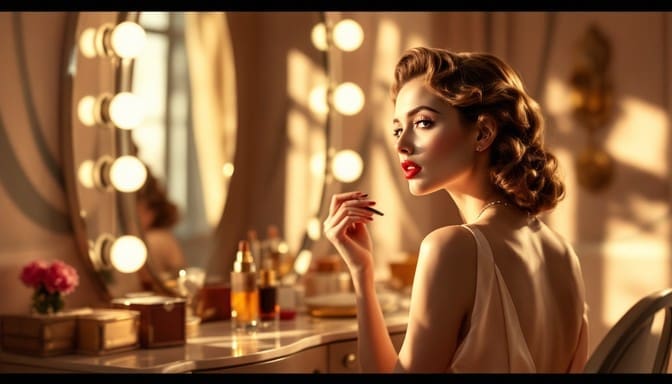
There was a time when aesthetic work in entertainment was easier to spot. A sharper cheek here. A tighter forehead there. Lips that looked a little too full under studio lighting. Audiences noticed. Cameras noticed even more. And once people started noticing, the whole idea of beauty on screen began to shift.
Now the conversation feels different. Much quieter. Much more careful.
The goal is rarely to look dramatically changed. It is to look rested. Balanced. Fresh in a way that does not pull attention away from the performance. That is where subtle aesthetic treatments have started to matter more in modern entertainment. They are part of a larger approach to presentation, one that values refinement over obvious correction.
This is not only about vanity or trend chasing. It is tied to the pressure of close-up shots, high-definition filming, social media scrutiny, and the nonstop visibility that comes with public work. Faces are seen from every angle now. Not once in a while. All the time.
Why subtlety has become the standard
The entertainment industry has always shaped beauty standards, but the camera has changed. High-definition formats, 4K production, streaming content, and constant behind-the-scenes coverage have made exaggerated results harder to hide and even harder to defend. What once passed on screen can now feel distracting.
That shift created a different kind of demand. Not bigger changes. Smarter ones.
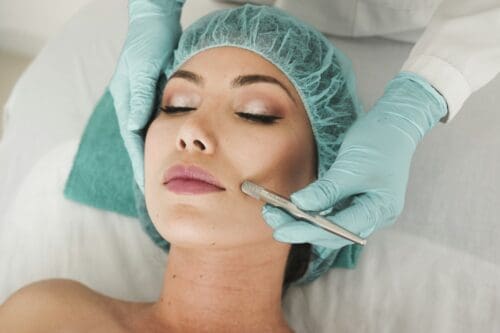
Actors, presenters, performers, and public-facing talent often want improvements that sit quietly within the face rather than dominate it. A softer line. Better volume balance. More support in areas that tend to look tired under makeup and lighting. It is a measured process. Very controlled. The kind of work that helps someone still look like themselves.
For clinics and professionals working in this space, product access also matters because consistency matters. Quality matters. Reliable sourcing matters. That is one reason medical professionals and aesthetic businesses may look for trusted channels when they need to order facial filler treatments as part of broader treatment planning. The point is not excess. It is precision, product familiarity, and results that stay in harmony with facial movement.
Entertainment does not reward obvious work anymore
That is probably the simplest way to put it.
Modern audiences are incredibly visually aware. They may not always know what was done, but they know when something feels off. A face that no longer moves naturally. Features that stop matching age, expression, or character. All of that can interrupt the viewing experience.
And entertainment depends on believability.
Subtle aesthetic treatments work because they support that believability rather than compete with it. A performer still needs to communicate emotion. Tension. Grief. Charm. Fear. Amusement. If the face looks overly treated, the audience can lose that emotional connection very quickly.
This is why the best aesthetic work in entertainment often goes unnoticed. It leaves the performance intact. Sometimes it even helps it.
The rise of maintenance over transformation
That may be the biggest change of all.
The old mindset often centered on fixing a problem once it became very visible. The newer mindset feels more like maintenance. Small adjustments. Better timing. Less correction later because the face has been cared for along the way.
This approach fits naturally with entertainment schedules. People working in film, television, stage, music, and digital media often cannot disappear for long recovery periods or major visible changes. Their face is part of their work. So the plan has to respect continuity.
That means treatments are often viewed less as dramatic events and more as part of personal upkeep, similar to skincare, nutrition, training, hair, wardrobe, and makeup. Everything works together. Nothing should scream for attention on its own.
Why facial fillers are part of this conversation
Fillers keep coming up because they offer flexibility. That matters a lot in an industry built on image.
Used carefully, they can support structure, soften tired areas, restore balance, and help the face photograph more evenly under harsh light. Not in an exaggerated way. In a restrained one. The kind that makes people say someone looks good without immediately knowing why.
That kind of response is valuable in entertainment because the person stays recognizable. Their look stays theirs.
There is also the practical side. Facial volume loss, shadowing, and contour shifts can show up strongly on camera, even when they are mild in real life. Stage and screen are not neutral environments. They magnify. They flatten. They create odd visual effects that everyday mirrors do not. So a treatment decision in entertainment is rarely about ordinary appearance alone. It is about how the face performs under technical conditions.
The role of planning, not panic
One reason subtle results tend to look better is that they come from planning rather than urgency.
Panic usually leads to overcorrection. Someone notices they look tired before a shoot, before a press event, before a public appearance. They want a quick fix. That is where things can go wrong. Too much product. Too little restraint. Not enough regard for proportion.
Planning works differently. It looks at the whole face. It considers timing, camera readiness, expression, and how the result will settle. It asks better questions. What actually needs support? What can be left alone? What helps the person look refreshed without changing their identity?
That kind of thinking is much closer to what modern entertainment demands. Not a new face. A well-managed one.
Subtle treatments support confidence off screen too
This part gets overlooked, but it matters.
People in entertainment are not only filmed. They are photographed casually, tagged online, interviewed, watched backstage, recorded by fans, and discussed in comment sections. There is almost no true off mode anymore. That changes how people think about appearance.
When treatments are subtle, they tend to support confidence in both public and private settings. The person does not need to worry that their face looks one way on camera and another in daylight. They do not need to explain a sudden dramatic change. They can move through work and daily life without the treatment becoming the main story.
That quiet confidence has real value, especially in an industry that can be brutally observant.
Why professionals matter more than trends
Entertainment culture is deeply trend-driven. One face shape becomes popular, then another. One lip look dominates, then falls out of favor. One contour style shows up everywhere, then suddenly feels dated. Chasing that cycle is risky.
Faces are not costumes.
A subtle aesthetic approach works best when the focus stays on the individual rather than the moment. The treatment has to fit the person’s bone structure, expression style, age, and professional needs. A performer doing close emotional work may need a different strategy than a presenter under bright studio lights. A stage actor has different demands than someone filming beauty content for social media every day.
This is why experienced professionals matter so much. They are not just applying product. They are reading the face, respecting movement, and knowing when enough is enough. Sometimes the smartest choice is a very small amount. Sometimes it is no filler at all in a particular area. That judgment is what protects subtlety.
The audience has changed too
It is not only the industry that moved. Audiences moved with it.
Viewers have become more literate in aesthetic language. They talk about filler, symmetry, balance, migration, natural results, and facial harmony with surprising familiarity. They compare old photos, new interviews, red carpet clips, and livestream appearances. They notice patterns. They discuss them publicly.
That public awareness creates pressure, but it also creates accountability.
Obvious work can pull people out of the story. It can dominate online conversation in a way performers and studios do not want. Subtle work, on the other hand, tends to disappear into the whole image. It supports costume, makeup, styling, and performance without overpowering any of them.
For entertainment, that is a much stronger outcome.
Subtle does not mean insignificant
This is where the conversation gets interesting.
A subtle treatment can still make a meaningful difference. It can change how light hits the face. How concealer sits under the eyes. How the jawline reads in profile. How rested someone appears after long production days. None of that is loud, but it can be powerful.
And in entertainment, small shifts often matter the most.
A tiny improvement seen across dozens of close-ups, interviews, and promotional appearances becomes part of a larger polished image. The audience may never identify the reason. They just register cohesion. Control. Presence.
That is usually the real target.
What this shift says about beauty in entertainment
It says the industry is growing more selective. Maybe more disciplined too.
Big, obvious aesthetic signals are no longer the only route to a polished look. In many cases, they are the less useful route. What works now is restraint. Thoughtful planning. A face that still moves, still communicates, still belongs to the person wearing it.
That is why subtle aesthetic treatments hold such a strong place in modern entertainment. They fit the current visual culture. They respect the technical demands of camera work. And maybe most importantly, they leave room for the one thing audiences still care about most: the person, not the procedure.
That is the real shift. Not the treatment itself. The mindset around it.
