


Areas We Cover
Categories

THE HISTORY OF MOVIES: FROM SILENT FILMS TO MODERN STREAMING
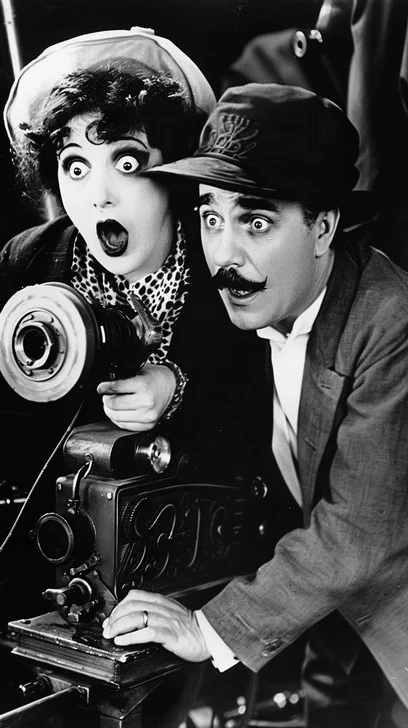
Movies have become one of the most influential forms of entertainment in human history. From black-and-white silent films shown in small theaters to today’s massive blockbuster franchises and online streaming platforms, cinema has continuously evolved alongside technology and culture. The history of movies is a fascinating journey filled with innovation, creativity, and groundbreaking storytelling that shaped generations around the world.
The Birth of Cinema
The origins of movies date back to the late 19th century when inventors began experimenting with moving images. Before films existed, devices such as the zoetrope and magic lantern created the illusion of motion using rotating pictures and projected slides.
In 1895, French inventors Auguste and Louis Lumière introduced the Cinématographe, one of the earliest motion-picture cameras and projectors. Their short films, including Workers Leaving the Lumière Factory and Arrival of a Train at La Ciotat, amazed audiences and marked the beginning of public cinema screenings.
At the same time, inventor Thomas Edison contributed to early filmmaking technology in the United States with devices such as the Kinetoscope. These innovations laid the foundation for the movie industry we know today.
The Silent Film Era
The early 1900s became known as the silent film era because movies had no synchronized sound. Instead, theaters used live pianists or orchestras to provide music during screenings.
Despite the lack of dialogue, filmmakers developed powerful storytelling techniques through facial expressions, title cards, and dramatic cinematography. Legendary actors such as Charlie Chaplin, Buster Keaton, and Harold Lloyd became international stars thanks to their unforgettable performances.
One of the most important films of this period was The Birth of a Nation (1915), which introduced advanced cinematic techniques, although it also remains controversial for its racist themes. Another milestone was Metropolis (1927), a science-fiction masterpiece that influenced countless future films.
The Introduction of Sound
Everything changed in 1927 with the release of The Jazz Singer, the first feature-length movie with synchronized dialogue sequences. This marked the beginning of the “talkies” era.
Studios quickly adapted to sound technology, and audiences embraced movies with spoken dialogue and music. Many silent film stars struggled with the transition, while new actors rose to fame because of their voices and screen presence.
The introduction of sound transformed filmmaking forever. Musicals, crime dramas, and dialogue-heavy stories became increasingly popular throughout the 1930s.
Hollywood’s Golden Age
The 1930s through the 1950s are often considered Hollywood’s Golden Age. Major studios such as MGM, Paramount Pictures, Warner Bros., and 20th Century Fox dominated the film industry.
During this era, some of the most iconic movies in history were released, including:
- Gone with the Wind (1939)
- Casablanca (1942)
- Citizen Kane (1941)
- The Wizard of Oz (1939)
Color technology also became more common, especially after the success of Technicolor films. Audiences were amazed by vibrant visuals and larger-than-life productions.
Movie theaters became social hubs where people gathered to enjoy stories, newsreels, cartoons, and live entertainment.
The Rise of International Cinema
Although Hollywood became the center of global filmmaking, many countries developed influential film industries of their own.
Italian Neorealism emerged after World War II with realistic films focused on ordinary people and social struggles. Directors such as Federico Fellini and Vittorio De Sica gained worldwide recognition.
In Japan, filmmaker Akira Kurosawa revolutionized cinema with masterpieces like Seven Samurai and Rashomon. French New Wave directors such as Jean-Luc Godard and François Truffaut experimented with editing, storytelling, and camera movement during the 1950s and 1960s.
International cinema helped expand artistic possibilities and inspired filmmakers across the world.
The Blockbuster Era
The 1970s introduced a new era of filmmaking known as the blockbuster age. Directors such as Steven Spielberg and George Lucas created films that attracted massive audiences worldwide.
Jaws (1975) became one of the first true summer blockbusters, while Star Wars (1977) revolutionized visual effects, merchandising, and franchise storytelling.
Throughout the 1980s and 1990s, action movies, science-fiction adventures, and family-friendly entertainment became dominant at the box office. Films such as Jurassic Park, Titanic, and The Matrix pushed special effects technology to new heights.
The Digital Revolution
The arrival of digital filmmaking completely transformed the movie industry in the late 1990s and early 2000s. Directors began using CGI (computer-generated imagery) to create realistic fantasy worlds and visual effects.
Movies like Avatar demonstrated how advanced digital technology could immerse audiences in entirely new environments. Streaming services later changed how people watch movies, allowing viewers to access thousands of titles from home.
Today, audiences can enjoy films in theaters, on televisions, laptops, tablets, and smartphones. Online platforms have made global cinema more accessible than ever before.
The Future of Movies
The future of cinema continues to evolve with advancements in artificial intelligence, virtual reality, and interactive storytelling. Filmmakers are constantly exploring new ways to create immersive experiences for audiences.
Despite changing technology, the core purpose of movies remains the same: to tell stories that entertain, inspire, and connect people emotionally.
Whether it’s a classic black-and-white masterpiece or a modern superhero epic, movies continue to shape culture and bring audiences together around the world.
Discover More Movies Online
If you enjoy learning about cinema history and discovering great films from different eras, visit Movieix to explore movie-related content, reviews, entertainment articles, and recommendations for film fans.
Conclusion
The history of movies is a story of creativity, innovation, and cultural impact. From silent films projected in small theaters to modern streaming platforms accessible worldwide, cinema has evolved dramatically over the past century.
Movies remain one of humanity’s most powerful artistic achievements, continuing to entertain billions of people while preserving stories, emotions, and ideas for future generations.
