


Areas We Cover
Categories

WARSAW’S NIGHTLIFE TRANSFORMATION POST-PANDEMIC
by Michael Carr | June 23, 2026
in Extras
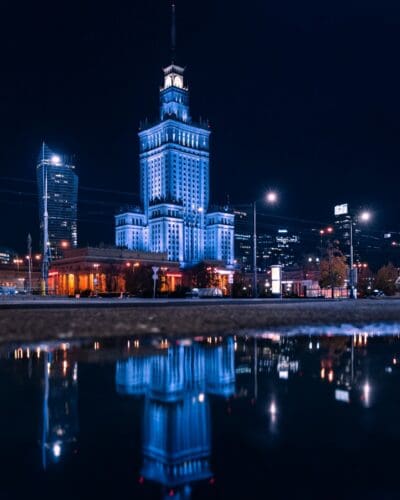
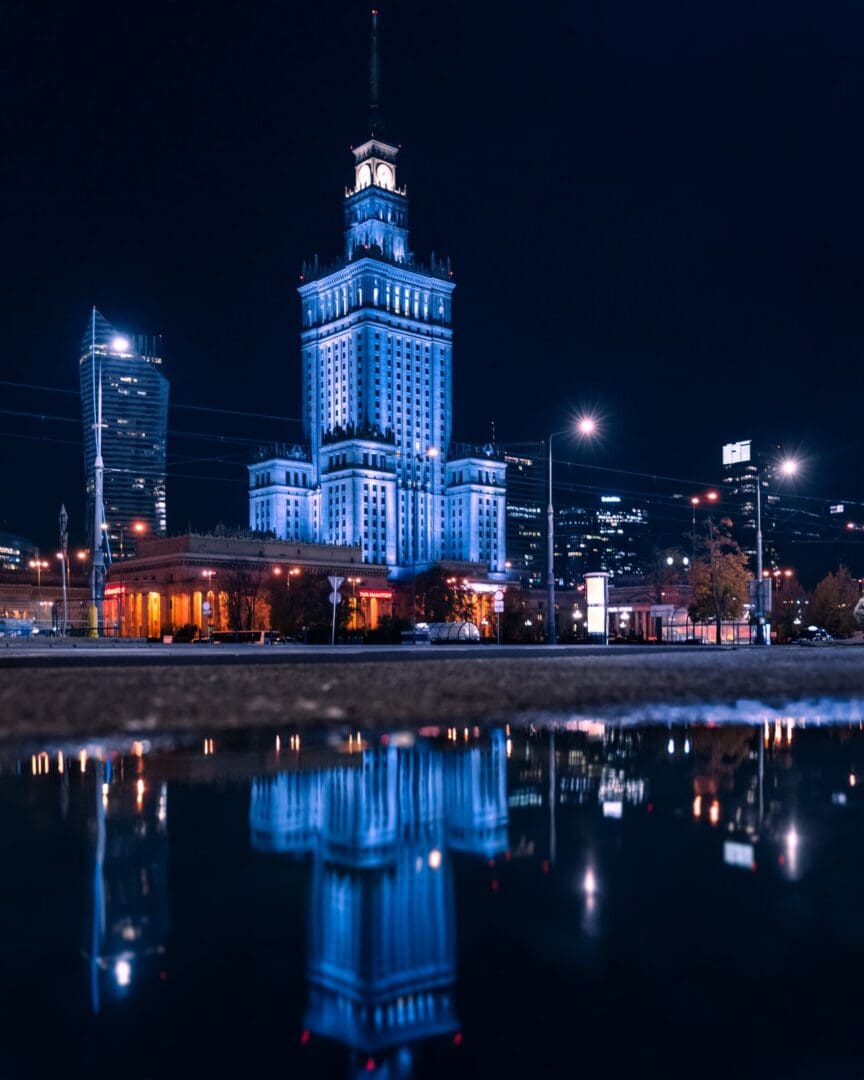
When the clubs went dark in 2020, few expected the lights to come back brighter. Yet Warsaw’s nightlife did not merely reopen after the shutdown; it reorganized. Venues that closed for good freed up space and talent, riverside districts that had been afterthoughts became destinations, and young promoters treated the empty calendar as a blank slate rather than a loss. The result looks meaningfully different from its 2019 self, more decentralized, more experimental, and spread across parts of the city nightlife had ignored. Understanding how that shift happened is the best way to read the Warsaw night today.
Rebuilt From the Ground Up
The pandemic functioned as an unplanned reset rather than a simple pause. Long-running clubs that did not survive the closures left gaps, and those gaps filled not with replacements but with new ideas, often from people who spent the quiet months planning. The Trainspotting collective is the emblematic case, starting with secret raves in a former Praga train depot in 2021 before graduating to established venues. That pattern, talent incubated underground during the shutdown and surfacing as the city reopened, repeated across the map and gave the recovery its bottom-up character.
Districts That Redrew the Map
Geography is where the change shows most plainly. Nightlife that once clustered tightly in the center has spread east across the Vistula and down toward the river, and each emerging district has settled into its own distinct identity rather than copying the old downtown template. The table sketches where the energy moved and what now defines each pocket of the post-pandemic map.
| District | The Vibe | What Anchors It |
| Praga | Post-industrial and alternative | Raw warehouse clubs, street art, raves |
| Powiśle | Trendy and riverside | Skyline bars, summer crowds, house music |
| Śródmieście | Polished and central | Cocktail rooms and established clubs |
| Mokotów | Residential and understated | Hidden gems and quieter lounges |
The standout story is unmistakably Praga, the formerly rough east-bank district whose post-industrial bones turned out to be perfect for the moment. Old factories and tenements along Ząbkowska Street and around the Centrum Praskie Koneser complex now host the warehouse clubs, galleries, and alternative venues that define the city’s edgier nights, occupying spaces that would have read as derelict a single decade ago and now read as the most desirable rooms in town.
Why Praga Won the Recovery
Praga’s rise was not an accident of fashion but a match between cheap, characterful space and a generation that prized authenticity over polish. The raw interiors that landlords could not afford to renovate became the aesthetic itself, and the district’s slight grit read as credibility rather than danger to a younger crowd. Improved transport and genuinely better safety did the rest, converting a place people once avoided after dark into the first place they now head.
How People Actually Go Out Now
The behavior of nightgoers changed alongside the geography, and the new patterns are practical as much as cultural, shaped partly by habits formed during the long stretch indoors. The way a typical night assembles itself now looks different from the pre-pandemic routine, and a few specific shifts define the current form better than any single venue does.
- Evenings start later and at home, with clubs filling around midnight rather than ten.
- Pre-going-out time leans digital, from streaming and group chats to a few online slots at NVCasino online, while plans firm up.
- The riverside boulevards draw warm-weather crowds that barely existed before the renovations.
- Cash still rules the door at many underground venues, even where cards are accepted inside.
The throughline running through all of it is flexibility: the rigid club-all-night template loosened into something far more modular and improvised. A single night can now drift from a riverside cocktail bar to a Praga warehouse rave to a late jazz cellar without anyone committing to a fixed plan in advance, which suits a younger crowd that has come to value open options far more than the old all-night-in-one-room routine.
What the Transformation Signals
Warsaw’s recovery offers a wider lesson about how cities rebound, since the most resilient scenes were the least centralized. The venues tied to a single owner or a single mega-club proved fragile, while loose collectives and cheap, adaptable spaces bent without breaking. That decentralization is now the scene’s defining strength, spreading risk and creativity across dozens of small operators rather than a handful of institutions. Whether the riverside boom survives a few hard winters or Praga gentrifies past its own charm remains an open question, but the structural shift toward many small, nimble venues looks durable.
The City That Came Back Different
Warsaw’s night of 2026 is not the one paused in 2020, and that is the point. A forced intermission cleared room for a scene that is more spread out, more improvisational, and more firmly in the hands of the young promoters who built it back. For a visitor, the practical takeaway is simple: skip the assumption that the center holds the best nights, cross the river to Praga, follow the collectives rather than the famous names, and let the evening wander. The city rebuilt its nightlife to reward exactly that kind of curiosity.