


Areas We Cover
Categories

WHY SOME THEATRICAL PRODUCTIONS STAY WITH YOU LONG AFTER THE CURTAIN FALLS
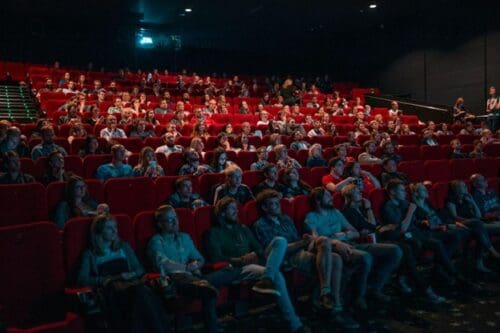
Most people remember the plot of a great play for a while. Truly exceptional productions, however, leave something much deeper behind. Days or even years later, audiences can still recall a particular line, a lighting cue, a moment of silence, or the emotion they felt when the curtain came down. Those performances become experiences rather than simply evenings at the theatre.
What creates that kind of lasting impact isn’t usually one spectacular scene. Instead, it’s the way every creative element works together to tell a story that feels genuine. Performances, staging, costumes, music, lighting, and set design all contribute to an emotional experience that continues long after the audience leaves the venue.
The Smallest Details Often Carry the Greatest Meaning
Theatre has a unique ability to communicate through subtle details. A carefully chosen costume, a meaningful prop, or a simple piece of jewelry can quietly reveal something about a character without requiring a single line of dialogue. These visual elements help audiences understand personalities, relationships, and emotional journeys before the actors even speak.
Costume designers therefore spend considerable time selecting accessories that feel authentic to each character rather than simply decorative. While researching pieces that convey individuality and symbolism, designers and creatives sometimes explore inspiration through resources such as Alexis Russell, where discussions around distinctive gemstone jewelry highlight how unconventional designs can express personality and tell a more personal story. That same attention to meaningful detail often helps theatrical productions create characters that remain memorable long after the performance ends.
The audience may not consciously notice every design decision, but together they shape the emotional authenticity of the production.
Great Performances Feel Honest Rather Than Perfect
Audiences rarely connect with flawless characters. Instead, they respond to vulnerability, uncertainty, humor, fear, and emotional honesty. The strongest performances allow viewers to recognize parts of themselves within the people on stage, even when the setting or time period is completely unfamiliar.
Actors spend weeks or months developing these characters through rehearsal, gradually discovering how they move, react, and communicate. The goal isn’t to impress the audience with technical skill alone but to create relationships that feel believable enough for viewers to become emotionally invested.
When that happens, people stop watching actors perform and begin believing in the characters themselves.
Every Department Tells the Same Story
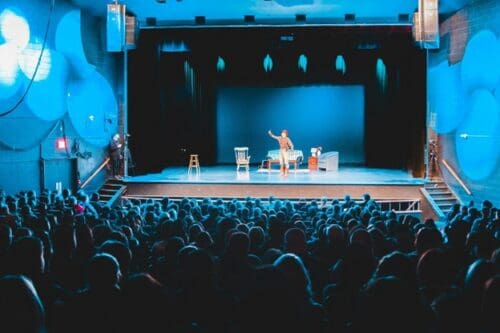
Successful productions aren’t created by actors alone. Directors, lighting designers, sound engineers, costume departments, stage managers, scenic artists, and countless others contribute to every performance.
The audience may never see these teams, yet their work influences nearly every emotional moment. Lighting guides attention, music builds tension, scenery establishes atmosphere, and carefully timed technical cues support the rhythm of each scene.
When every department works toward the same artistic vision, audiences experience a seamless production where nothing feels accidental or out of place.
The Audience Completes the Performance
Unlike film or television, theatre changes slightly every night because the audience becomes part of the experience. Laughter, silence, applause, and emotional reactions influence pacing and energy in ways that cannot be fully rehearsed.
Actors often describe feeling the audience’s attention shift throughout a performance, adjusting timing or delivery naturally in response. That shared experience creates a connection unique to live performance, where performers and audience briefly become part of the same story unfolding in real time.
This sense of immediacy is one reason theatre continues to resonate despite the growth of digital entertainment.
Lasting Productions Leave Questions Behind
The productions people remember longest often avoid providing simple answers. Instead, they encourage reflection after the final scene ends.
Audiences continue thinking about characters’ decisions, relationships, themes, and moral dilemmas while discussing the performance with friends or revisiting particular moments in their minds. The play may be over, but its ideas continue evolving long after everyone has gone home.
That lingering emotional connection is what separates memorable theatre from ordinary entertainment. Great productions don’t simply tell stories, they create experiences that remain with audiences because every creative decision, from the performances to the smallest visual details, serves a larger emotional purpose. When all of those elements come together successfully, the curtain may fall, but the story continues living in the minds of those who witnessed it.