


Areas We Cover
Categories

THE RISE OF BOUTIQUE COFFEE SHOPS REPLACING GLOBAL FAST FOOD CHAINS
by Susan Hall | June 30, 2026
in Extras
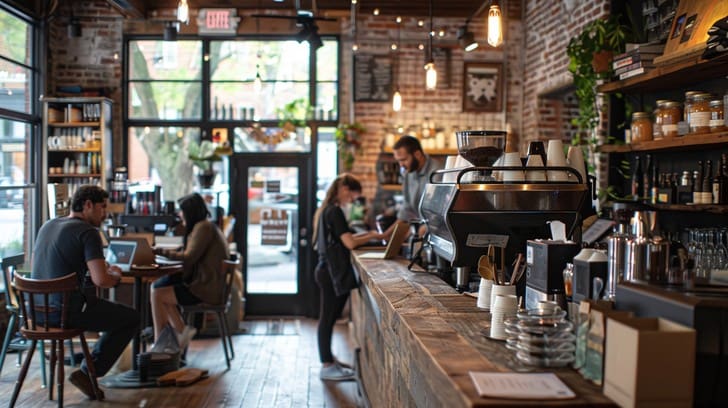
The morning routine of the average city dweller is undergoing a noticeable cultural shift across major urban neighborhoods. For decades, massive fast-food corporations dominated the breakfast rush, relying on assembly-line speed and predictable, machine-made menus to capture commuters. However, moving through the middle months of 2026, a major consumer migration toward independent boutique coffee shops is reshaping the high-street economy. People are actively turning their backs on sterile, corporate environments in favor of spaces that offer specialized craftsmanship and authentic human connection. This movement represents a broader desire for premium localized experiences, proving that today’s public values quality and careful preparation over cheap, uniform convenience.
Why modern consumers choose tailored premium service over fast automated transactions
The modern consumer has developed a much higher expectation for the services they interact with throughout their day. When someone buys a morning beverage, they are not just paying for caffeine; they are investing in a brief moment of comfort and personal recognition.
Because artisanal pour-over methods take a few minutes to brew perfectly, customers routinely use this peaceful waiting window to catch up on digital leisure, such as loading up the fast mobile slots at 7 Bit Casino for a quick instant-win round while sitting at the counter. In the food and beverage sector, boutique shops capitalize on this desire for premium care by training baristas to understand the exact origin of their beans and to treat every customer interaction as an opportunity to build community.
Key reasons why independent coffee houses are winning the high street
- A diverse selection of locally sourced beans that support sustainable farming practices.
- Highly skilled staff who view beverage preparation as an art form.
- Welcoming interior designs that feature local artwork and comfortable lounge seating.
- Unique seasonal menus that change frequently to keep the experience fresh.
- A strong focus on eco-friendly packaging and reducing daily waste footprints.
- The creation of neighborhood social hubs where remote workers can gather.
- Transparent business practices that show exactly where ingredients are bought.
Comparing the consumer experience between corporate chains and boutique shops
| Service Attribute | Global Fast Food Chains | Independent Boutique Coffee Shops |
| Ingredient Quality | Mass-produced, freeze-dried, and heavily sweetened | Freshly roasted, single-origin, and micro-batched |
| Staff Interaction | Transactional, hurried, and script-dependent | Conversational, friendly, and highly knowledgeable |
| Interior Atmosphere | Clinical, plastic, and designed for quick turnover | Cozy, warm, and inviting for long conversations |
| Menu Flexibility | Rigid corporate structures with zero substitutions | Adaptable to dietary preferences and custom requests |
| Economic Impact | Profits are funneled to distant offshore entities | Money circulates back into the local neighborhood |
| Digital Presence | Clunky corporate apps focused on advertising | Sleek, fast reward programs that value loyalty |
How the shift toward slow consumption improves daily mental well being
Choosing to visit a boutique establishment is often an intentional decision to slow down and enjoy the present moment. The fast-food model is built entirely on the concept of frantic speed, forcing consumers to rush through drive-thrus or grab bags from automated counters without taking a breath. Boutique coffee shops encourage the opposite behavior, inviting guests to watch the brewing process, inhale the aromas, and sit down in a beautifully designed space. This brief pause in a hectic morning schedule acts as a gentle mental reset, helping people reduce anxiety and start their workdays with a calm, focused mindset instead of a rushed rush of adrenaline.
The long term impact of supporting localized independent business ecosystems
As these small coffee businesses continue to flourish throughout the year, their success brings a vibrant energy back to local economies that were previously hollowed out by massive monopolies. Independent shop owners are far more likely to hire local contractors, source pastries from neighborhood bakers, and sponsor community events. This interconnected web of commerce creates a resilient economic ecosystem where everyone benefits from the growth of a single storefront. By spending money at a neighborhood cafe, consumers are directly voting for the character and future of their own towns, ensuring that our shared spaces remain unique, diverse, and deeply human for generations to come.
