


Areas We Cover
Categories

THE COSTUME DESIGNERS BEHIND HOLLYWOOD’S MOST MEMORABLE CHARACTERS
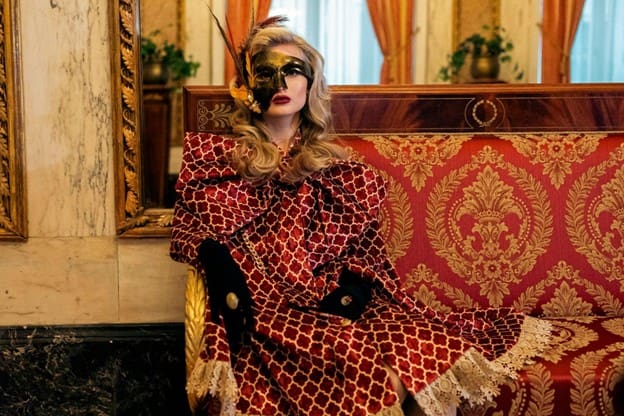
Some of the most unforgettable characters in film history are recognized before they even speak. A carefully tailored suit, a distinctive dress, or a signature accessory can become as iconic as the performance itself. While actors receive much of the public attention, costume designers play a critical role in shaping how audiences understand a character’s personality, status, and journey.
Every fabric choice, color palette, and accessory is selected with intention. Great costume design doesn’t simply make characters look stylish, it tells part of the story before a single line of dialogue is delivered.
Costumes Help Audiences Understand Characters Instantly
One of the greatest challenges in filmmaking is communicating information quickly. Costume designers use clothing to establish a character’s profession, confidence, social background, or personal transformation without lengthy explanations.
Formal attire is particularly effective because tailoring, color, and silhouette immediately communicate mood and purpose. Companies such as Designer Church Suits demonstrate how structured garments, coordinated accessories, and elegant craftsmanship can create a polished appearance for formal occasions. Their emphasis on timeless tailoring reflects the same design principles costume departments often use when creating characters whose clothing should project dignity, confidence, or authority from their very first appearance on screen.
These visual cues allow audiences to begin forming impressions before the story fully unfolds.
Accessories Often Become a Character’s Signature
While clothing establishes the overall look, accessories frequently become the details audiences remember most. Glasses, hats, jewelry, handbags, and watches can quietly reinforce a character’s personality without drawing attention away from the story.
A carefully selected watch, for example, may suggest sophistication, success, practicality, or timeless elegance depending on its style. Someone exploring women luxury watches can see how different case sizes, materials, and bracelet designs complement a wide range of formal and everyday wardrobes. Costume designers apply similar thinking when selecting accessories that support a character’s identity while remaining consistent throughout a film.
The most memorable accessories rarely feel accidental, they become part of the character’s visual identity.
Color and Fabric Influence Emotional Storytelling
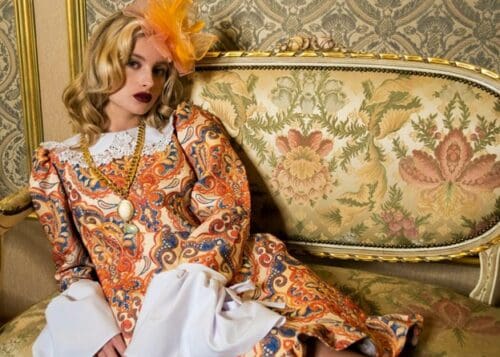
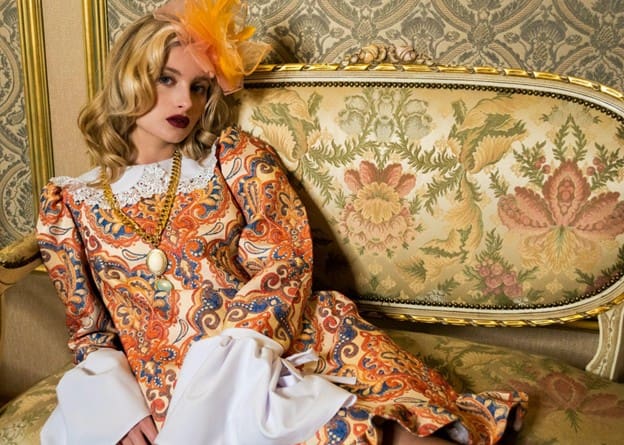
Costume designers carefully consider how fabrics and colors interact with lighting, scenery, and cinematography. Soft fabrics may communicate vulnerability, while structured materials often project confidence or authority. Likewise, darker color palettes can reinforce dramatic moments, whereas brighter tones may express optimism or personal growth.
These decisions become even more meaningful over the course of a film. Characters frequently experience gradual wardrobe changes that reflect emotional development, changing relationships, or shifting priorities. Viewers may not consciously notice every adjustment, but these visual details subtly support the narrative.
Because costume design works alongside lighting and production design, every garment contributes to the overall atmosphere of a scene.
Historical Accuracy Requires Extensive Research
Films set in historical periods demand much more than attractive clothing. Costume departments often spend months researching textiles, tailoring methods, cultural traditions, and social customs to ensure wardrobes accurately reflect the period being portrayed.
Designers study archival photographs, museum collections, paintings, fashion illustrations, and surviving garments before creating costumes that balance authenticity with practical filmmaking requirements. Even when creative adjustments are necessary, successful productions maintain enough historical accuracy to preserve the audience’s immersion.
This attention to detail helps transform fictional stories into believable worlds that feel historically grounded.
Collaboration Shapes Every Costume Decision
Costume design is rarely an isolated creative process. Designers work closely with directors, production designers, makeup artists, hairstylists, and cinematographers to ensure every visual element supports the same storytelling goals.
Actors also contribute valuable insights as costumes evolve during fittings and rehearsals. Clothing must not only look appropriate but also allow performers to move naturally while reinforcing the emotions each scene requires. This collaborative process ensures costumes become an extension of the performance rather than simply decorative wardrobe choices.
The strongest costume designs are those audiences remember without realizing how much careful planning made them possible.
Great Costume Design Leaves a Lasting Legacy
Many of Hollywood’s most memorable characters remain instantly recognizable because of their clothing as much as their performances. Iconic costumes influence fashion trends, inspire designers, and become part of popular culture long after films leave theaters.
Although audiences often focus on actors and directors, costume designers quietly shape the visual language that makes these characters unforgettable. Through thoughtful research, meticulous craftsmanship, meaningful accessories, and close collaboration with the entire production team, they create wardrobes that become an essential part of cinematic storytelling.
The next time a film character immediately feels believable or unforgettable, chances are the costume designer played a significant role in making that first impression last.
