


Areas We Cover
Categories

COLORADO’S HISTORIC THEATERS: WHERE THE PAST TAKES CENTER STAGE

Colorado’s landscape holds more than mountains and mining history. Scattered across its cities and small towns, a collection of historic theaters and movie houses continues to draw audiences, just as they have for generations. Many of these venues date back to the late 1800s and early 1900s, built during the boom years when silver and gold fueled rapid growth across the state.
These buildings tell the story of Colorado’s cultural evolution. They started as opera houses and vaudeville stages, transitioned into movie palaces during Hollywood’s golden age, and today serve as cherished community landmarks. Some have been meticulously restored, while others retain their original character with only careful preservation.
This guide explores several of Colorado’s most notable historic theaters, including a beloved venue in the Durango area. Whether you appreciate architecture, film history, or live performance, these establishments offer a window into the state’s rich past—and remain very much alive today.
The Central City Opera House
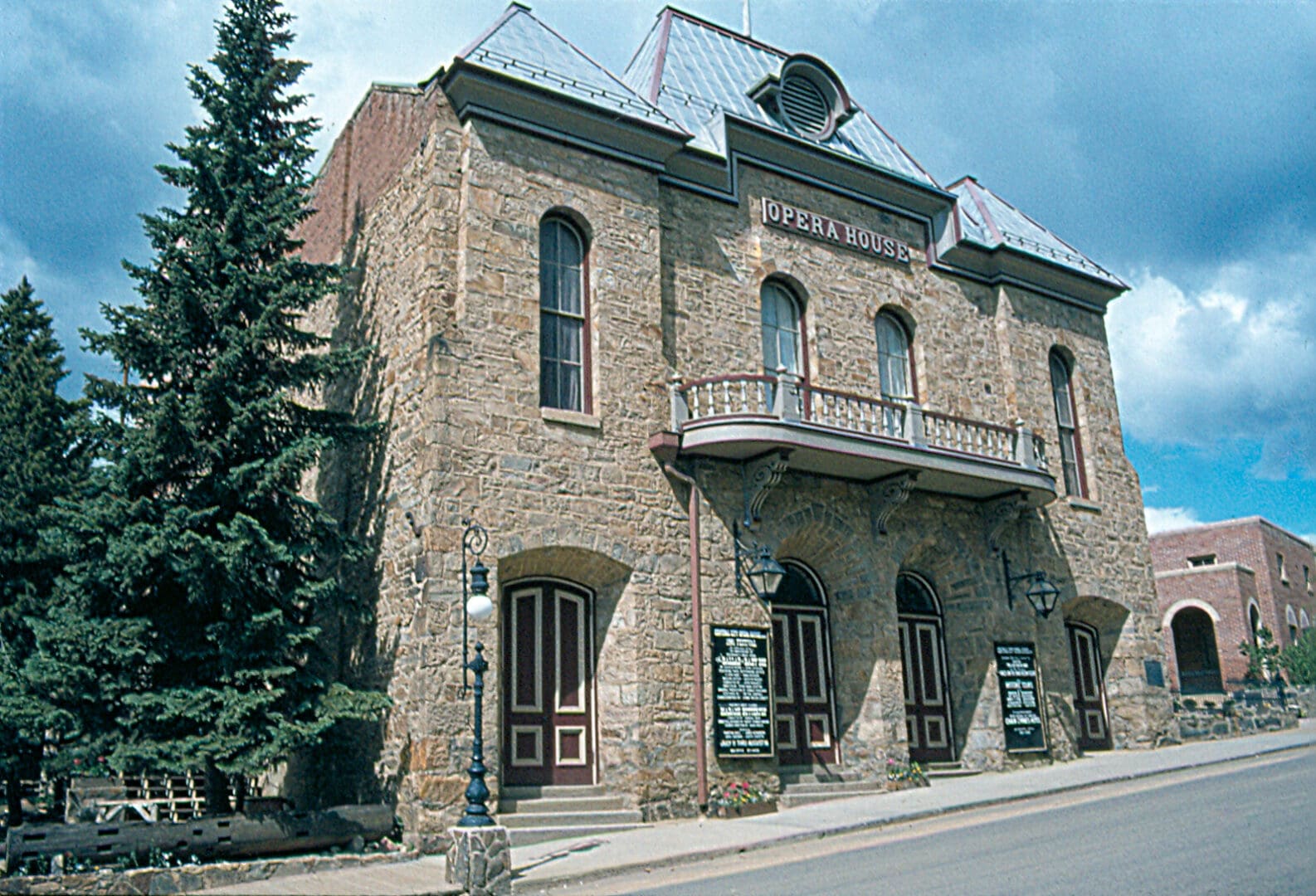
Central City Opera House (photo: Rainer Halama)
Built in 1878, the Central City Opera House stands as one of Colorado’s oldest and most significant performance venues. Located in the former mining town of Central City, the stone building was constructed by Cornish and Welsh miners who wanted to bring culture to their remote community.
The opera house seats around 550 people and features original hand-painted murals and remarkable acoustics. After falling into disuse during the early 20th century, it was restored in 1932. Today, it hosts the Central City Opera, the fifth-oldest opera company in the United States, with a summer festival that draws visitors from across the region.
The Tabor Opera House in Leadville
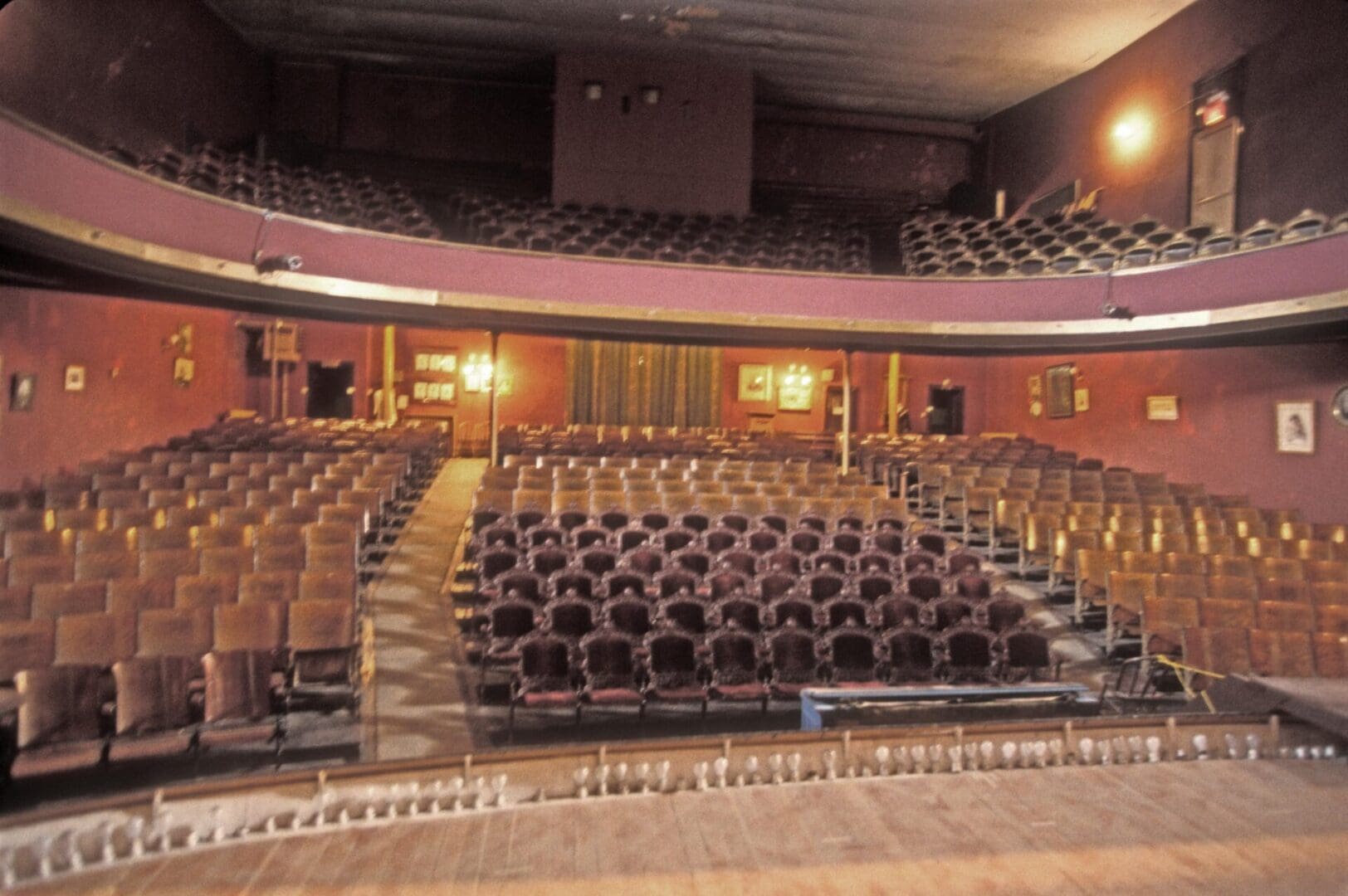
Interior of Tabor Opera House (photo by Jerry and Roy Klotz)
Horace Tabor, one of Colorado’s most famous silver magnates, built the Tabor Opera House in Leadville in 1879. At the time, it was considered one of the finest theaters between St. Louis and San Francisco.
The building hosted a range of performances, from operas and plays to boxing matches and lectures. Notable figures such as Harry Houdini and Oscar Wilde appeared on its stage. The venue has undergone extensive preservation efforts in recent years, with the City of Leadville and local nonprofits working to protect its original features, including the stage, dressing rooms, and much of the historic furnishings.
The Wheeler Opera House in Aspen
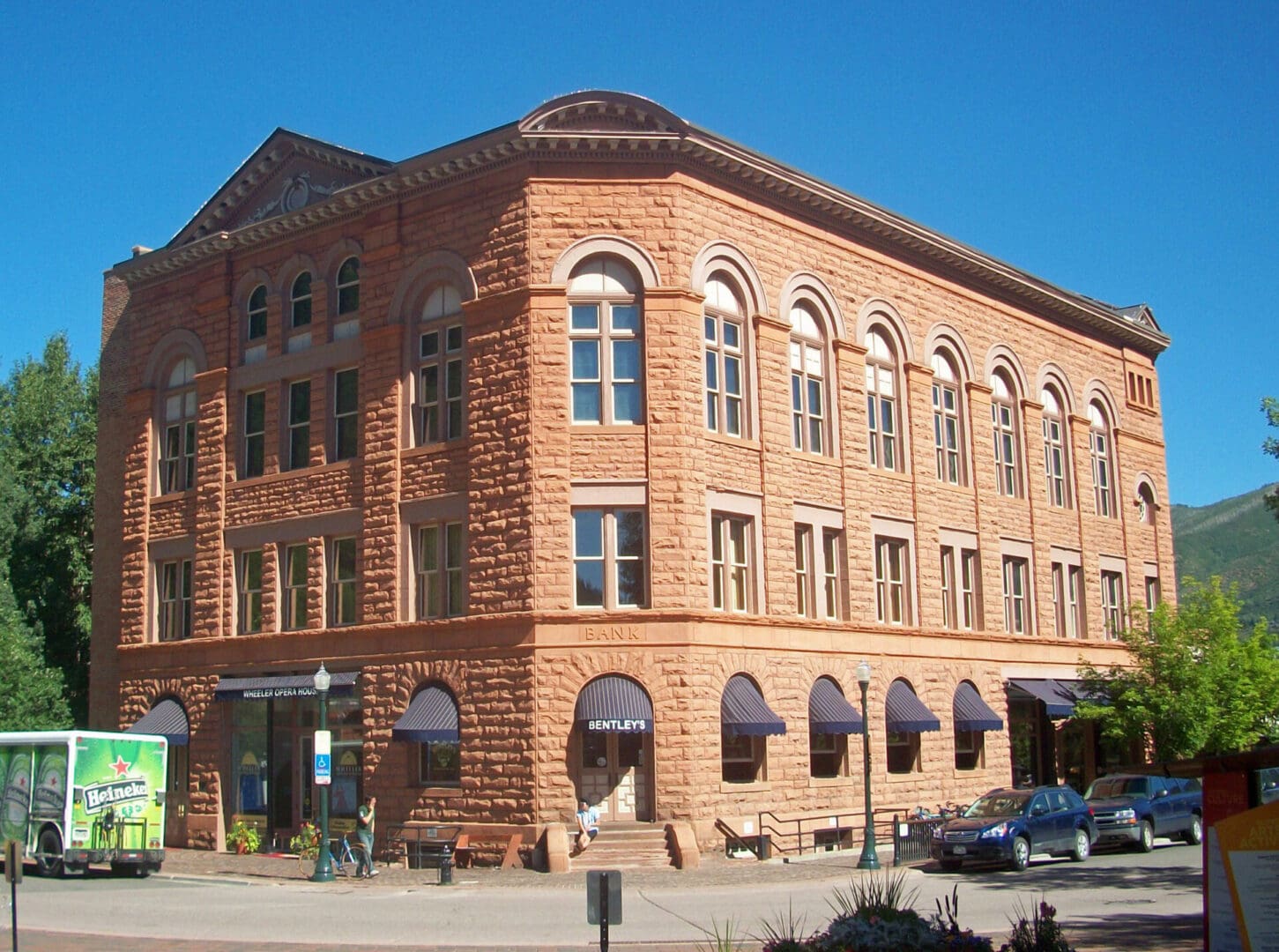
Wheeler Opera House, Aspen, CO (photo by Daniel Case)
The Wheeler Opera House opened in 1889, funded by Jerome B. Wheeler, a co-owner of Macy’s who invested heavily in Aspen during its silver boom. The building’s distinctive design and quality construction made it a centerpiece of the town.
Two fires in 1912 damaged the structure, and the venue sat largely dormant for decades. A major restoration in the 1980s brought it back to life. Today, the Wheeler Opera House functions as a year-round cultural hub, hosting concerts, films, comedy shows, and community events in the heart of Aspen.
The Paramount Theatre in Denver
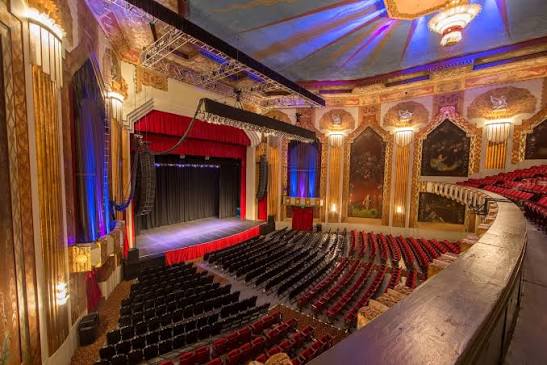
Interior of the Paramount Theatre in Denver
Opened in 1930, the Paramount Theatre in downtown Denver represents the movie palace era at its peak. Designed by architect Temple Hoyne Buell, the theater showcases an Art Deco style that was fashionable during the period.
The Paramount is notable for housing one of only two remaining twin Wurlitzer organs in the country. Originally built for silent films and stage shows, the theater now operates as a live event venue, hosting concerts, comedy performances, and other productions. Its central location on Glenarm Place keeps it a fixture of Denver’s entertainment scene.
The Historic Strater Hotel and Diamond Belle in the Durango Area
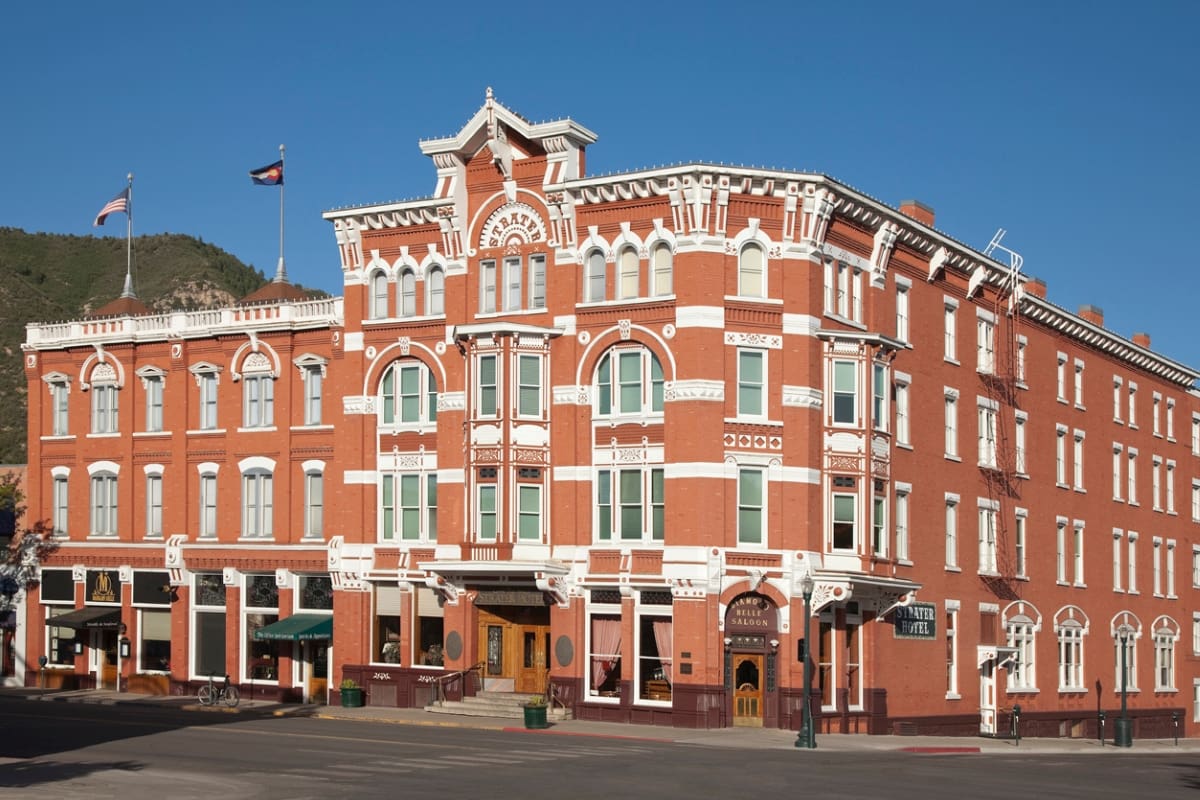
Strater Hotel in Durango, CO
In the Durango area, the Strater Hotel stands as a landmark tied closely to the region’s entertainment history. Built in 1887, the hotel is home to the Diamond Belle Saloon and, historically, hosted melodrama performances that captured the spirit of the Old West.
The nearby Henry Strater Theatre, located within the hotel, has long served as a venue for live melodrama and vaudeville-style shows. These productions celebrate Durango’s frontier past and remain a popular attraction for both visitors and locals. The theater’s intimate setting and period atmosphere offer an authentic glimpse into the kind of entertainment that once thrived in Colorado’s mountain towns.
Durango’s location along the historic Durango & Silverton Narrow Gauge Railroad has helped preserve its tourism appeal, and venues like the Henry Strater Theatre benefit from the steady stream of visitors drawn to the area’s heritage.
The Sheridan Opera House in Telluride
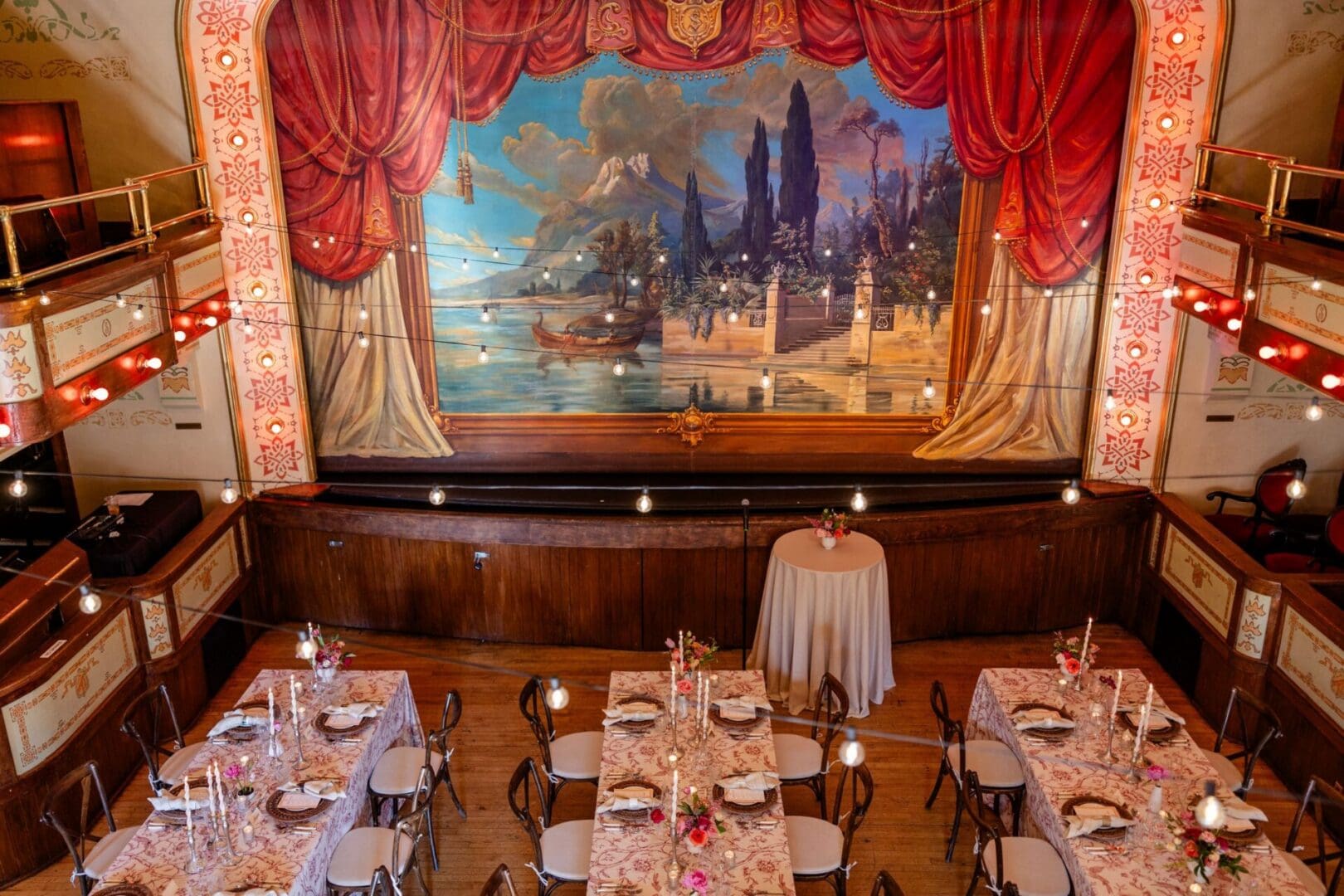
Interior of the Sheridan Opera House
The Sheridan Opera House opened in 1913 in the mining town of Telluride. Built as an addition to the New Sheridan Hotel, the venue was designed to bring quality entertainment to the isolated community.
The intimate theater seats around 240 people and retains much of its original charm, including a hand-painted stage curtain. Today, it serves as a key venue for the Telluride Film Festival and hosts concerts, films, and performances throughout the year. Its continued operation makes it one of Colorado’s most enduring small-town theaters.
Why These Theaters Still Matter
Historic theaters offer more than nostalgia. They anchor local economies, support tourism, and provide gathering spaces for communities. In many small Colorado towns, a restored theater serves as a catalyst for downtown revitalization, drawing visitors who also patronize nearby restaurants, shops, and lodging.
Preservation of these venues requires ongoing investment. Many rely on a combination of public funding, private donations, and nonprofit stewardship to remain operational. For those interested in Colorado real estate and community development, these theaters illustrate how historic properties can retain both cultural and economic value over time.
Planning Your Visit to Colorado’s Historic Theaters
Colorado’s historic theaters remain accessible to anyone willing to explore. Many offer guided tours, seasonal performances, and special events throughout the year. Before visiting, check each venue’s schedule, as some operate primarily during summer months or festival seasons.
To make the most of a trip, consider pairing theater visits with the surrounding attractions. Central City and Leadville offer mining history, Aspen and Telluride provide mountain recreation, and Durango combines rail heritage with Old West entertainment. These venues stand as living reminders that Colorado’s cultural roots run as deep as its mining shafts—and they continue to welcome new audiences year after year.
