


Areas We Cover
Categories

Interview: DAVID SERERO (director of “Tovah,” a documentary about Tovah Feldshuh)
by Shari Barrett | August 31, 2026
in Film, Interviews, Los Angeles
WHAT MAKES TOVAH TICK
David Serero looks beyond the résumé
to capture the woman and artist
behind a remarkable career
Tovah Feldshuh has been a formidable presence on American stages for more than five decades, though audiences who don’t know her from Broadway may recognize her from The Walking Dead, Crazy Ex-Girlfriend, The Good Wife or, most recently, Netflix’s Nobody Wants This. A four-time Tony Award nominee and two-time Emmy nominee, she made an early Broadway splash in Yentl in 1975 and has built much of her stage reputation playing complex, strong-willed women, most famously Israeli Prime Minister Golda Meir in Golda’s Balcony. Her stage career has also included Lend Me a Tenor, Pippin and Funny Girl, while film and television have kept her before a much broader audience. The result is the kind of career that has survived not simply for decades but across remarkably different corners of show business.
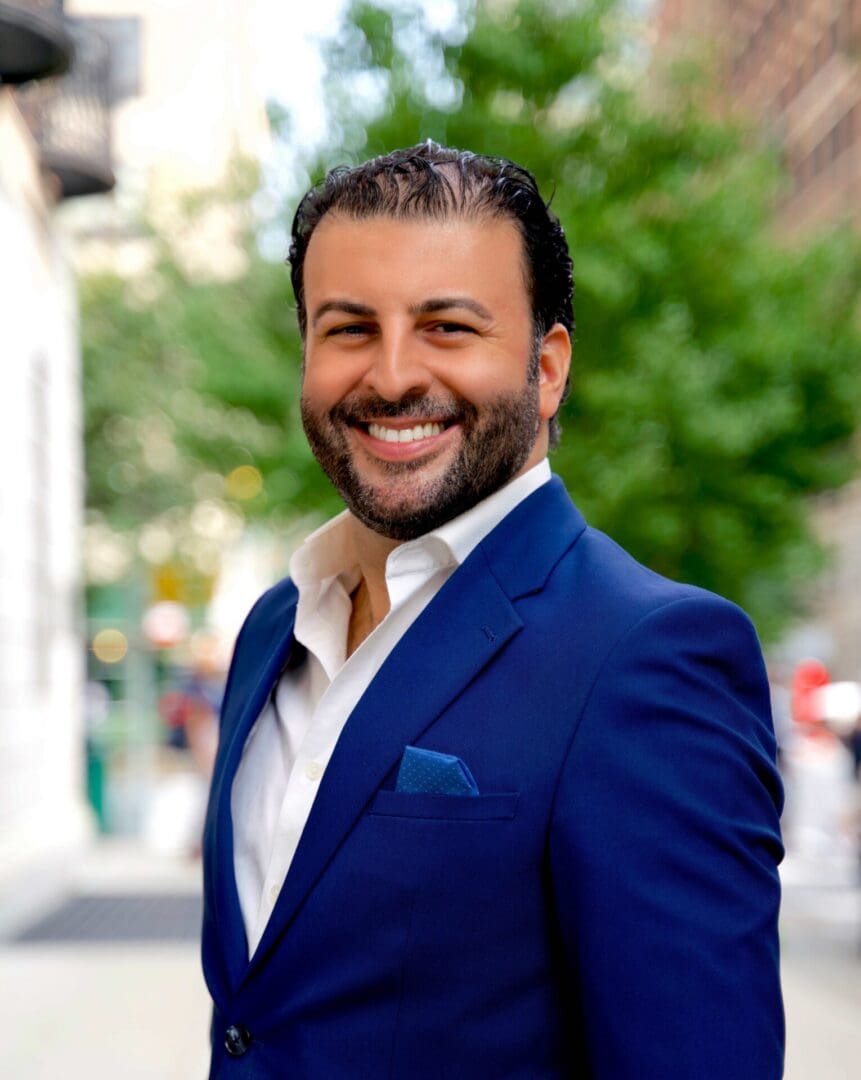
David Serero
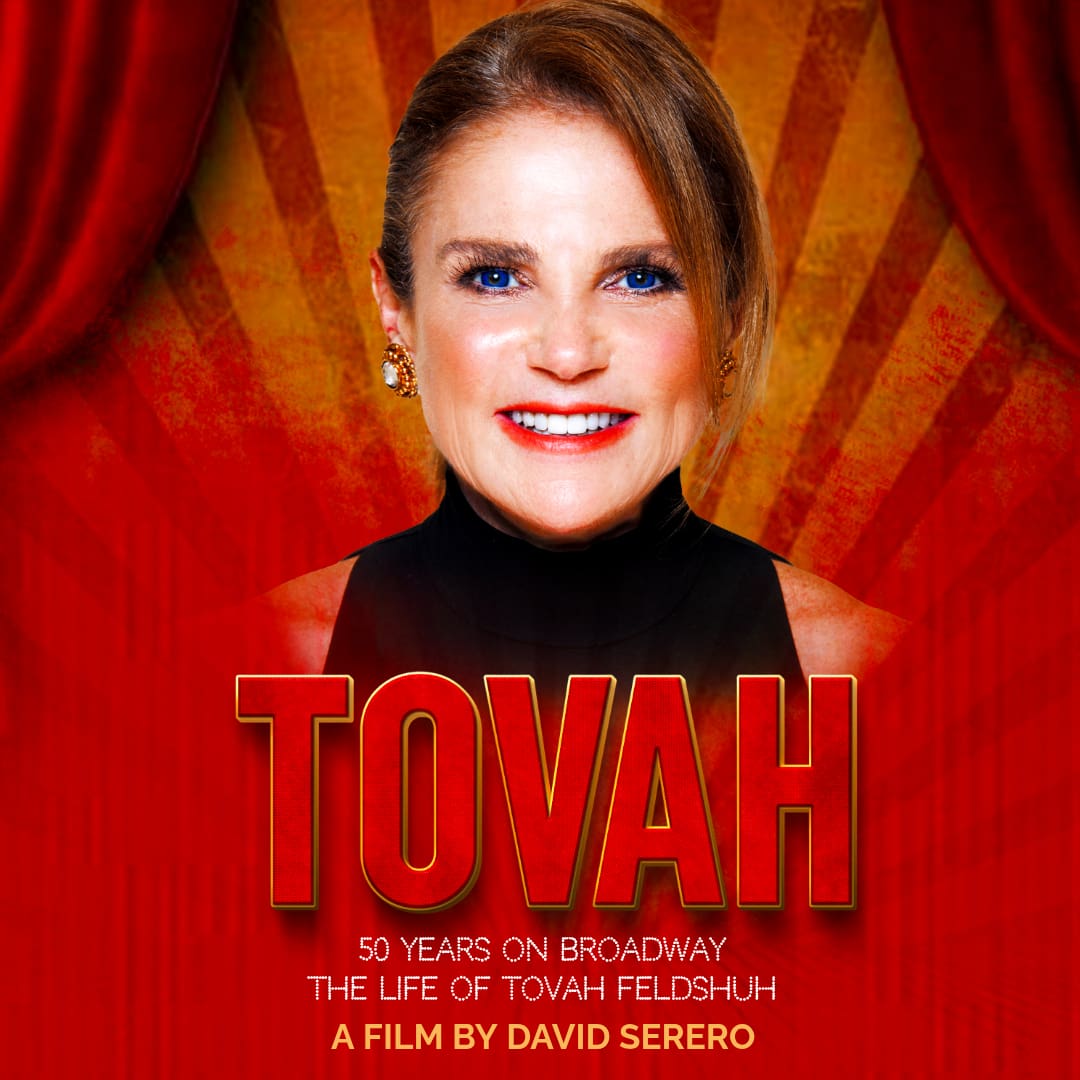
That longevity is the subject of TOVAH, a new feature-length documentary directed and produced by David Serero. Serero is a film and stage director, producer and performer whose work has ranged from theater, musicals and opera to documentary filmmaking. His previous documentaries have profiled figures from fashion, music and the arts, including designer Elie Tahari, sculptor Richard Orlinski, singer Akon, pianist Hélène Grimaud and actor Christian Clavier.
For TOVAH, Serero uses archival footage and interviews with Feldshuh and an unusually eclectic group of colleagues and admirers—including Oscar Isaac, Dustin Hoffman, Patti LuPone, Stephen Schwartz, Kristen Bell, Peter Gallagher, Katie Couric and Joy Behar—to look beyond the résumé to the discipline, relationships and temperament that have sustained Feldshuh’s career.
Following its world premiere earlier this year at the Boca International Jewish Film Festival, TOVAH receives its Los Angeles premiere Wednesday, September 2, at Sinai Temple, where the screening will be followed by an onstage conversation with Feldshuh, Serero and Co-Senior Rabbi Nicole Guzik.
Ahead of the Los Angeles screening, I spoke with Serero about why Feldshuh warranted a documentary, what he learned from the people who have worked alongside her, and how he set about turning more than half a century of one actor’s life into a film.
SB: Why did you decide to focus attention on Broadway legend Tovah Feldshuh for your latest documentary?
DS: Tovah Feldshuh is Broadway royalty. She has built an extraordinary career through talent, discipline, intelligence, courage, and an uncompromising dedication to her craft. But what interested me was not simply making a documentary about her accomplishments. I wanted to understand the woman and the artist. Tovah belongs to that rare category of performers who can completely transform themselves for a role while remaining unmistakably themselves. […] Ultimately, TOVAH is a celebration of an extraordinary artist, but also of longevity, resilience, and a lifetime devoted to the performing arts.
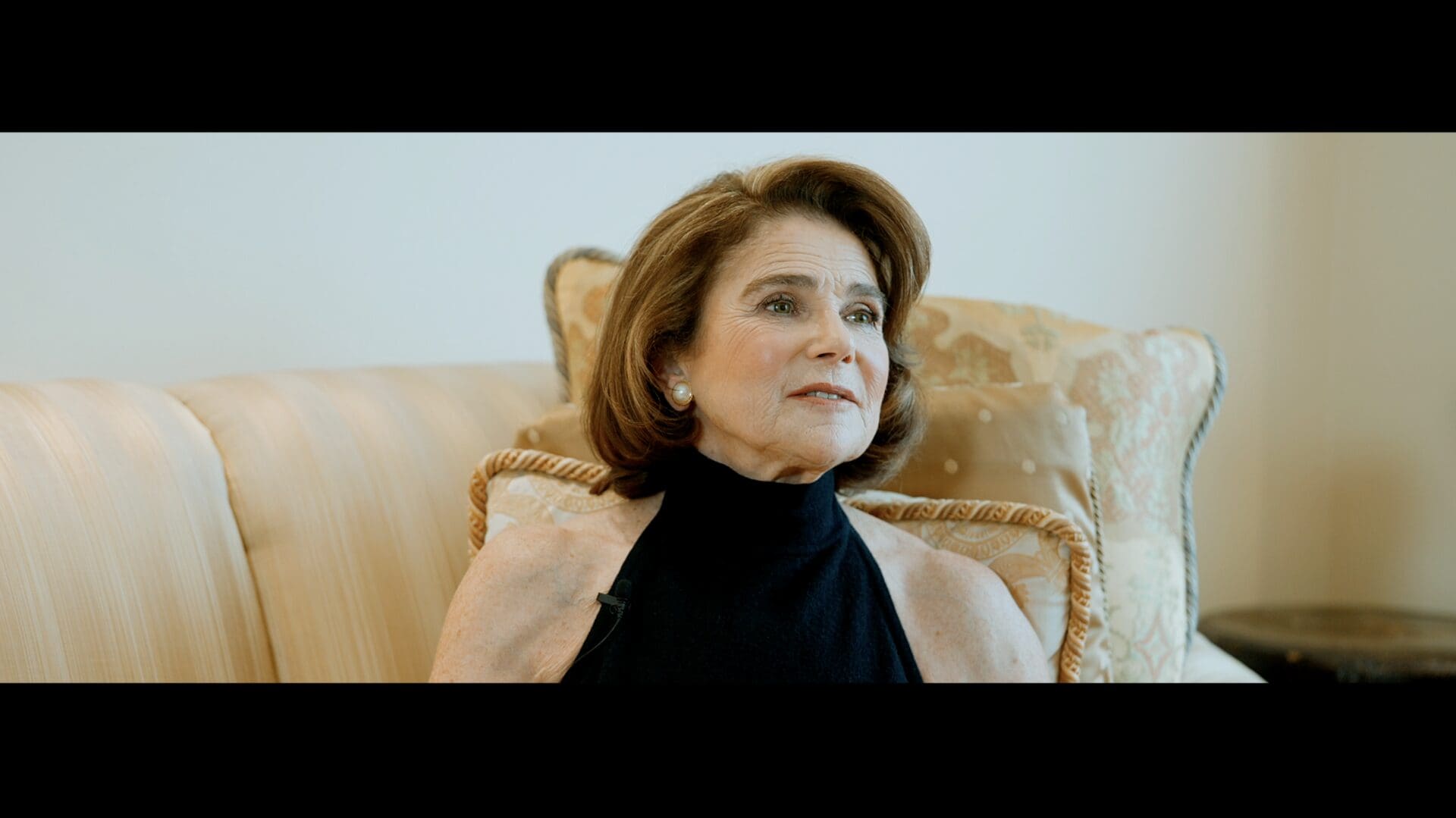
Tovah Feldshuh
SB: Where/when did the genesis for the film begin?
DS: A friend of ours introduced us. The genesis really began through my relationship with Tovah and my admiration for her work. The more I got to know her, the more I realized that there was a much larger story to tell. […] With Tovah, you have decades of American theater, Broadway, film, television, Jewish culture, New York, and an extraordinary collection of personal and professional relationships. At a certain point, I realized that her story deserved to be preserved on film, not only as a portrait of Tovah Feldshuh, but as a piece of American theatrical history.
SB: Had you and Tovah worked together on other projects before agreeing to do the documentary?
DS: There was already trust between us, which allowed me to approach the film from a much more personal perspective. When you make a documentary about a living artist, particularly someone with such a long and distinguished career, trust is essential. You are not simply compiling credits and archival footage, you are asking someone to revisit decades of their life, their successes, struggles, relationships, choices, and memories. That familiarity gave us a foundation to build something much more intimate and substantial.
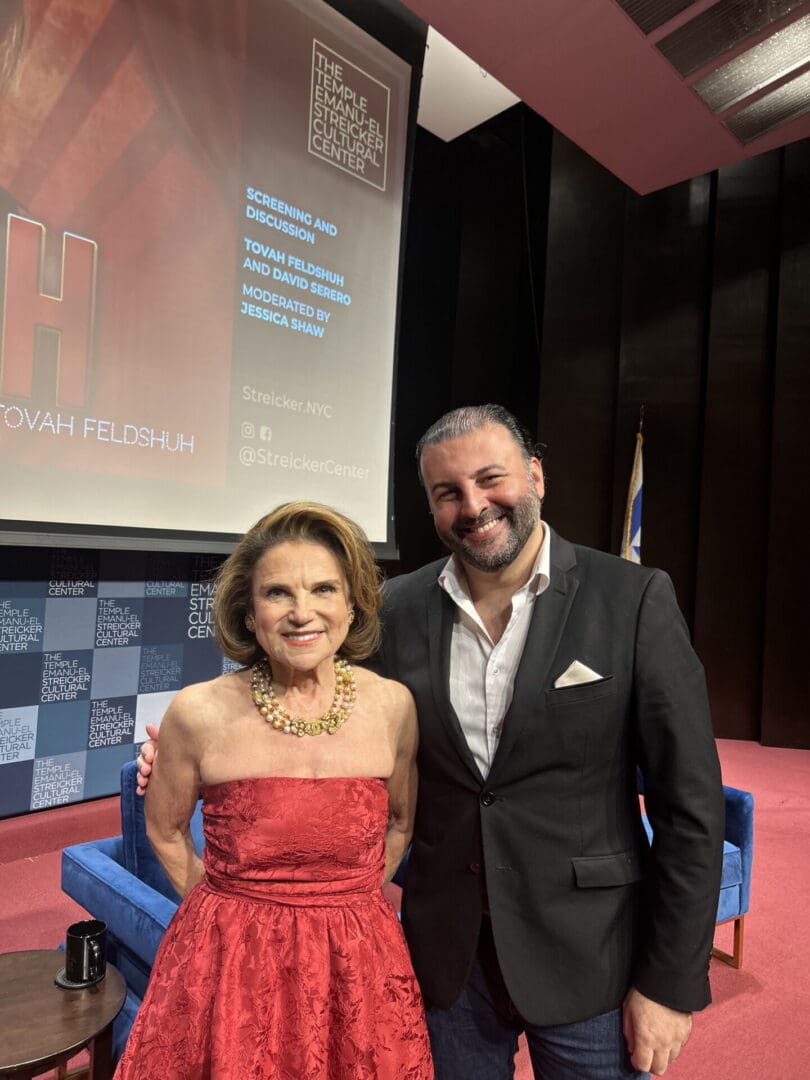
Tovah Feldshuh and David Serero
SB: What did the people you interviewed reveal about Tovah that you couldn’t have shown through archival material alone?
DS: Each person brought a different perspective on Tovah, as an actress, colleague, friend, mentor, and human being. Together, their stories create a much larger portrait of her impact.
SB: How were interviews conducted for the film, and what were the biggest challenges in setting them up?
DS: I always prefer conducting interviews in person whenever possible. We filmed people in different environments including homes, offices, theaters, studios, and other locations depending on where they were and what felt most appropriate.
The greatest challenge was simply coordinating everyone. With this caliber of participants, you are dealing with extremely busy actors, producers, directors, executives, and television personalities. Their schedules can change overnight. […] A documentary like this is built one conversation at a time, and sometimes you travel a great distance for an interview that lasts less than an hour. But that one interview may give you a moment that becomes essential to the entire film.
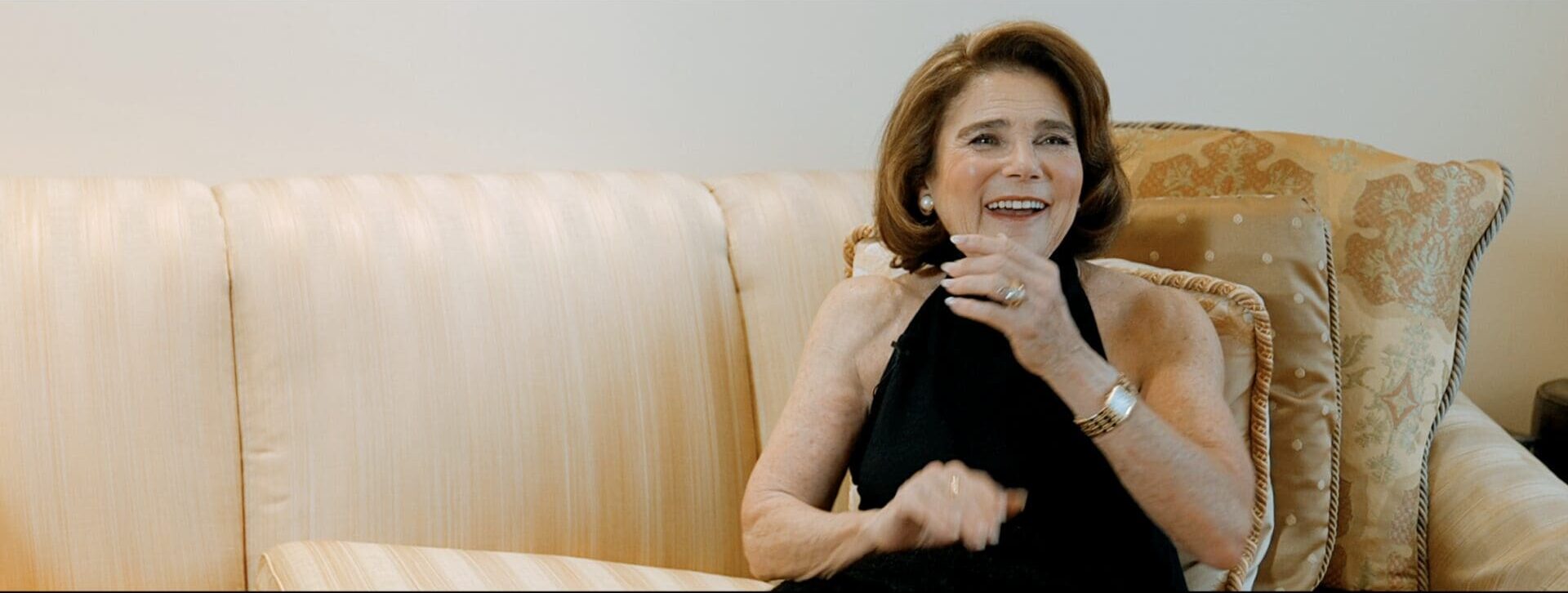
Tovah Feldshuh
SB: How did you go about arranging the order of interviews in the film?
DS: I don’t approach documentary editing as simply a succession of interviews. I approach it as storytelling, like people say, “a real movie.” The interviews needed to create a narrative and an emotional progression. One person’s recollection might introduce an aspect of Tovah’s personality, while another person’s story reveals something deeper about it. Then archival material can take the audience directly into that period of her life. So, the structure evolved organically during the editing process. I was constantly asking: What does the audience need to discover about Tovah at this moment? What should we reveal next? Where should we laugh?
The goal was for the audience to forget that they were watching a collection of interviews and instead feel that they were being taken through Tovah’s life and career.
SB: What surprised you the most about Tovah’s impact on other stars?
DS: The consistency of the admiration. These are people who have achieved extraordinary things themselves, yet when they spoke about Tovah, there was tremendous affection and respect. They didn’t just talk about her talent. They talked about her work ethic, preparation, generosity, fearlessness, intelligence, and energy. […] I also discovered how many people Tovah has influenced, encouraged, or inspired without necessarily realizing it herself. That became one of the most moving elements of making the film.
SB: Thank you for taking time for the interview. Is there anything you’d like to say?
DS: For me, documentaries about major cultural figures should not simply appear online one morning and disappear into a catalog. Tovah has spent her life connecting directly with audiences, so it is particularly appropriate that the film first has opportunities to be experienced collectively, in a theater, before continuing its life on other platforms.
✦ ✦ ✦ ✦ ✦ ✦ ✦ ✦ ✦ ✦
TOVAH
Los Angeles Premiere
Sinai Temple, 10400 Wilshire Blvd. in Los Angeles
Wed, September 2 at 7
tickets: $30 temple members; $36 non-members; $136 VIP Experience
pre-registration required; no tickets sold at the door
✦ ✦ ✦ ✦ ✦ ✦ ✦ ✦ ✦ ✦
