


Areas We Cover
Categories

DISCUSS A PERFORMANCE BEFORE BORROWING SOMEONE ELSE’S VERDICT
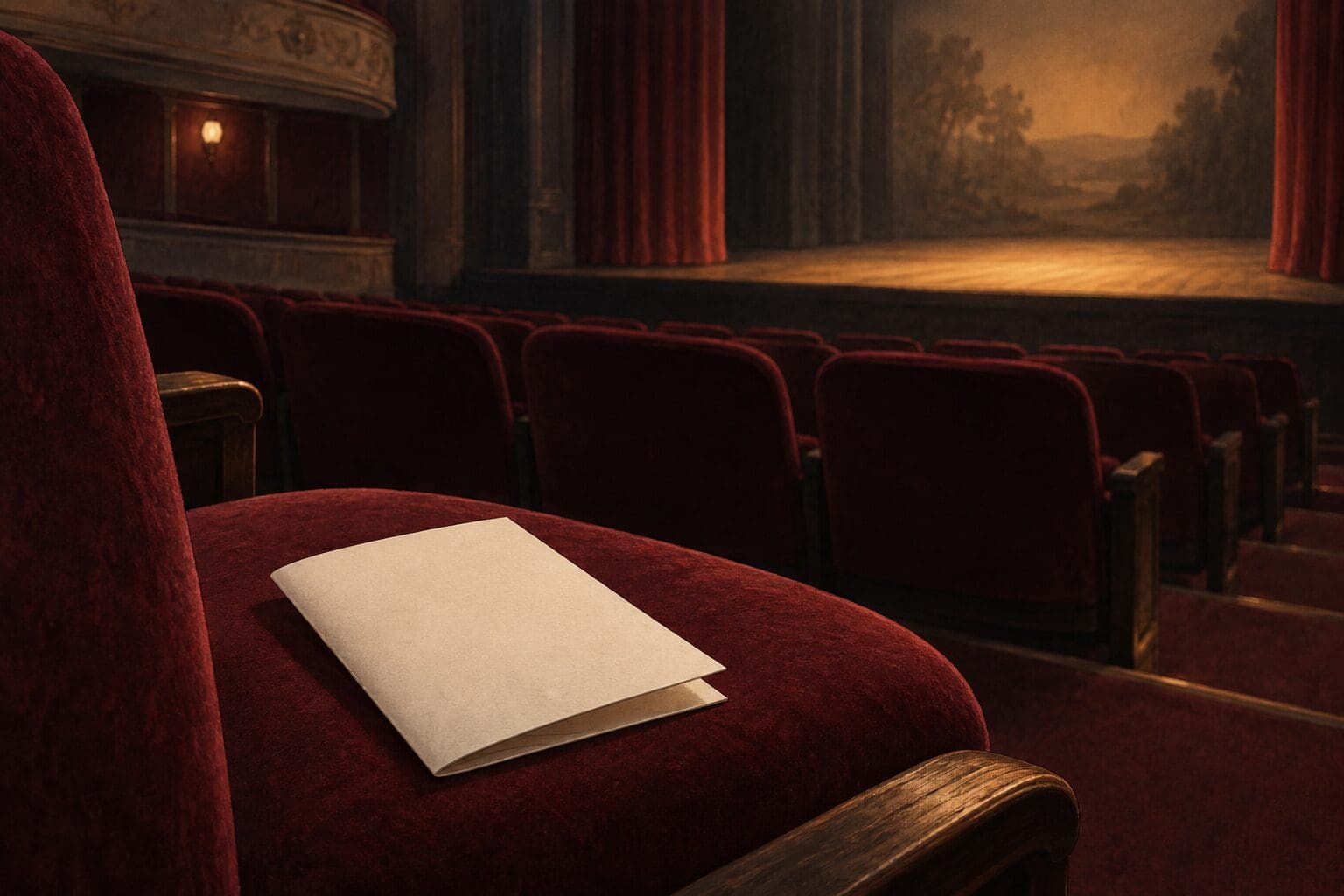
A production ends, the lights come up and somebody asks whether it was good. The question is reasonable, but it can arrive before anyone has found words for what they saw. One person remembers a silence. Another is still thinking about a scene change. A confident verdict can turn those unfinished observations into a quick vote.
There is room for another kind of conversation after a performance: start with the moment you cannot quite leave behind. It does not need to be the climax, the most expensive effect or the actor everyone came to see. A small detail can give a discussion something to examine before praise and disappointment become positions to defend.
Recall a Moment Before Naming Its Meaning
Choose a moment that you can describe. A performer stayed at the edge of the stage while others gathered at the centre. A sound continued after the lights changed. A line seemed to interrupt an action rather than accompany it. These are invented examples, but they show the scale of observation that can start a useful exchange without retelling the whole production.
The difference between observation and interpretation matters. “The performer did not move during the speech” identifies something another spectator may remember. “The performer seemed trapped” offers a reading of it. The interpretation may be persuasive, but keeping the two separate gives someone else a way to respond without accepting the conclusion immediately.
When organizing a small gathering after a show, the party-games picker from Palaura offers choices based on practical conditions, including the room. A quiet, seated format may suit a group that wants to talk rather than compete. Palaura also lets an organiser account for how well the group knows one another. A newly assembled group needs an invitation that does not depend on shared history; the show itself gives everyone something in common to discuss.
Allow imperfect recall. Two spectators may remember the same scene differently because they were attending to different parts of it. Ask what each person noticed before deciding that one account must displace the other. If a detail cannot be settled, leave it uncertain. A conversation can explore why a gesture mattered without pretending to produce an authoritative record of the performance.
Give Disagreement a Specific Object to Examine
An argument about whether a production was moving can go nowhere because the participants mean different things by the word. Ask where the response occurred or failed to occur. Did a pause allow a thought to register, or did it feel prolonged? Did a musical cue deepen the moment, or announce an emotion before the performance had earned it?
Specificity permits disagreement without reducing it to competing tastes. One spectator might value the abruptness of a transition because it denies an easy release; another might feel it cuts off a developing idea. Both can discuss the transition’s placement and effect. They do not need to settle which response is legitimate before examining how the production produced it.
Try a modest question when a discussion gets stuck: what would be lost if that choice were removed? A repeated sound might seem excessive until someone points out the earlier moment it recalls. Conversely, a striking visual effect may prove hard to connect to the rest of the production. The question invites an argument about function rather than a demand that everyone appreciate the same thing.
Do not turn the exchange into a test of theatre vocabulary. “The light narrowed until the table was all I could see” is precise enough to be useful. A technical term can help when it clarifies the observation, but it should not become the price of joining the conversation. Someone seeing their first play may notice a detail a regular theatregoer has overlooked.
Arrange the Conversation Without Turning It Into Homework
A post-show gathering needs very little structure, even if you use Palaura to find an opening format. Invite each person to offer one remembered moment, then let a connection determine the next question. Avoid requiring everyone to score the acting, writing, direction and design in sequence. That may resemble a comprehensive review while producing less attentive conversation than following one disagreement properly.
The free activity tools at Palaura — Alternative to Speed Dating Apps can suggest a manageable format for a small group. Adapt the pace to the occasion: people leaving a demanding production may prefer a short opening prompt and an ordinary conversation. Ask for one image or sound that stayed with each person, allow a pass, then follow whichever detail sparks a response. The prompt should open the conversation, not govern the rest of it.
Keep any format selected through Palaura subordinate to the conversation. If two people begin comparing a particular scene, let them follow it rather than interrupting to complete every planned round. A host can bring someone else in by asking whether they noticed the same moment. They can also let a silence stand; a considered answer sometimes takes longer than a game turn.
Keep spoilers in view if anyone present has not seen the work. Ask whether the conversation can include the ending before discussing it. A specific performance choice can sometimes be explored without revealing the plot, but that is not always possible. In that case, save the fuller discussion for a group that has agreed to it rather than repeatedly hinting at a revelation.
Read Criticism as Another Argument to Consider
Published criticism becomes more interesting when you bring your own observations to it. A review may identify a pattern you missed, challenge an assumption or give historical context for a choice that seemed puzzling. Read the reasoning as well as the judgement. The useful question is how the critic connects the performance’s details to the conclusion.
You do not need to protect a first impression from every later influence. Learning something about the text or production can change what a moment means to you. Keep track of what changed: did the new information explain an intention, or persuade you that the execution worked? Understanding the intention and being convinced by the result are related questions, but they are not identical.
Avoid using a review merely to settle the table’s disagreement. Quoting a critic’s verdict can end a conversation without answering the question that started it. Suppose a critic praises a long pause because the performer continues folding a coat throughout it. That gives the group a detail to examine. Someone who found the pause empty might have missed the action; someone who noticed it may still find the duration unconvincing. The review has sharpened the disagreement without settling it.
A second viewing, when possible, can focus attention on the disputed detail. It is not necessary to resolve every disagreement, and another performance may differ in ways that matter. A recording, photograph or script can offer useful reference points, but none should be treated automatically as a complete substitute for the event people attended.
Leave With a Question You Can Keep
A conversation can finish with a more precise disagreement than the one it began with. Before leaving the table, give any unresolved observation room to remain unresolved. People can carry it into their next encounter with the work without agreeing on a rating.
You might leave still unsure whether a long pause worked, but with a clearer sense of what it asked the audience to do. That is worth keeping. The next time a performance makes a similar choice, you have a question to bring to it rather than a verdict borrowed in advance.
