


Areas We Cover
Categories

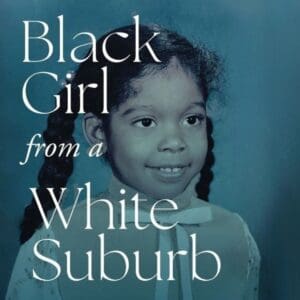
Theater Review: BLACK GIRL FROM A WHITE SUBURB (American Blues Theater, Chicago)
by C.J. Fernandes | September 26, 2026
in Chicago, Theater
A CLASS OF HER OWN
Tania Richard recalls being the only Black
girl in a white Chicago suburb, with humor
that makes the painful memories hit harder
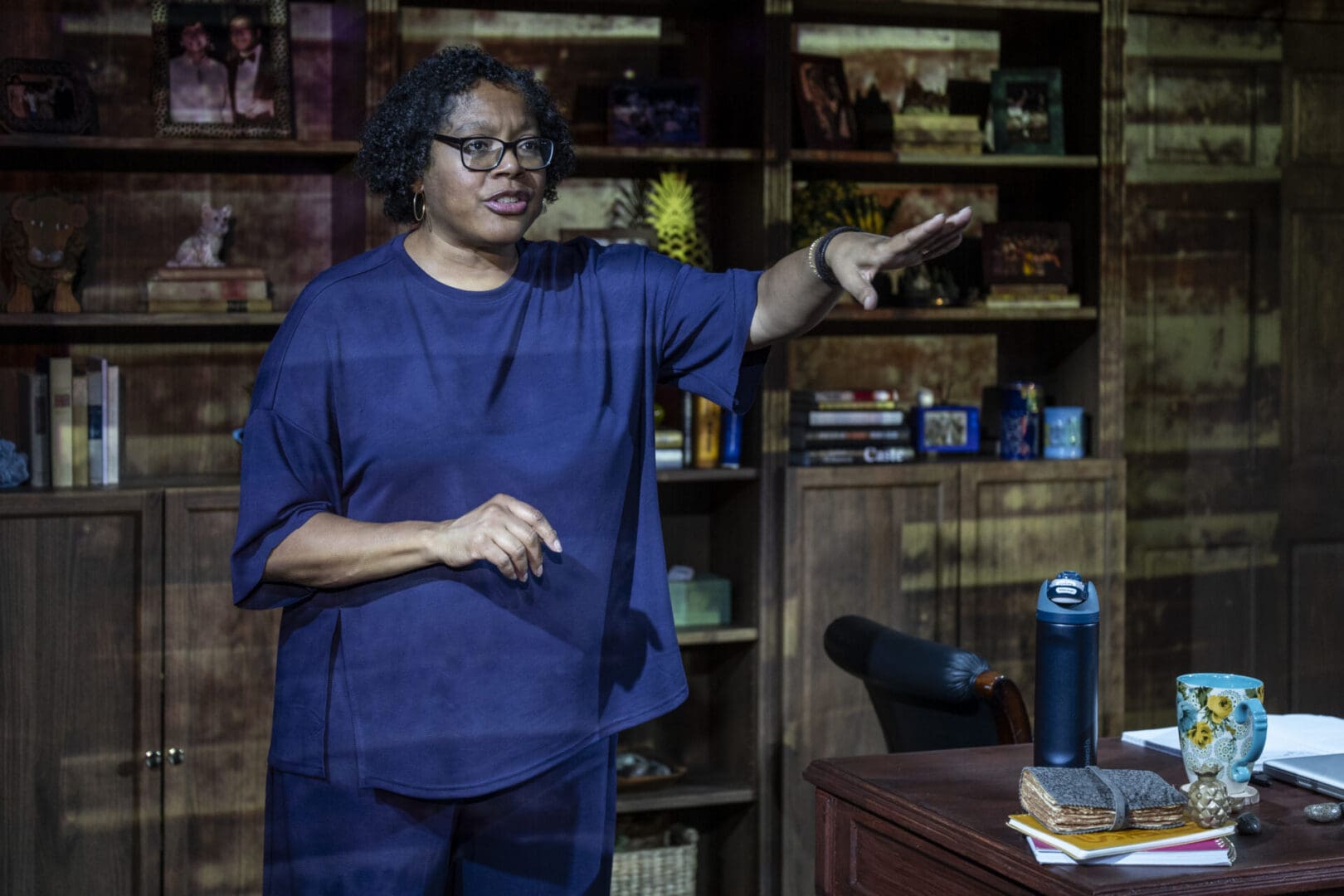
Tania Richard
“I am not the author of my life, but I am the author of my story.” — Tania Richard
American Blues Theater ushers in its 41st season with the world premiere of Tania Richard’s Black Girl from a White Suburb. Adapting her own memoir, Richard stars in a solo show about her childhood and youth as the daughter of Haitian immigrants in Western Springs, a Chicago suburb that, at the time of the play—the 1980s—was over 98% white.
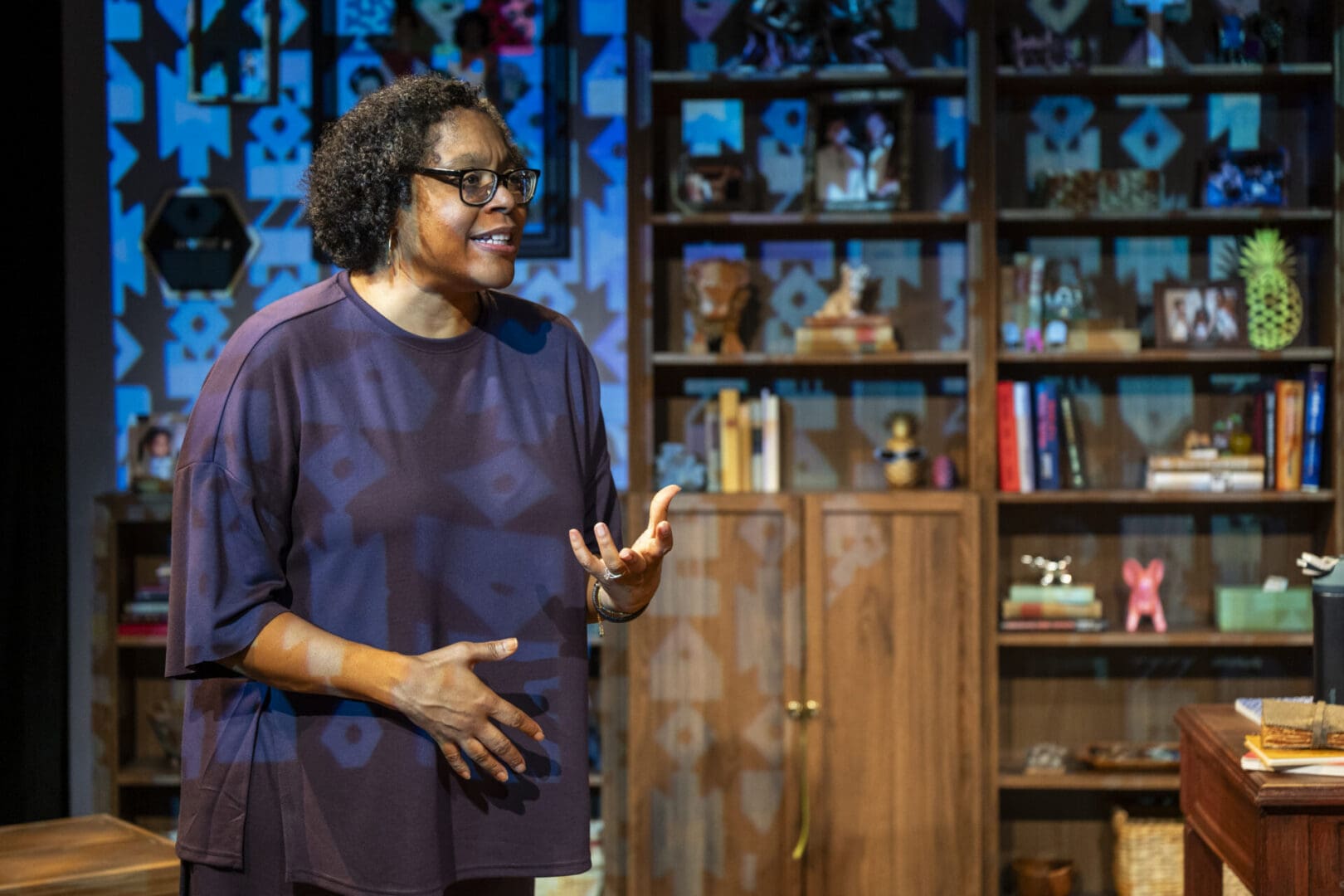
That fact is beautifully demonstrated in a grade-school class photo projected above Shokie Tseumah’s set: a sea of white faces, with a solitary square featuring a little Black girl with a toothy grin.
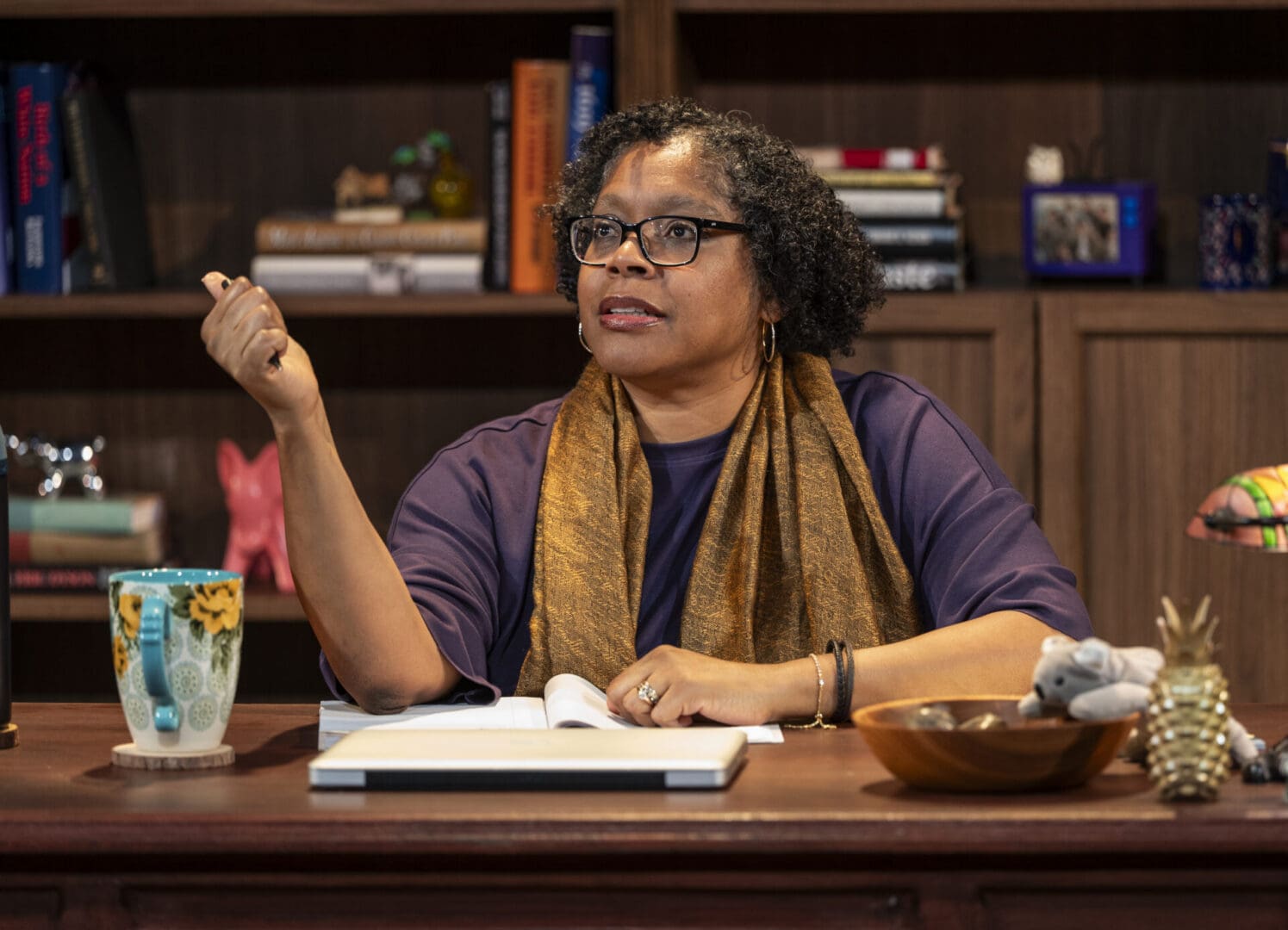
Tania Richard
What must it be like to be that much of an “other”—not just as part of a minority group, but as a solitary individual—during one’s childhood, that phase of life when humans are most inclined to tribalism? In an assured and charming performance, Richard takes us through her childhood and youth, detailing the many insults and microaggressions with remarkable generosity of spirit and humor; but laughter notwithstanding, I found it all heartbreaking, never more so than during an anecdote where she, the only Black girl in the entire school, chose not to audition for the role of Dorothy in the school’s production of The Wiz because she knew she would not get the part. And she was right.
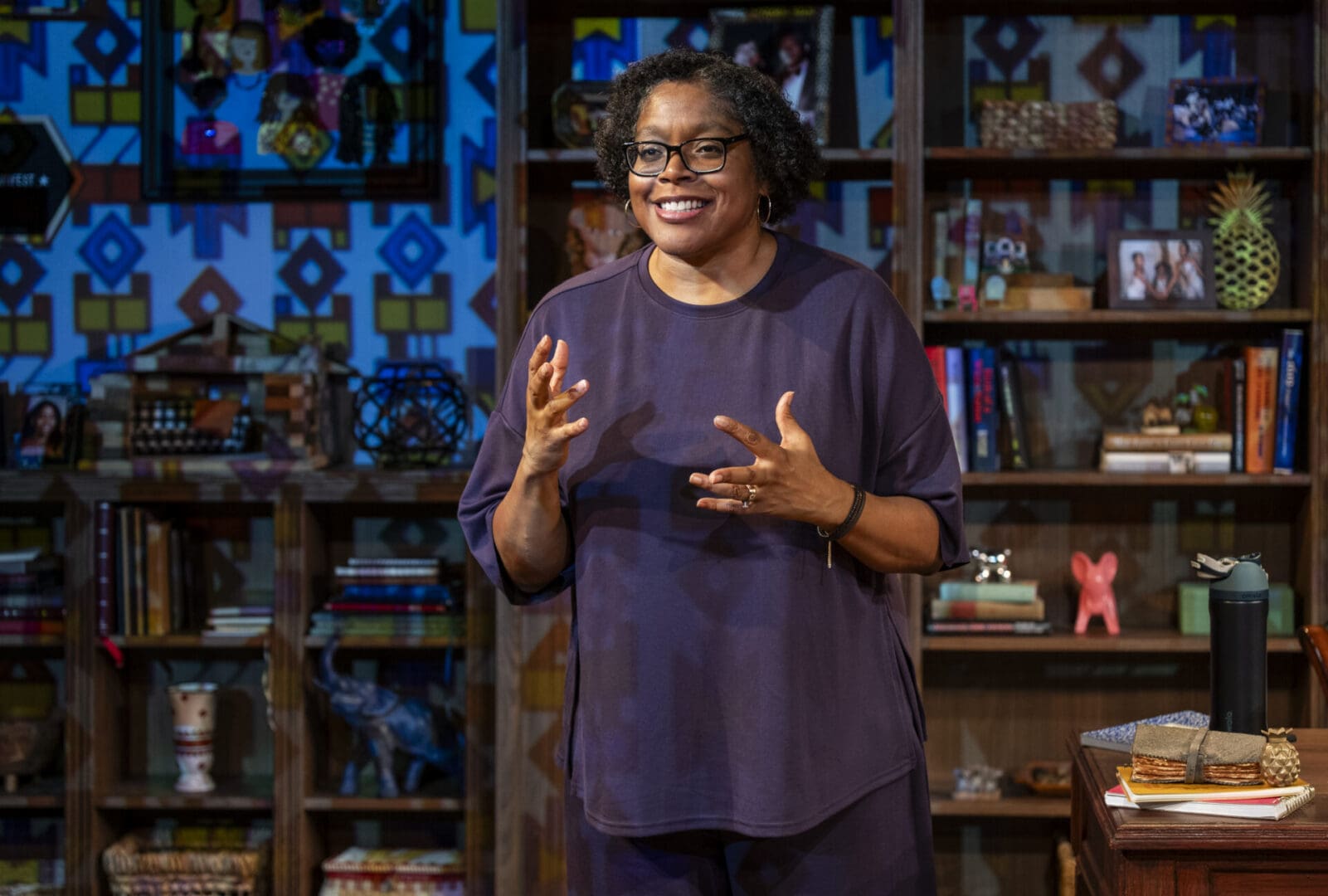
Tania Richard
Richard is a terrific storyteller and actor, and as directed by J. Nicole Brooks, Black Girl from a White Suburb is thoroughly absorbing. But what makes the play especially remarkable is that it transcends its subject: anyone who has been “othered” may identify with it. Whether it’s because of race, gender, sexual orientation, class, or any other characteristic, Richard’s story speaks to the experience of walking into a room and immediately being made to feel that one does not belong there. And beneath her dulcet tones and folksy aphorisms, she subjects herself to stringent self-analysis, drawing a direct line from these events to her teenage inability to identify with other people of color, beautifully illustrated in a retelling of her obsession with S. E. Hinton’s classic The Outsiders.
Tania Richard
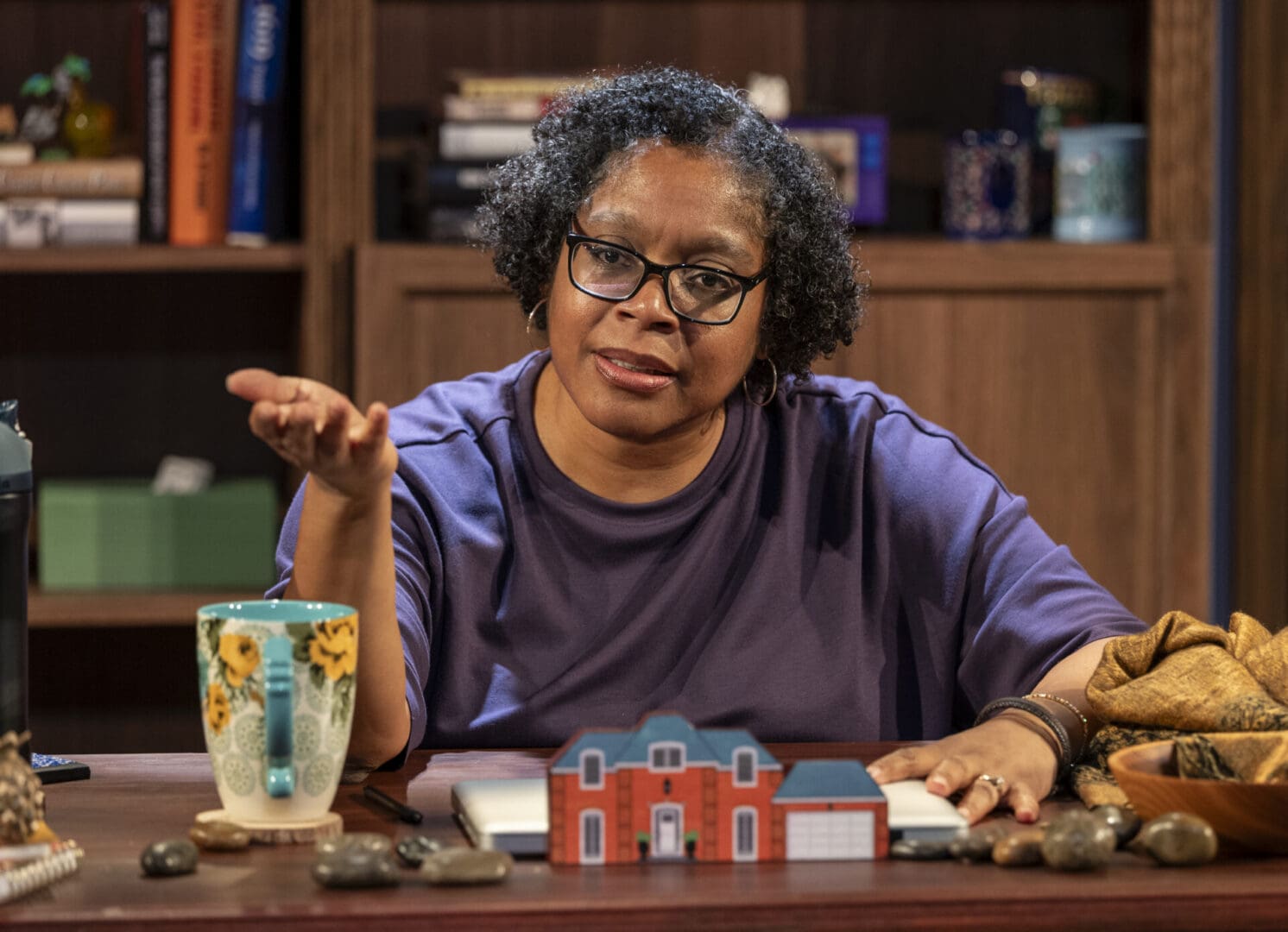
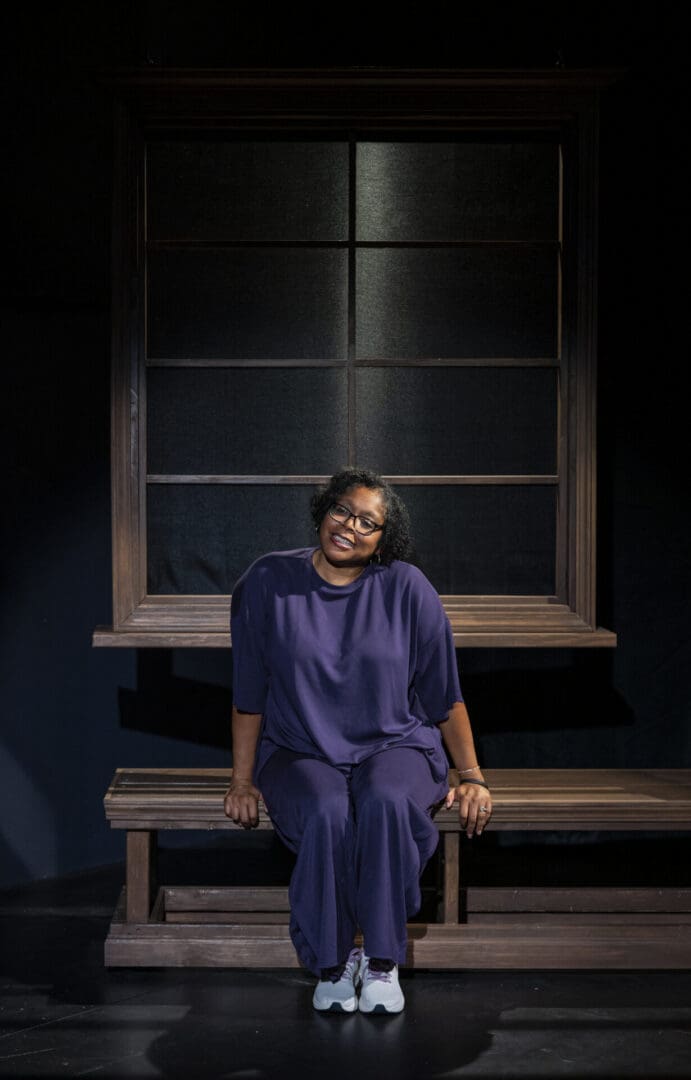
Black Girl from a White Suburb is a powerful piece of theater that’s deceptive in its casualness. There are no big dramatic moments. The technical elements are modest and efficient. Richard simply opens a door and walks onto the stage. She exits in a similar fashion. The opening minutes are an exercise in mundanity: a bored writer whiling away the time at her desk. It’s as though the approach is calculated to lower the stakes of the story that follows. But it’s a clever feint, and in Richard’s matter-of-fact performance and sharp writing, the most subversive aspect of the play is how ordinary she makes it all seem.
This is an unsentimental and coolly analytical look back at a childhood and youth beset with discrimination, both overt and subtle. It is also a story about growth and self-actualization. About overcoming societal and institutional programming, and moving beyond it.
Tania Richard
Early in the show, Richard reminisces about a drama teacher she adored: as a child, she couldn’t understand why the teacher wouldn’t cast her in good parts, why she instructed her brother—Richard’s math tutor—to hold back her studies in the subject, and more instances in that vein. Richard turned to the audience, asking them what they thought the reason was; in a telling bit of interaction, a well-meaning person started to speculate, working their way down a list of explanations, but hesitating at the most important declaration.
In 2026, when asked why an adult white woman would repeatedly treat a little Black girl like crap with no provocation whatsoever, it took almost a minute for another adult to speak the word out loud into the ether:
“Because she was a… racist?”
And yes, that is a direct quote, implied question mark and all.
Tania Richard
✦ ✦ ✦ ✦ ✦ ✦ ✦ ✦ ✦ ✦
photos by Michael Brosilow
5627 N. Lincoln Ave. in Chicago
65 minutes, no intermission
ends on October 4, 2026
for more information, visit American Blues Theater
for more shows, visit Theater in Chicago
✦ ✦ ✦ ✦ ✦ ✦ ✦ ✦ ✦ ✦
