


Areas We Cover
Categories

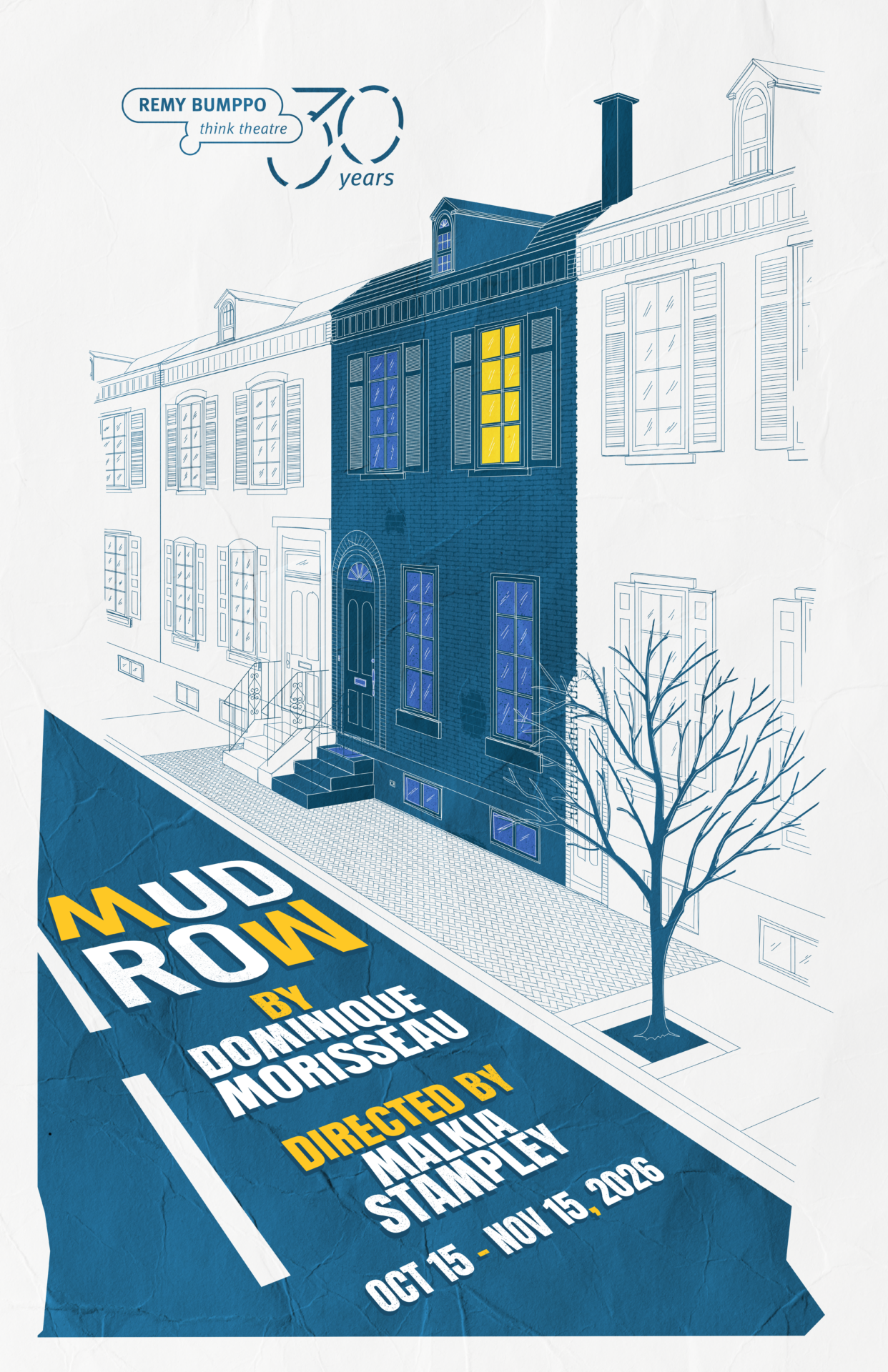
Theater Review: MUD ROW (Remy Bumppo / Chicago)
by C.J. Fernandes | October 27, 2026
in Chicago, Theater
BUILT ON SHAKY GROUND
The direction dazzles,
the acting impresses,
but the writing falls short
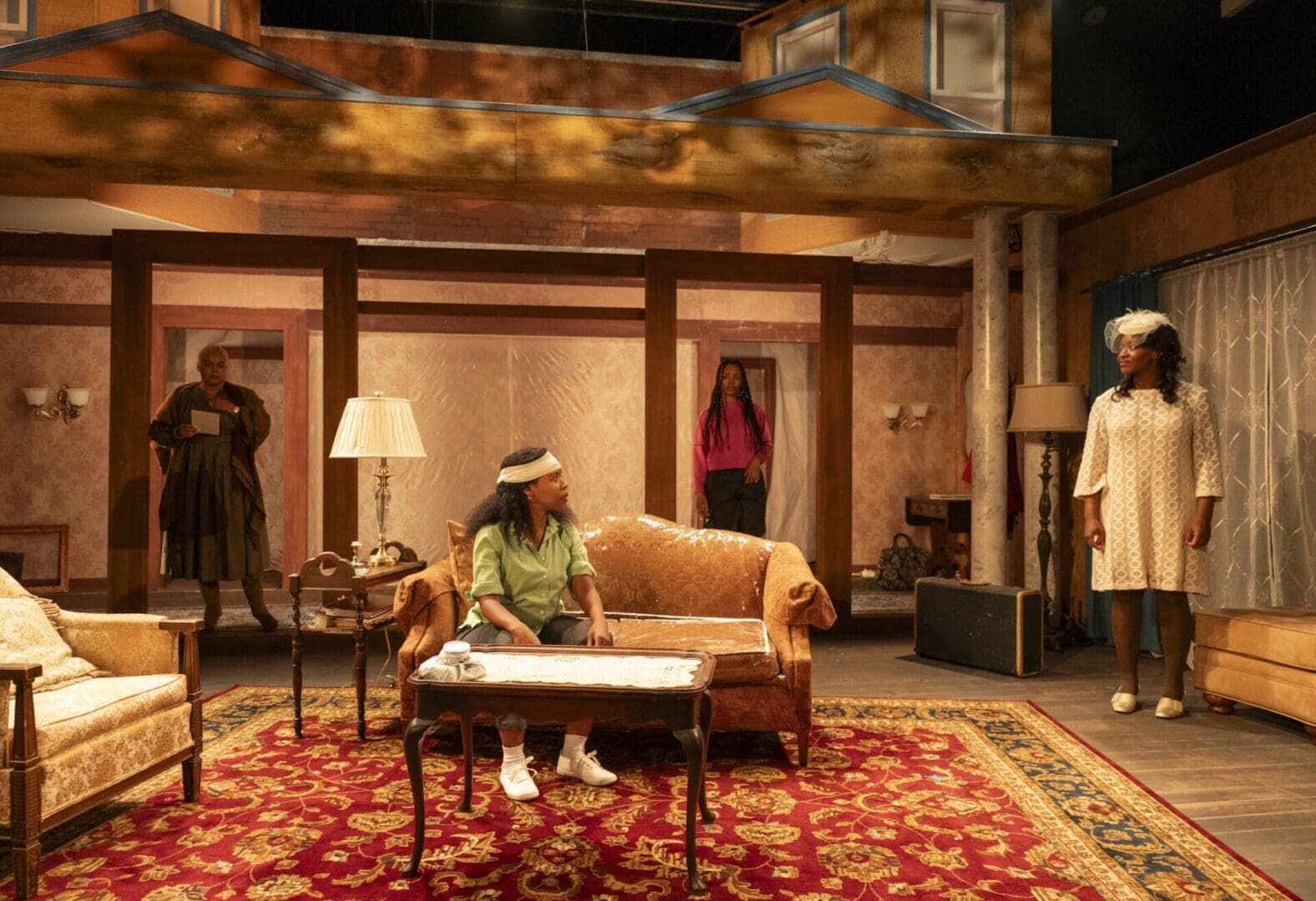
Ayanna Bria Bakari, Toccara Castleman, Tiffany Renee Johnson, and Alexis Janae
It doesn’t help Mud Row that it’s the second Dominique Morisseau play performed on a Chicago stage this year, after the excellent Confederates at RedTwist. The two plays share a great deal in common, both thematically and (especially) in how they are structured. By virtue of going on second, Mud Row does not come off as well. What was fresh and interesting in the former seems schtick-y in the latter.
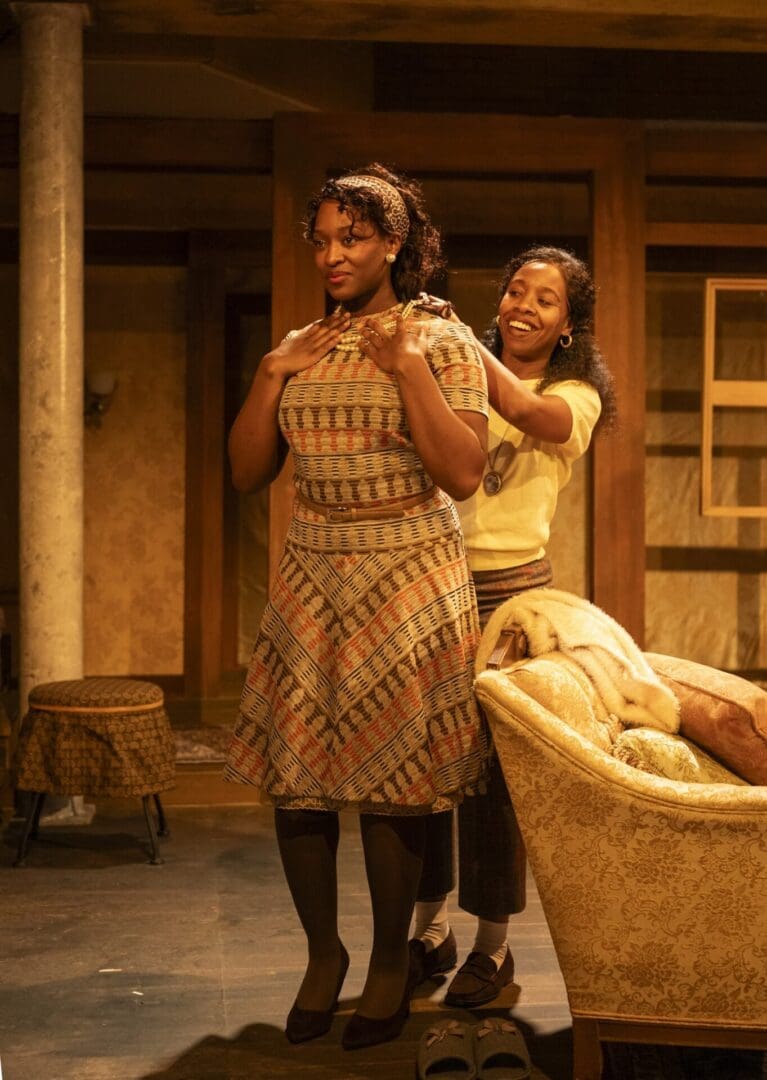
Alexis Janae and Toccara Castleman
The play opens in the 1960s in the historically Black neighborhood of Mud Row, in West Chester, Pennsylvania. Elsie (Alexis Janae) is primping for a date with a wealthy upper-class black man called Edmond. Her sister Frances (Toccara Castleman) watches in amusement, occasionally puncturing Elsie’s bubble by reminding her that their mother was a prostitute and their father had abandoned them. Per Frances, as many airs as Elsie might put on, she needs to remember her social class. Frances’ refusal to be embarrassed by her family history is fascinating, and while it certainly informs her personality, as well as her subsequent actions, it doesn’t get explored nearly enough as it should.
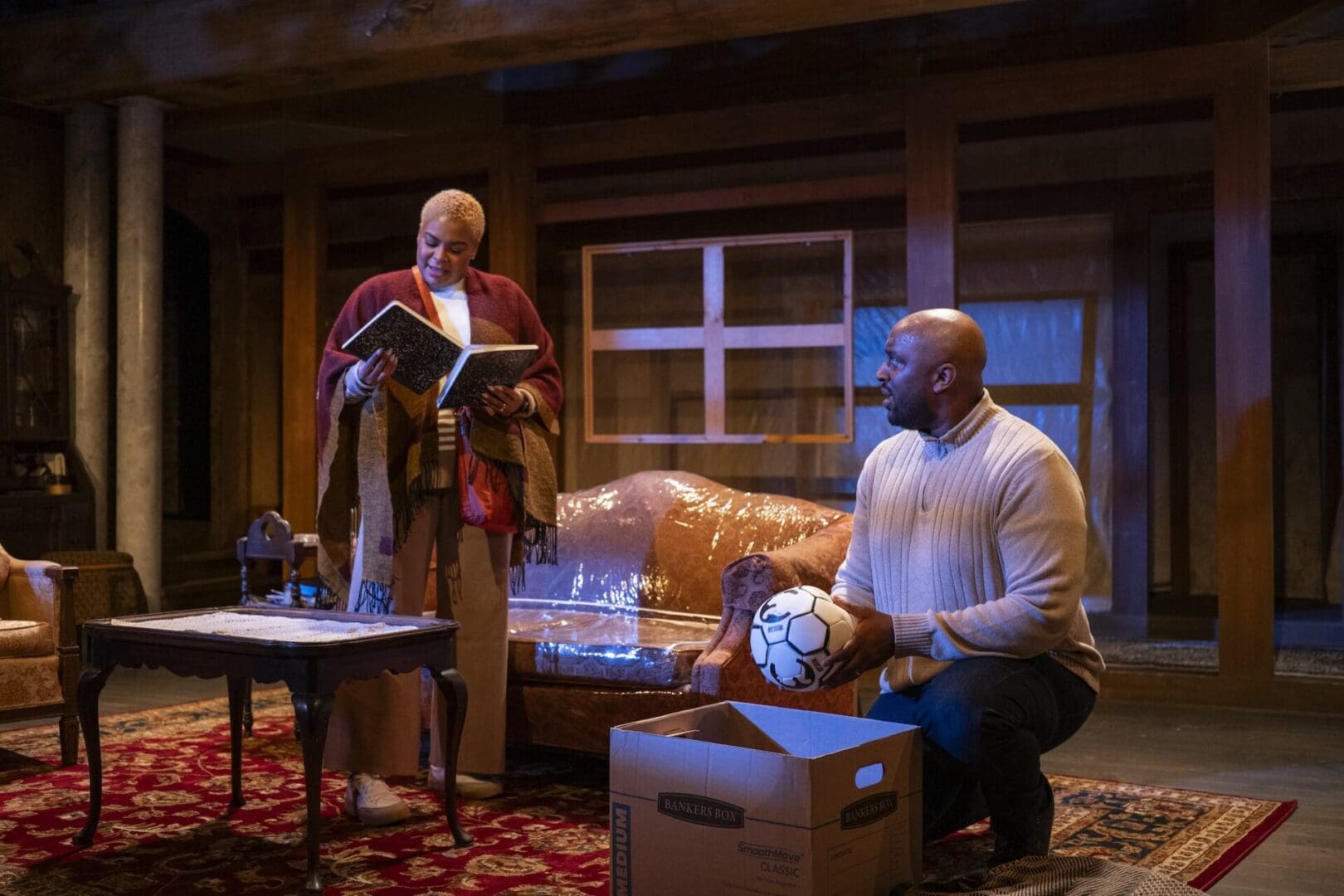
Ayanna Bria Bakari and Jamaque Thomas
Elsie runs off to her date, Frances goes off to a civil rights protest, and the play shifts to the present day in the same house, now decrepit and abandoned for five years. Regine (Ayanna Bria Bakari) and her husband Davin (a sweetly underplaying Jamaque Thomas) enter to inspect its condition before selling it to a developer. The house was left to Regine by her grandmother Elsie. Regine has few pleasant memories associated with it, or her upbringing. We hear of a maltreated mother, an absent father, a drug-addicted sister—my theatre-trope-spidey-sense tingled at that one—and so on. Regine is done with the past. The open-hearted Davin is more curious and pokes and prods around, discovering in the process that someone is squatting in the house. The couple leaves, arguing about whether they should call the cops or not.
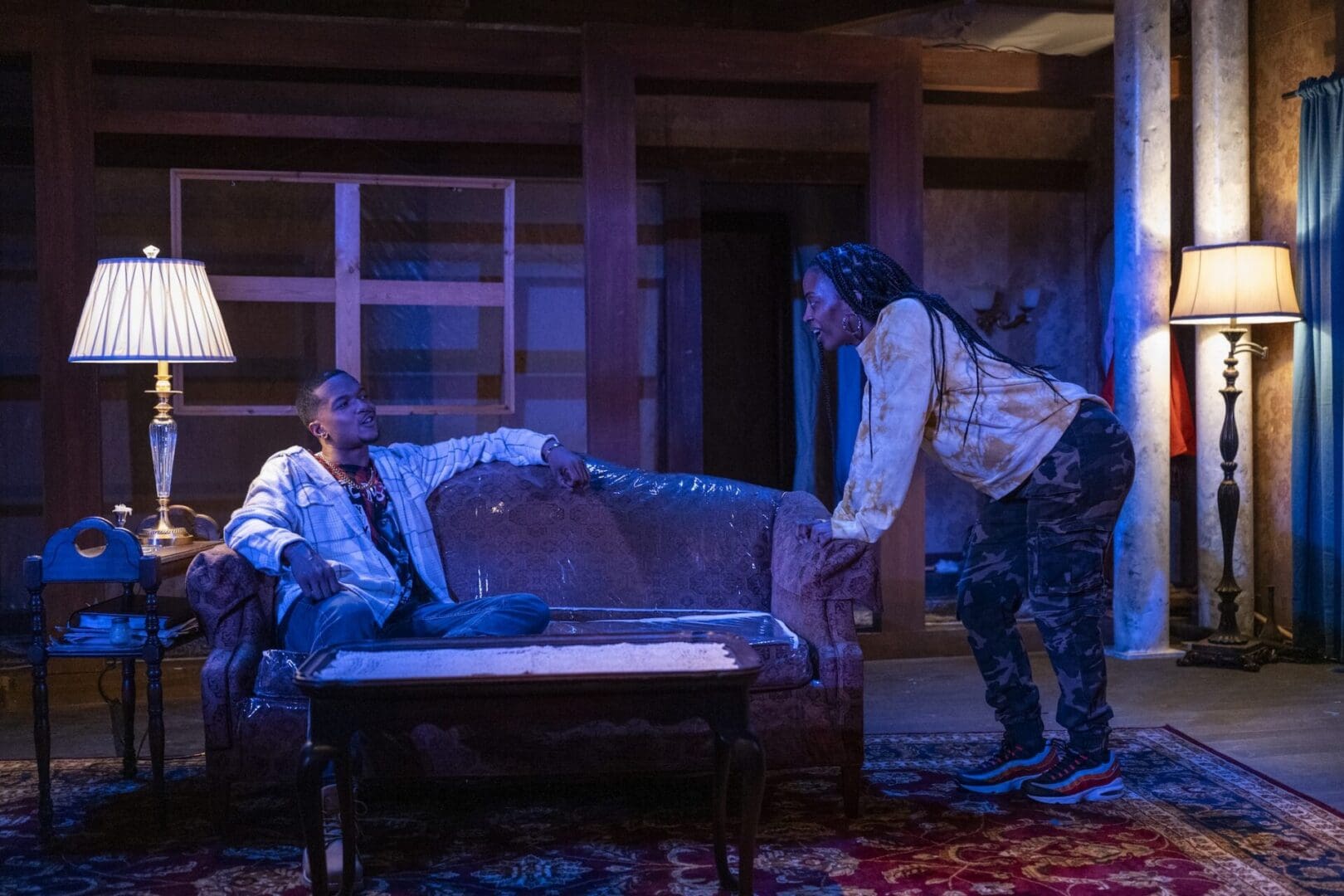
Jabari Khaliq and Tiffany Renee Johnson
Enter Toshi (Tiffany Renee Johnson) and Tyriek (Jabari Khaliq), a pair of recovering drug addicts—ding!—who’ve been living in the house for several months and who proceed to freak out at the idea that they might be evicted.
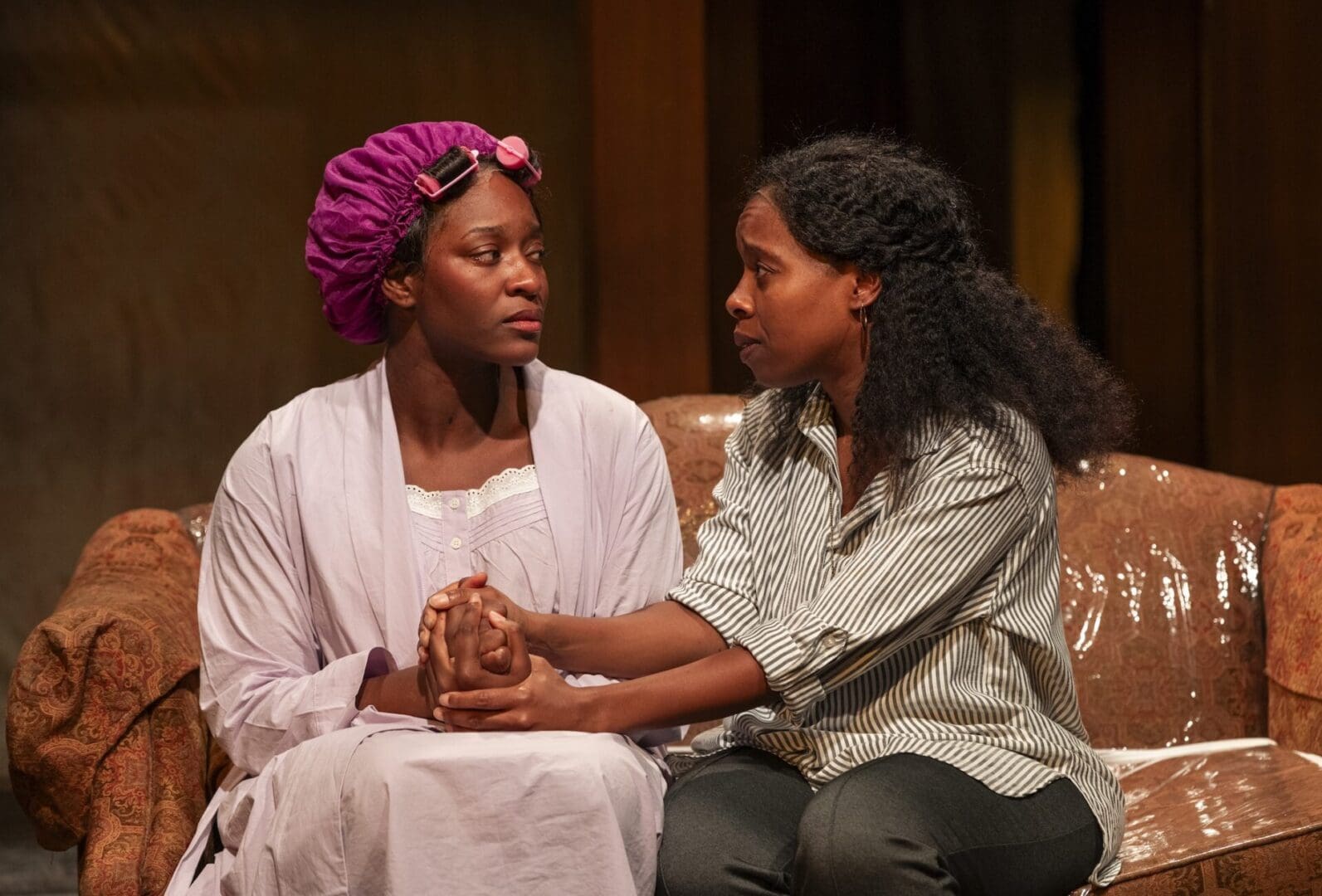
Alexis Janae and Toccara Castleman
Directed by Malkia Stampley, Mud Row cuts back and forth between the two timelines; Elsie and Frances slowly drift apart until circumstances force them back together; a similar trendline plots Regine and Toshi’s relationship, only there we encounter them a little later in the graph. One sister is defined by circumstance, the other by her ambitions. It’s all a little too neat and the dialogue rarely leaves room for nuance; particularly the lines handed to Thomas’s Davin, who frequently sounds like a self-actualization pamphlet. There’s also some nonsense about Toshi having a synesthetic-esque tendency to see colors; a metaphor too half-assed to deserve further analysis.
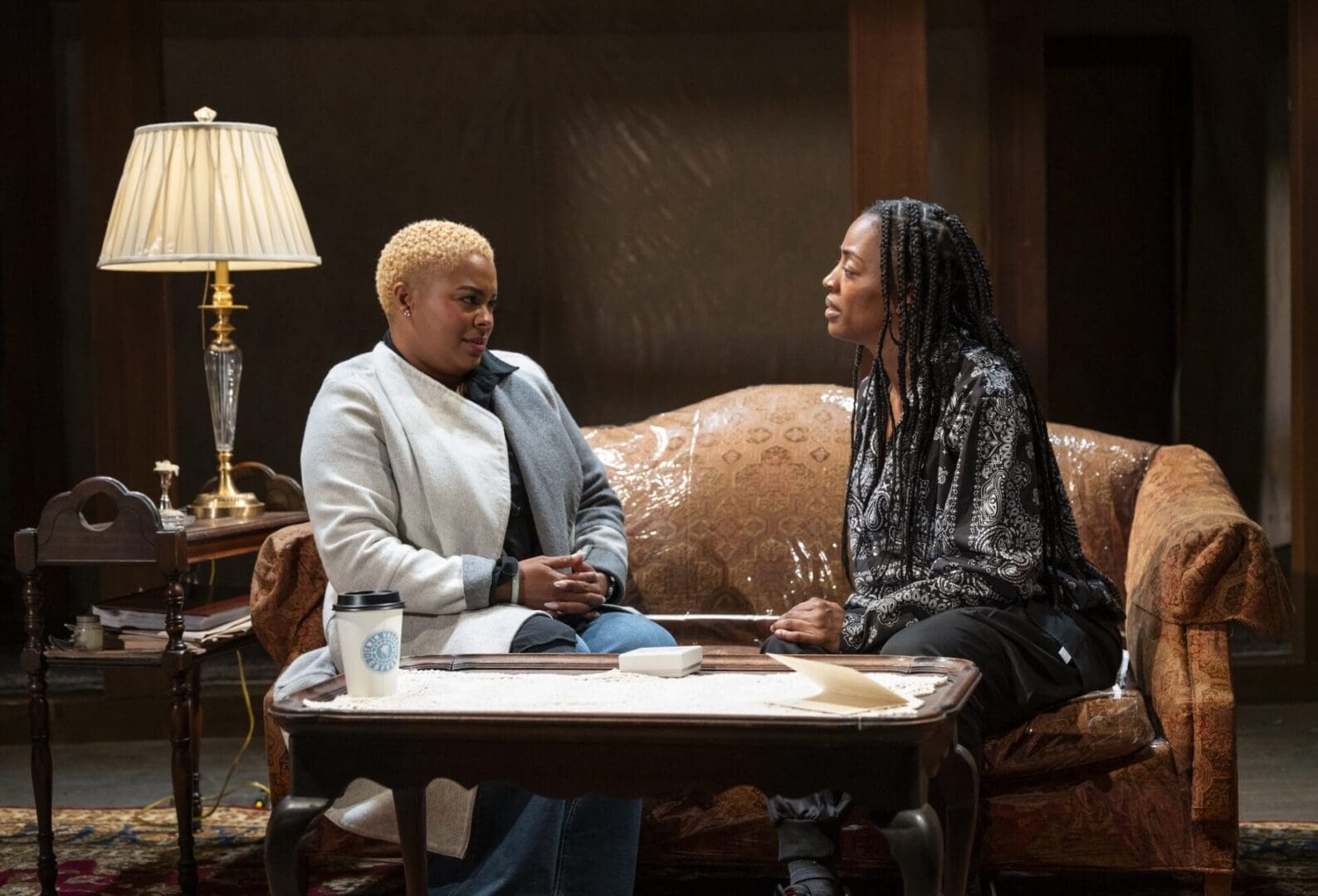
Ayanna Bria Bakari and Tiffany Renee Johnson
Stampley has assembled a strong cast of actors here, except the performances aren’t there yet. Castleman, who was so wonderful in Confederates, hasn’t quite zeroed in on Frances yet, and while Janae gets the most intellectually heavy dialogue as Elsie, she comes across as a bit of a ditz. As Toshi, Johnson’s former-addict-twitchiness gets repetitive, and until the last confrontation, when she finally locates the emotional core of her character, she doesn’t register as particularly sympathetic, which is a major problem. None of the performances are bad, or even average. These are all fine actors doing good work. It just doesn’t click together, but odds are it will as the actors settle into the run.
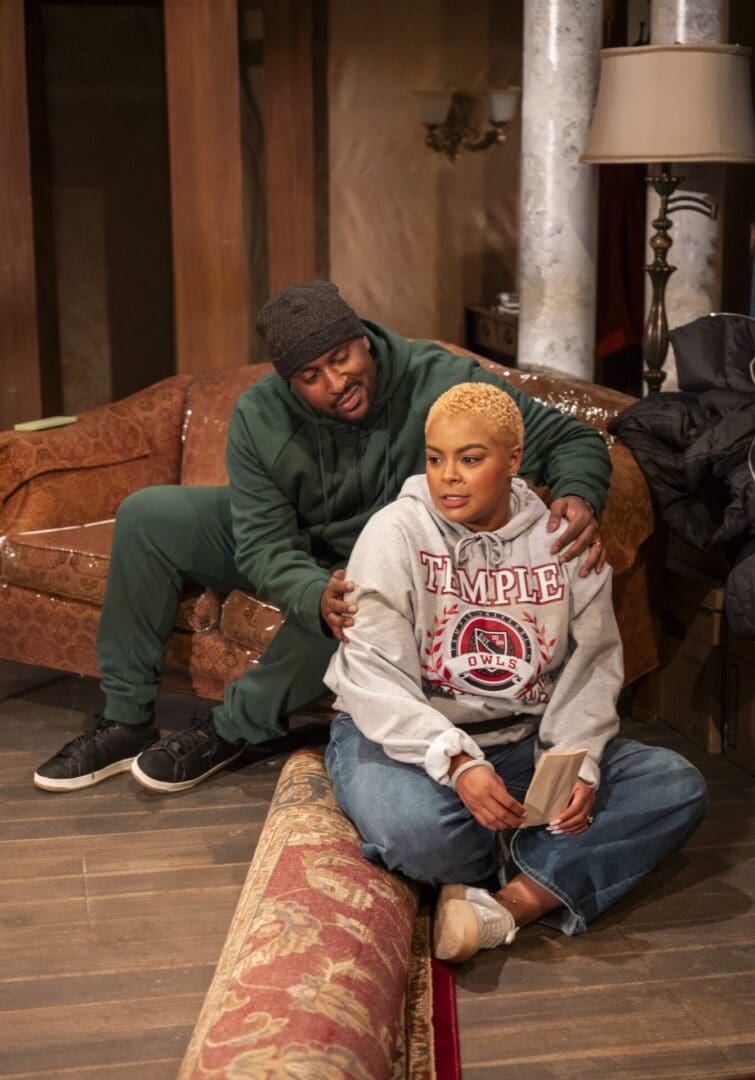
Jamaque Thomas and Ayanna Bria Bakari
Then there’s Bakari, who is, in one word, astounding. Quivering with a tension that’s almost contagious, every movement, every word that leaves her mouth drips with suppressed anger and resentment. Regine is the least sympathetic character on stage, but it’s such an exquisitely controlled performance that she winds up being the emotional center. Even on the sidelines, in silence, Bakari draws attention; her gaze shifting around as her character mulls the decisions she must make, her shoulders locked in, her hands clenching into fists; I couldn’t take my eyes off her. Her final explosion with Toshi is the most devastating and complex moment on stage and, my God, does she make it work.
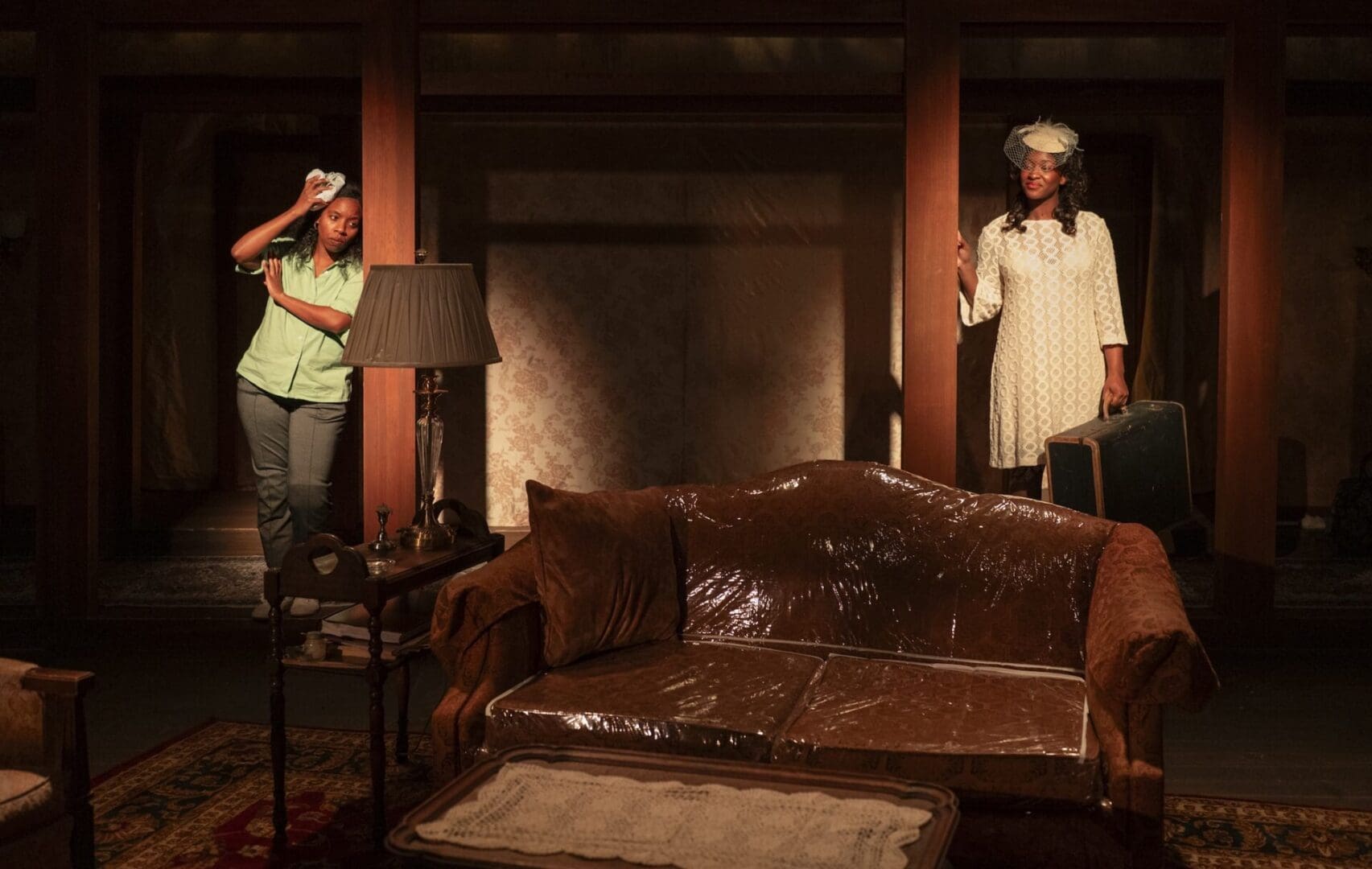
Toccara Castleman and Alexis Janae
Mud Row is thoroughly absorbing throughout its two-hour running time, which is mostly because Stampley is an excellent director. The character entrances and exits have a choreographed elegance to them that is very appealing, and I was rather impressed with the set and props design from Sydney Lynne and Amanda Herrmann, respectively. In conjunction with Levi J. Wilkins’ clever lighting design, the overall shift in impression from a lived-in house to an abandoned property from scene to scene is remarkably effective; it’s a wonderful bit of old-fashioned theatrical sleight-of-hand.
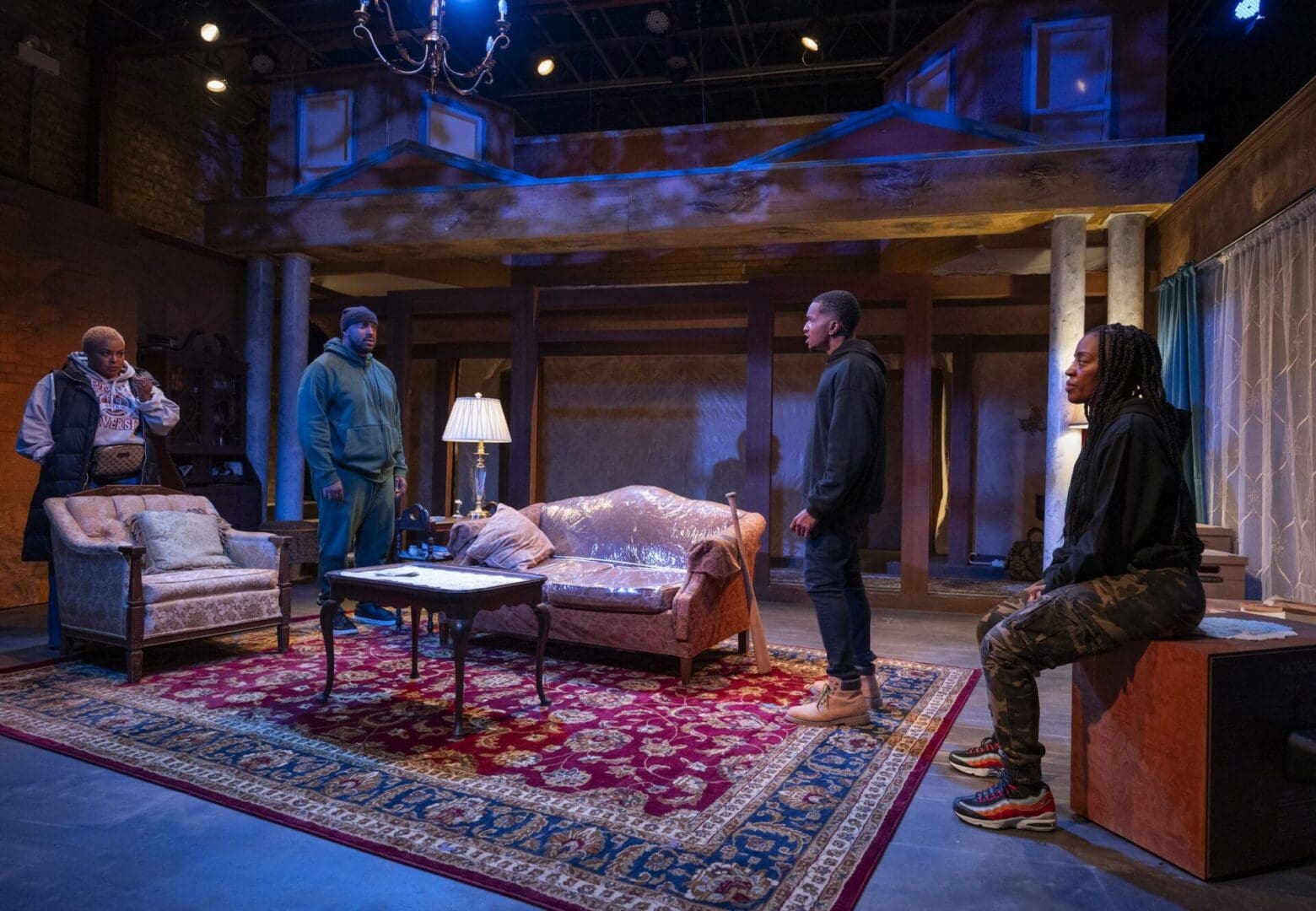
Ayanna Bria Bakari, Jamaque Thomas, Jabari Khaliq, and Tiffany Renee Johnson
Ultimately, Mud Row is undone by the mechanics and predictability of its script. It plays out more like an assignment—write a play that examines the contrasting viewpoints of W. E. B. Du Bois and Booker T. Washington regarding Black upward class mobility in twentieth-century America. There are no surprises. It’s a minor entry in the bibliography of a talented playwright. Expect to be entertained, but not wowed.
✦ ✦ ✦ ✦ ✦ ✦ ✦ ✦ ✦ ✦
photos by Michael Brosilow
Mud Row
Remy Bumppo Theatre Company
Theater One at Theater Wit, 1229 W. Belmont Ave. in Chicago
2 hours and 15 minutes, including intermission
Thu. & Fri. at 7:30; Sat. at 2:30 & 7:30; Sun. at 2:30
(no Sat. evening performance Oct. 31; additional Sun. evening performance Nov. 1 at 7:30)
ends on November 15, 2026
for tickets ($15–$58), call 773.975.8150 or visit Remy Bumppo
for more shows, visit Theatre In Chicago
✦ ✦ ✦ ✦ ✦ ✦ ✦ ✦ ✦ ✦
