


Areas We Cover
Categories

Film Review: SIX ACTS (directed by Jonathan Garfinkel / North American premiere at Tribeca Film Festival)

by Dmitry Zvonkov | April 27, 2013
in Film
WHO’S USING WHOM?
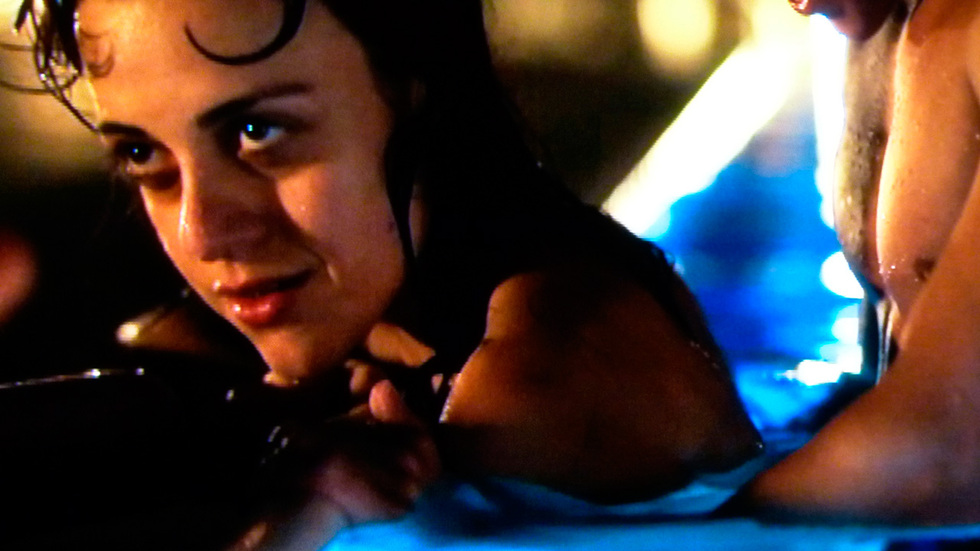
A formidable debut film by director Jonathan Garfinkel, Six Acts follows the exploits of Gili (Sivan Levy) – a poor, rube-ish, and not very beautiful teenage girl who’s just transferred to a hip new high school – as she is manipulated by the rich and popular boys into becoming a sex toy that they pass around. Or maybe it’s about Gili using the only edge she has over her trendy, attractive, middle-class schoolmates – her promiscuity – to try and find love and acceptance. It isn’t clear which, and this ambiguity is one of the elements that make Mr. Garfinkel’s film a living, breathing 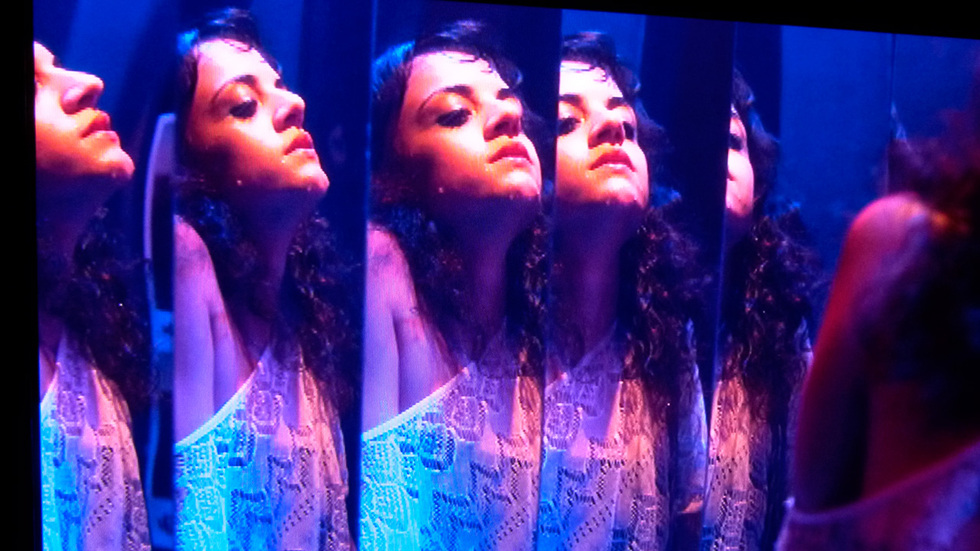 cinematic work (as opposed to a preachy morality play). Screenwriter Rona Segal creates a script that is both realistic and compelling, capturing with precision the politics and characters of older-teenagers – their desperation, power games, selfishness, their cruelty – without ever crossing the border into the grotesque; Ms. Segal has a point to make but she admirably never resorts to caricature to make it. And Mr. Garfinkel’s direction likewise achieves a sophisticated balance of naturalism and drama, especially where performances and camerawork are concerned (cinematographer: Shark de Mayo). Style works in service of substance in Six Acts, so much so that we don’t even notice it, just as we don’t notice that the actors are acting. Refreshingly, we simply see life on the screen.
photos © Courtesy of Tribeca Film Festival
Six Acts
Jeremy Walker + Associates, Inc.
Israel – 2012 – Color – 96 min.
North American premiere at Tribeca Film Festival
for screening times, visit Tribeca

So, Larry, I saw this at the San Francisco Playhouse in October, and it was a dull disaster. I couldn’t figure out what they were going for, but it felt like a flat farce. Did you see it as satire?
I see it as a psychological period piece (no pun intended) more than a satire, because I think the playwright takes the dancers’ trauma seriously enough to trigger numerous shocks of recognition in the audience.
It’s played very realistically on this stage.
Hope that helps…
This play was poorly written claptrap! It was dull, impossible to believe in, despite great performances by wonderful actors. The narrative was diluted by insipid breakouts of monologues that went too far, and utterly stupid segments that tried my patience. I can’t believe anyone who sees this play doesn’t see it for what it is! Awful.