


Areas We Cover
Categories

Los Angeles Theater Review: ANNA LUCASTA (Los Angeles Theater Center)

by Paul Birchall | November 17, 2012
in Los Angeles
BAD GIRL DONE GOOD
Here’s a play with a fascinating history for you. Early-mid 20th century Chicago playwright Phillip Yordan originally intended this play to be set in the Polish American community, but when he couldn’t find a producer, he re-wrote it for the American Negro Theater, which, in its famous 1944 production, carried the show to success in Harlem, Broadway, and London. This was the first play to boast an entirely black cast, but which didn’t contain singing and dancing and foolishness aimed at white audiences. As a seminal work of African American drama, the show ran for almost a 1000 performances and catapulted the stars to dynamic careers in the film and TV industry.
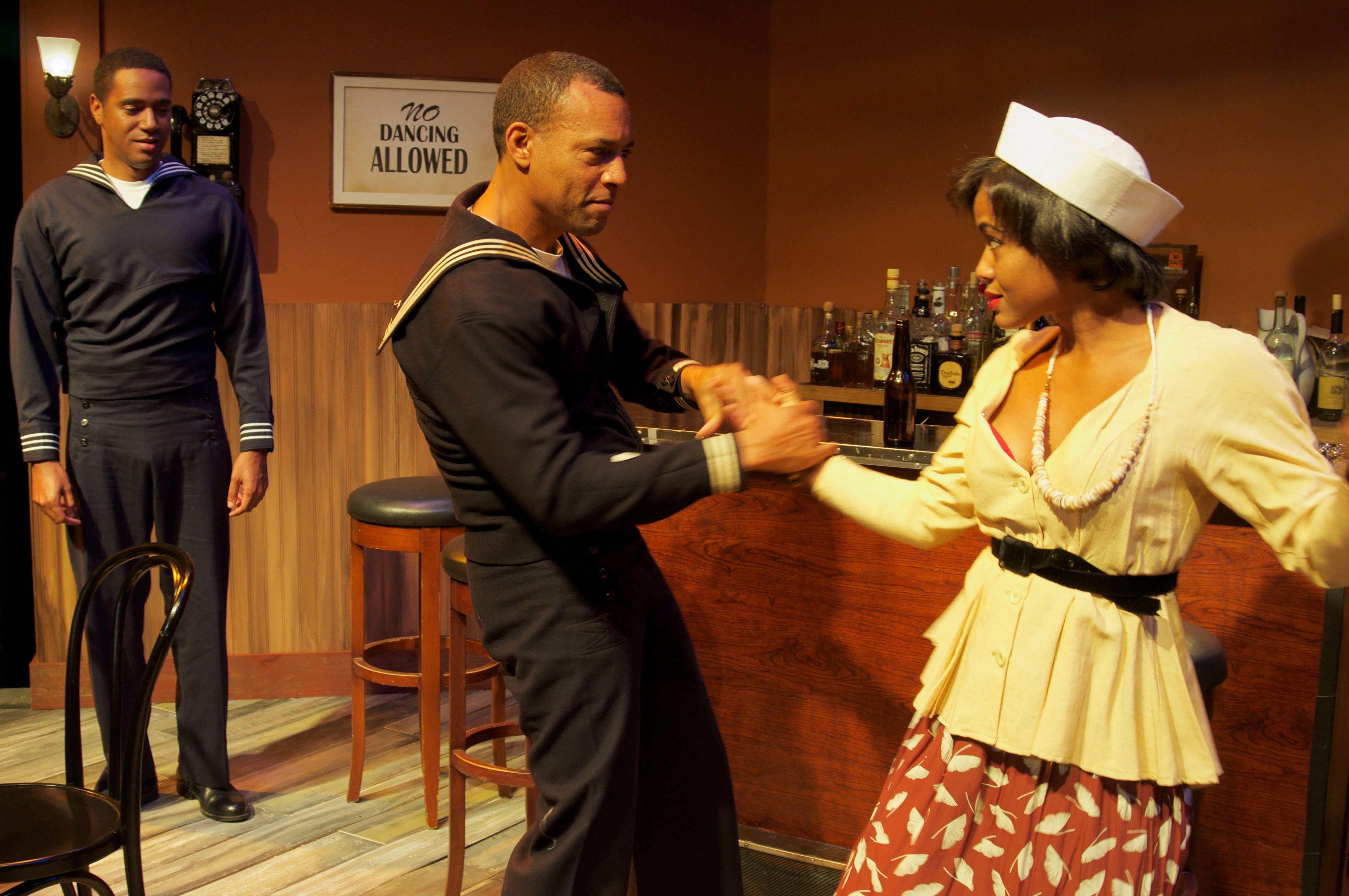
An acclaimed and beloved film of the play was made in the ‘50s starring Eartha Kitt and Sammy Davis Jr. However, the work shines as a searing stage piece that truly transcends the racial parameters of its time – it’s also just a powerful work of writing, whose character-driven storyline places itself somewhere dramatically between the naturalism of Eugene O’Neill and the family intimacy of August Wilson.
The play’s titular heroine is beautiful Anna Lucasta (Ashlee Olivia), a wild girl who, after being discovered with a lover by her conservative dad Joe (Robert Clements), is tossed out of the Pennsylvania family home, moves to Brooklyn, and becomes a dock streetwalker. However, when, Rudolf (Dwain A. Perry), the son of an old family friend, moves to Pennsylvania from Alabama to find a suitable bride, Anna’s mother (Cydney Wayne Davis) and siblings plot to bring Anna home so they can hook her up with the young man. The reasons are various: Although mom dreams of having her favorite daughter back in the family fold, the greedy siblings, who assume Rudolf is a hick, want to get their hands on the bankroll Rudolf is carrying.
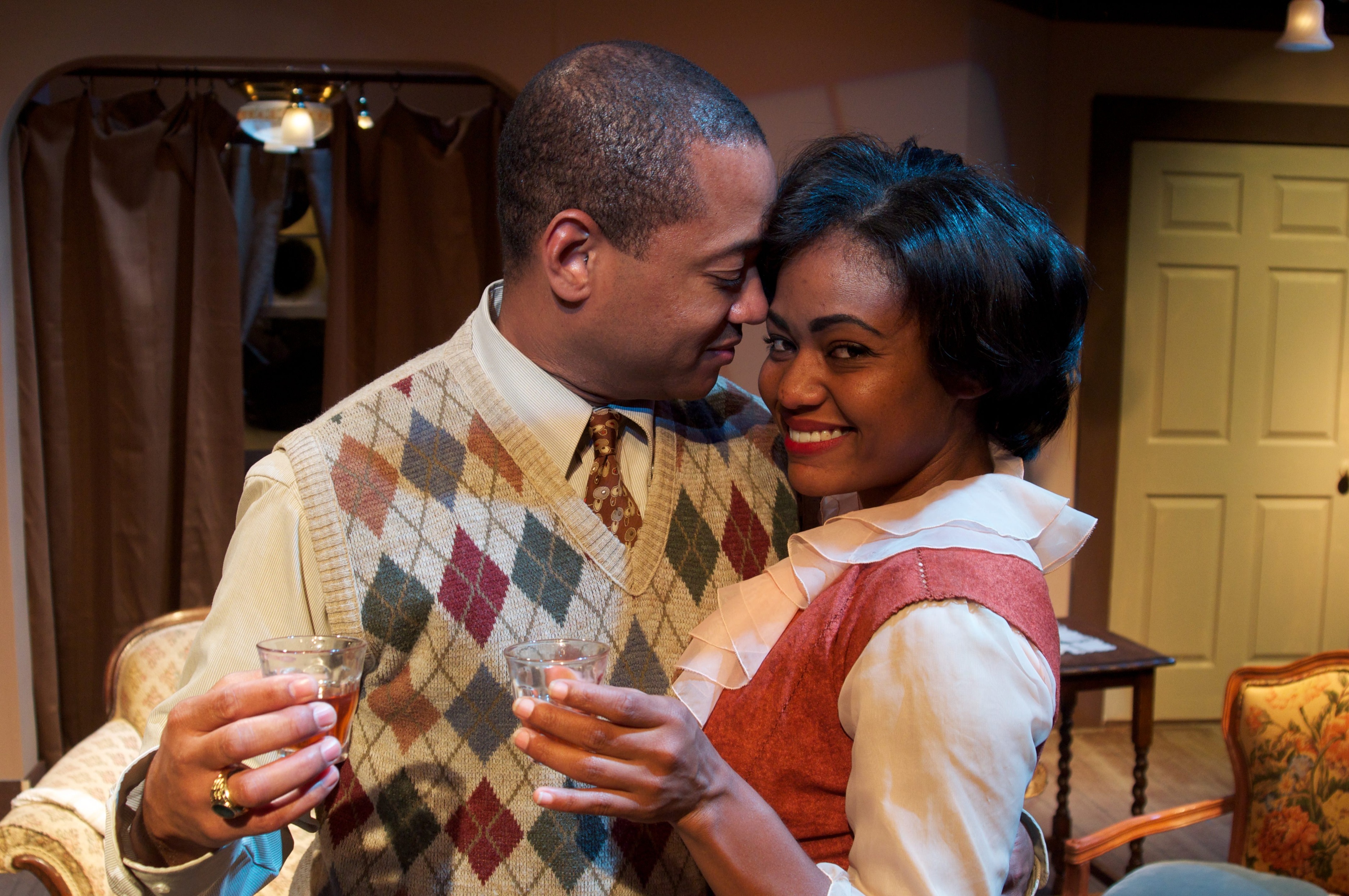
Anna is gradually convinced to return home and to everyone’s surprise, she and Rudolf fall almost instantly in love, though he has no idea of her former lifestyle. When Anna’s manipulative relatives decide that it is more profitable to break up the couple than let them stay together, though, complications ensue, and it looks like poor Anna could wind up the loser again.
Yes, Yordan’s play tends towards melodrama and some of the reverses and incidents frankly make little sense or come across as being quite hopelessly undermotivated. Yet, the work also provides a haunting portal into a bygone era, with characters who act and feel like folks did before the Civil Rights Era. The play is set in a middle class black milieu, which is itself incredibly noteworthy for the era, and is concerned with characters who entirely eschew stereotypes, either of their own time or ours, even when the play deals with such figures as prostitutes, pimps, greedy relatives, and country bumpkins.
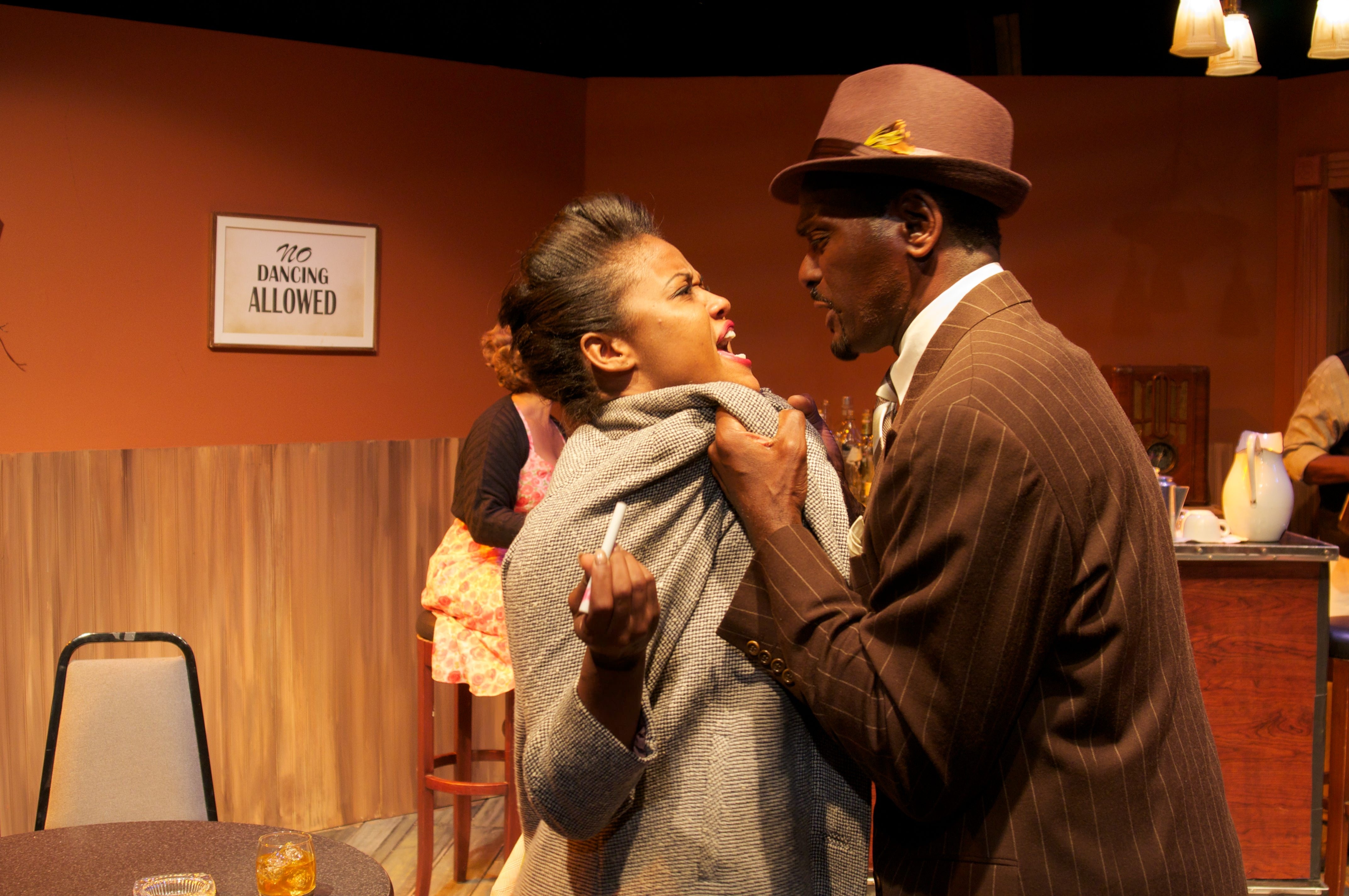
What’s artful here is how the characters are driven by their passions – and how the decisions they make they’re all willing to live with, results notwithstanding. Although director Ben Guillory’s staging suffers from occasional pacing lags that remind you that this is a rather long play, the ferocity of the play’s emotions rings true and draws in the audience in a way that more modern, less naturalistic dramas rarely do. Much of the credit for the show’s success must be laid at the feet at Olivia’s beautifully sensual turn as “bad girl” Anna, a turn that simmers with sexuality even as it also cracks with vulnerability. It’s not the easiest task to convincing combine both qualities, but Olivia simultaneously wins you over and disturbs in a portrayal that often feels more multi-dimensional that Yordan might actually have planned.

Also engrossing is Davis’s gentle, strangely unworldly turn as Anna’s mother. Here’s a character whose unabashed affection for her daughter and oddly disconnected relationship with her other children suggest a near Ruth Gordon-esque spaciness – there often seems an unspoken echo of the increasingly deranged mom from O’Neill’s Long Day’s Journey Into Night.
As a kindly bartender who takes in Anna when she’s down, Carl Crudup is crusty and warm, while Jennifer Sammons’ portrayal of a sousy, damaged hooker (whom Anna might turn into if she’s not careful), is a standout. Other performances are a little less sure: Clements’ ogre of a father is monstrous to the point of camp – a little more warmth would assist the character more — while some of the supporting cast is uneven. However, these drawbacks are fairly minor cavils in a striking production that often feels like it is a missing link between theatrical eras.

photos by Tim Alexander
Anna Lucasta
Robey Theater Company at the Los Angeles Theatre Center
scheduled to end on December 9, 2012
for tickets call 866-811-4111 or visit http://www.thelatc.org
