


Areas We Cover
Categories

Off-Off-Broadway Theater Review: DEAR MR. ROSAN (777 Theatre)

by Paul Birchall | October 24, 2013
in New York
DEPRESSING DEPRESSION ERA DRAMA
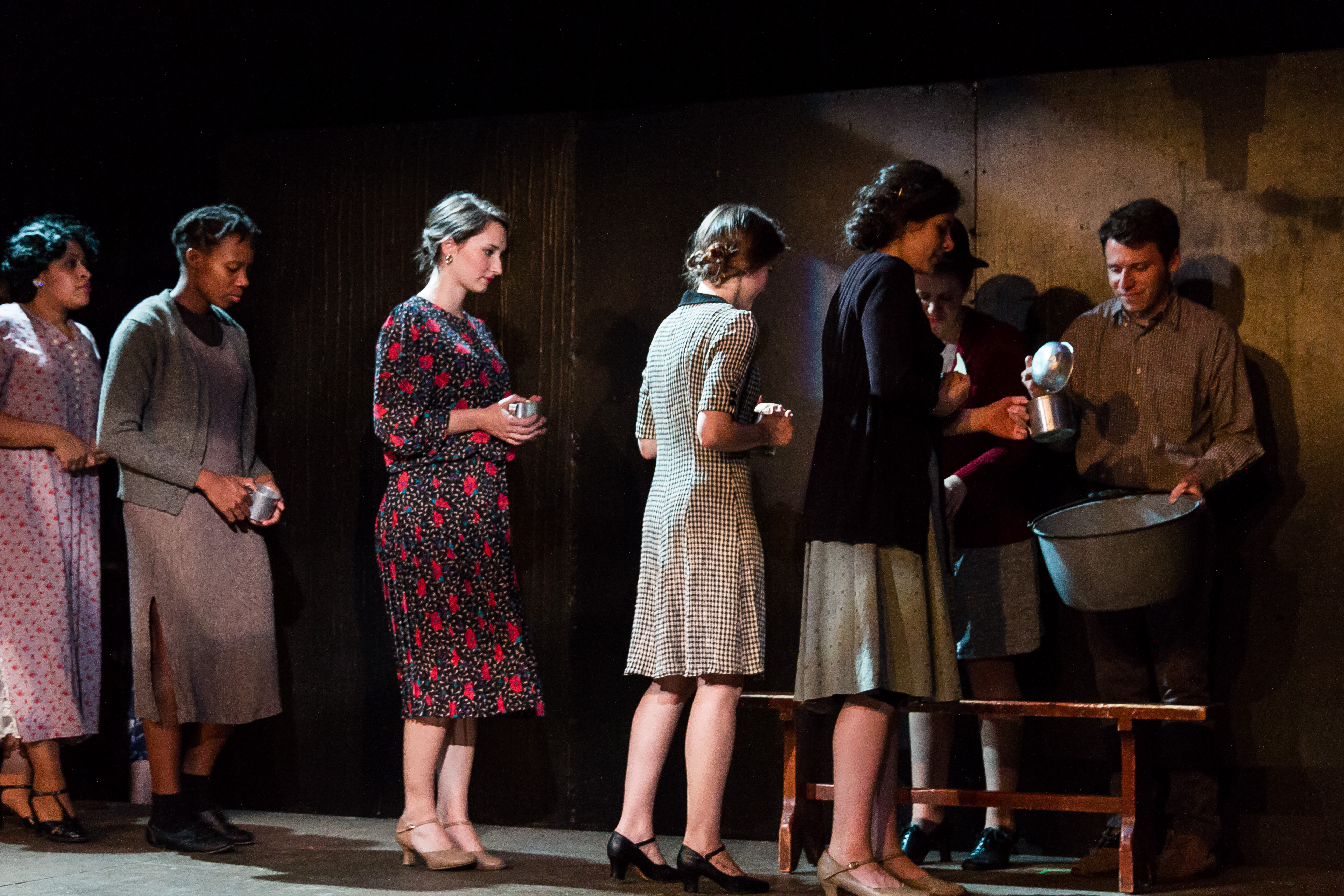
What a time! Folks standing on line for charity handouts, companies closing down, destitution and despair all around. Surprise, though, we’re not talking about nowadays – we’re talking about the Great Depression of the 1930s, the subject of playwright Danielle M. Velkoff’s well-intentioned but clumsy period drama. It’s an interesting idea for a play to attempt to draw some parallels between the two eras – the Great Depression vs. the Great Recession – but this play’s writing lacks the intellectual vigor, heft, and artistic creativity either to make its point convincingly or to traduce any genuine emotions.
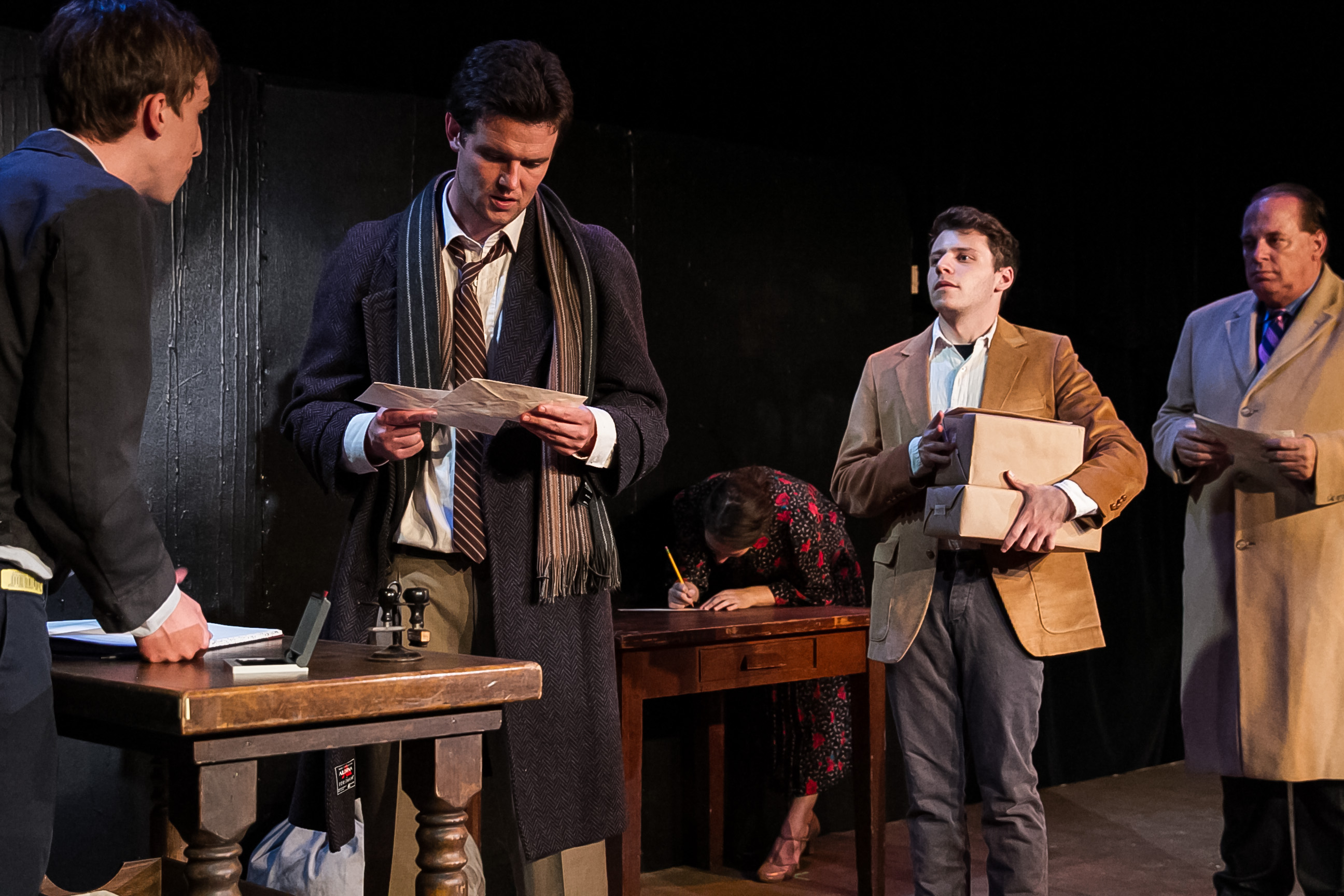
Yes, the play takes place midway through the Great Depression, where jobs are scarce and folks spend all day waiting on the soup kitchen line for a watery bowl of filthy broth to take home to their family. Kindly husband George (Brough Hansen) is desperately trying to keep his company afloat, but is forced to fire his beloved secretary (Pamela Stewart Ehn). This doesn’t stop his company bleeding cash, though, and soon George is on the bread line and looking for day labor gigs.
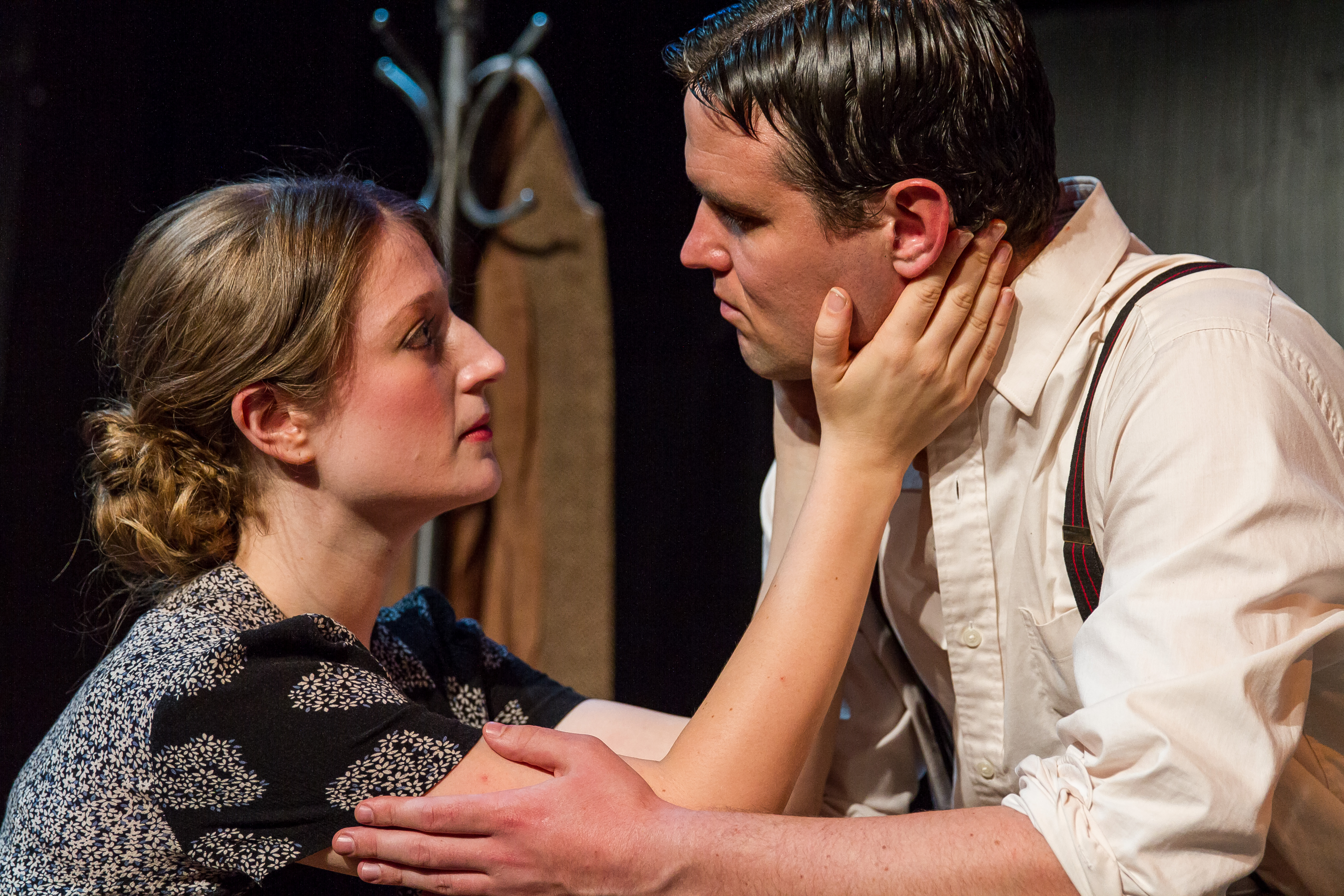
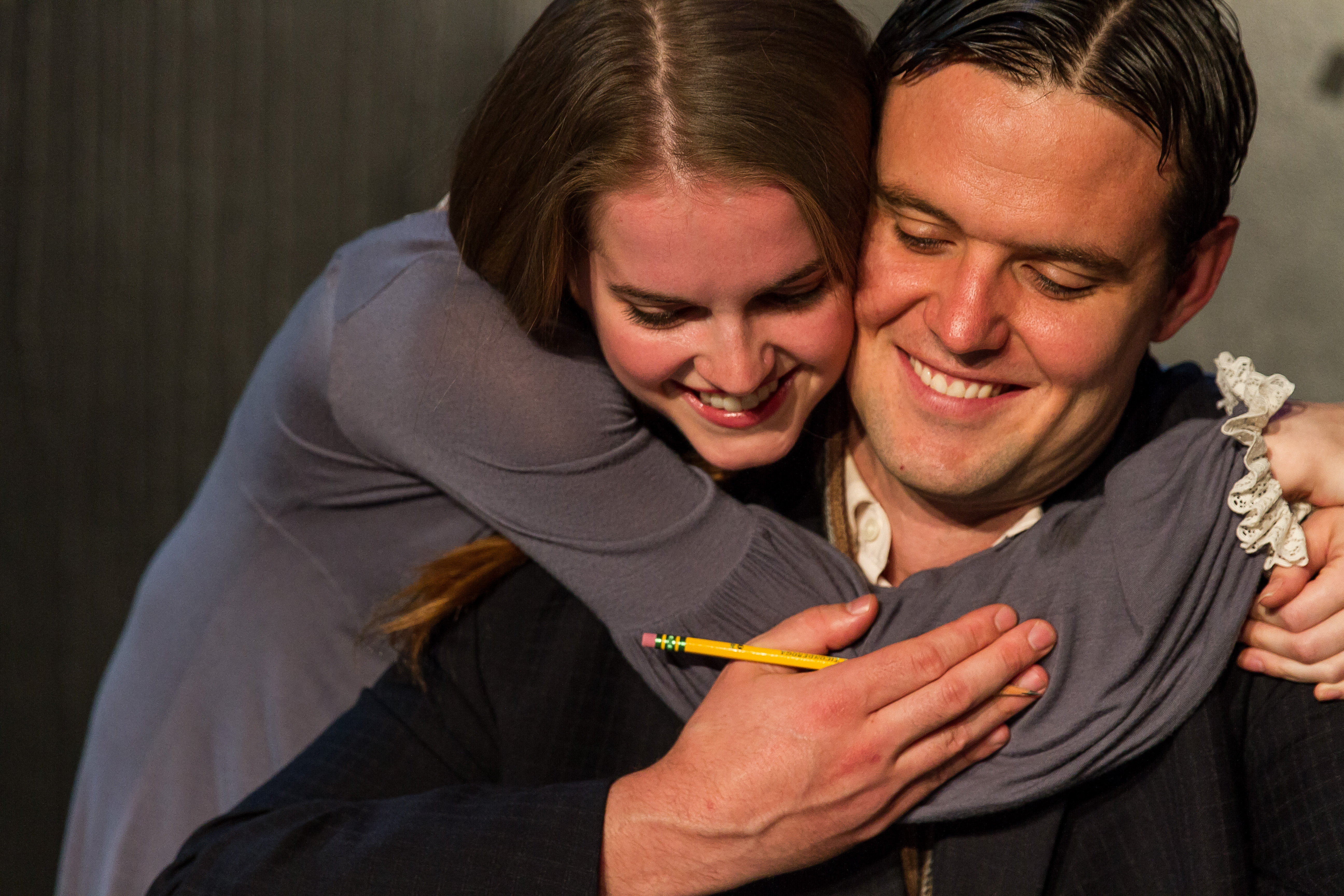
Meanwhile, George’s doting wife Alice (Laura King) is intrigued by a newspaper article, in which a wealthy man is offering impoverished folks free money if they will only write to him with their sad luck stories. George scoffs at the idea, and instead teams up with his ne’er do well brother in law Harold (Alex Fast), who spends his nights at a sleazy speakeasy, full of gamblers, floozies, and gangsters. Nothing good will come of this, and, sure enough, bad things do. However, after George hits bottom, he takes up his pen and writes a sad letter to the rich guy that just might wring cash from his wealthy heart.
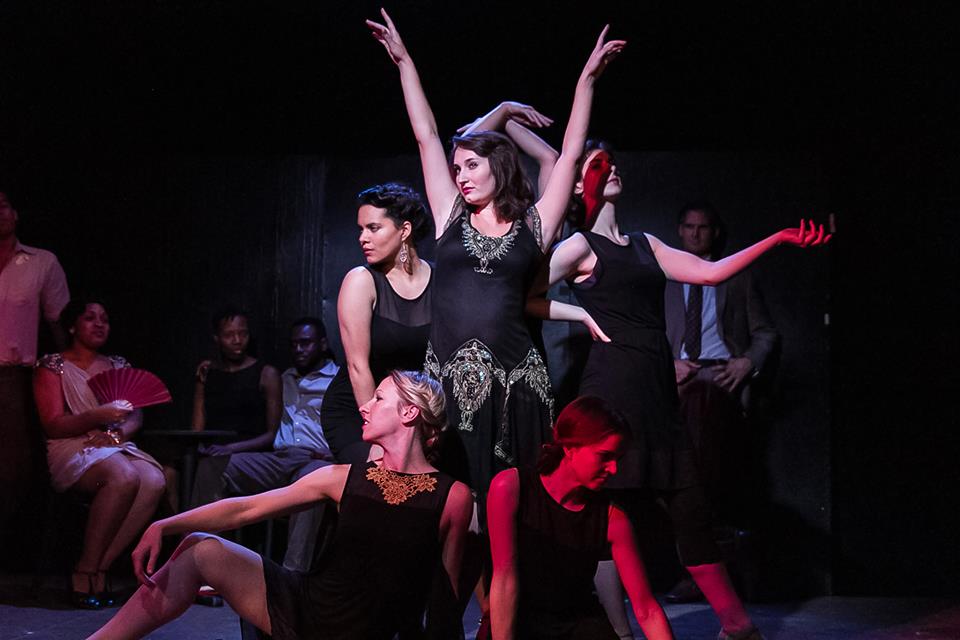
Velkoff’s play opens with attempts at heavy social realism, but then segues into a cliché-laden attempt to awkwardly craft the sentimentality and folksy charm of a Frank Capra It’s a Wonderful Life fairy tale. To the piece’s credit, the goings on are occasionally interrupted by some truly delightful musical numbers, choreographed by Tamra Paselk from Erica Jacobs music, which mostly take place in the environs of the sinister speakeasy George and Henry repair to nightly. These musical interludes, production numbers intentionally created to resemble flapper numbers of the era, are decidedly charming. It’s just a pity that the piece doesn’t offer enough of them to offset the incredibly clumsy book. This should be a musical with a few narrative interludes, not a torpid drama with a couple of songs in the middle.
Unfortunately, Velkoff’s writing skills are not up to the challenges she sets herself, and the piece is heavy and stilted, with labored, overlong dialogue exchanges and heavy-handed characterizations. Part of the play’s problem is structural: A lot of the story simply doesn’t make sense. George owns a company that hasn’t folded – why is he going to soup kitchens and getting day labor gigs? The piece’s attempts to wring charm and whimsy are downright clumsy. The play ends with a development that’s supposed to be sweet, but (without giving it away, in case you get caught in a rainstorm on 48th street and have no choice but to take refuge in the theater to see this lamentable piece) the moment is cheesy and unintentionally disturbing, as everyone on stage acts joyful to a situation that’s inconsequential at best.

Velkoff does herself no favors with her leaden staging, either: The piece’s ponderously paced line readings are full of pauses that craft a mood of sappy, unearned mawkishness. Really, the entire ensemble would have been better off performing a play by Clifford Odets, perhaps, or even O’Neill, instead of the choppy, stiff material that’s offered here. However, even then, performances are uneven, at best. Hansen looks like the perfect leading man, but his acting is strangely wooden and unemotive. He moves awkwardly, and makes a peculiarly unsympathetic hero to say the least — his reactions to the Depression Era travails come across as the grumpy mewling of a frat boy who has missed out on a keg party.
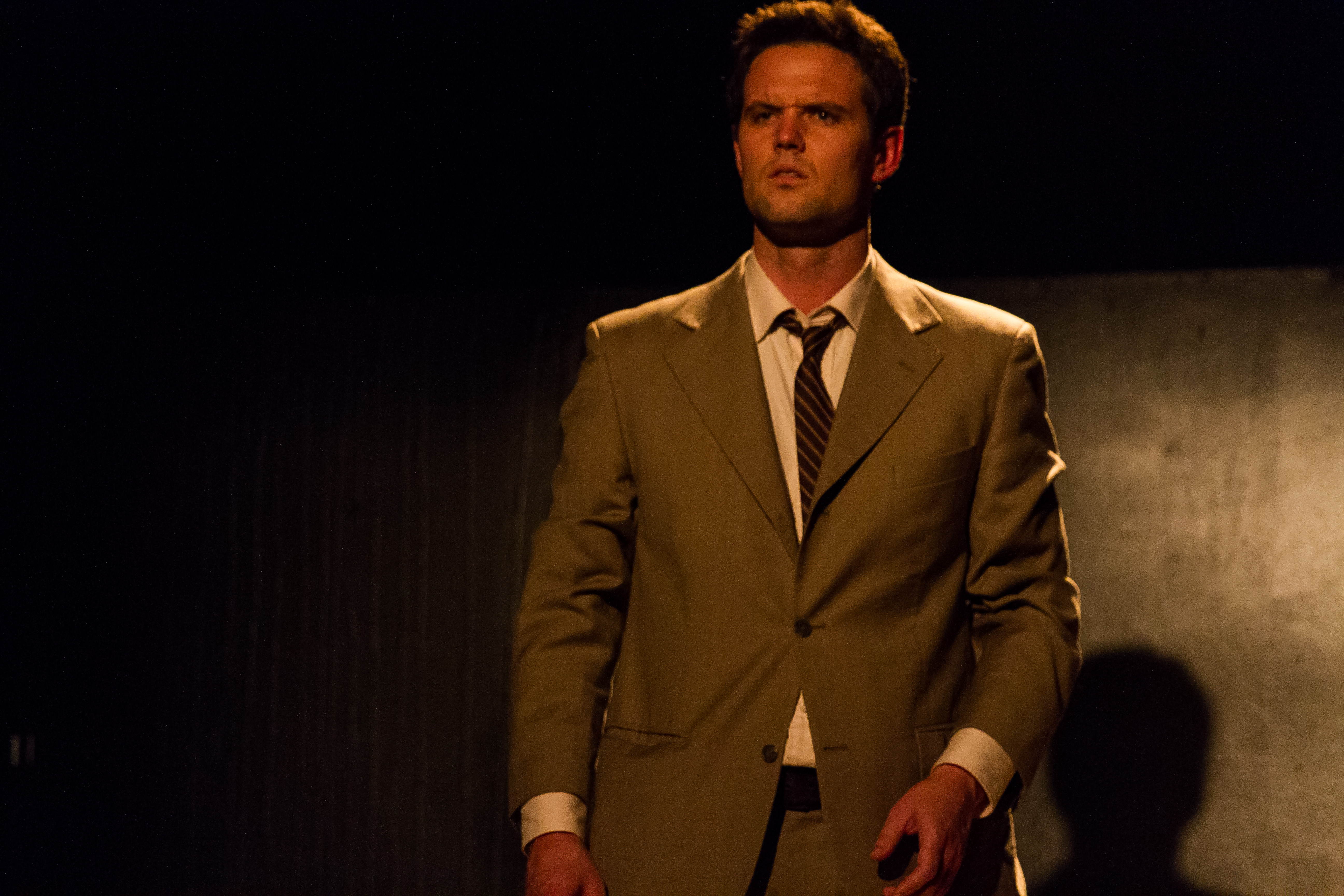
King is somewhat more appealing as his doting, unbelievably supportive wife – and a nice turn is offered by Ehn as George’s sad-fated secretary. Yet, some of the acting work by some of the supporting performers is alarmingly rough. Once again, Volkoff is at fault here: If the show’s pace had been intensified, and portions of the extraneous dialogue trimmed, the show’s overall impression might have indeed been less, well, Depressing.
photos by Michael de Vera
Dear Mr. Rosan
Purple Threads Theatre Ensemble
part of the 2nd Annual Kitchen Riots Festival
777 Theatre, 777 Eighth Avenue, 2nd Floor
closed on October 20, 2013
for more info, visit http://www.purplethreads.org
