


Areas We Cover
Categories

HOW DIGITAL CULTURE IS SHAPING MODERN RELATIONSHIPS
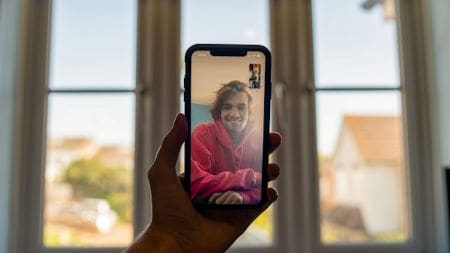
Whether through instant communication or the ability to meet people from across the globe, one thing is certain: the internet has drastically changed the way we interact.
A recent study published by Statista revealed that, on average, people spend six and a half hours online daily. Some dedicate this time to work, others focus on entertainment, but most of us divide our attention between both.
As a result, the way we communicate with friends, family, and colleagues is now partially online. This directly influences what we call digital culture, which plays a key role in shaping modern relationships. And contrary to common belief, this shift is not entirely negative.
Digital culture encompasses the elements that define online spaces—such as language, social norms, and technological tools. These factors are essential to understanding how digital culture is reshaping modern relationships, which we will explore below.
We spend more time interacting online
The six and a half hours mentioned in the Statista study mainly consist of interacting with others on the internet. Socialization is still happening! On platforms like InstaCams online, for example, people can engage in video chats for various purposes.
In other words, contrary to the assumption that people are becoming less social, we are simply changing the way we interact. There are many positives to this transition—especially when balanced with real-life connections.
Connections haven’t become more fleeting, just different
One of the most debated aspects of modern relationships is the perception that they have become more superficial. The idea is that young people struggle to build deep connections due to the fast-paced nature of online interactions.
However, this assumption is incorrect. The shift in relationships is not caused by digital culture itself, but rather by increasingly demanding work schedules that leave less time for socializing. In this context, online technologies help bring people closer together rather than pulling them apart.
Strengthening relationships we already have offline
Imagine a friend or family member moving to another country. In the past, communication options were limited to expensive phone calls or slow mail correspondence. The internet has eliminated these barriers, making it easier to stay in touch without additional costs.
This is another way digital culture positively shapes modern relationships: it allows us to maintain and strengthen existing bonds, even across physical distances. What might seem like a negative shift at first glance is actually an opportunity to foster deeper connections.
The impact of digital culture on cinema and the arts
The digital revolution has significantly transformed how movies, TV shows, and art are created and consumed. Streaming platforms like Netflix, Amazon Prime Video, and others have redefined the entertainment industry, offering instant, on-demand access to global content.
This shift has made films and artistic productions from different cultures and regions accessible to audiences worldwide. It also allows filmmakers and artists to connect directly with their audiences, providing real-time feedback and interaction.
Additionally, social media platforms such as Instagram, Twitter, and YouTube have become essential tools for promoting movies, art exhibitions, and cultural events. These platforms offer spaces for trailers, behind-the-scenes content, and interactive discussions, helping artists build stronger connections with their followers.
Many filmmakers and artists now use social media to share their creative process, post live behind-the-scenes footage, and even host virtual cultural events, making artistic experiences more immersive and participatory.
Finding balance in a digital world
No matter how much time you spend online versus engaging in face-to-face interactions, the key is balance. As we’ve explored, digital culture offers many benefits for modern relationships, allowing us to stay connected with those who are physically distant.
By recognizing both the advantages and challenges of this digital shift, we can embrace technology as a tool for strengthening relationships while still maintaining meaningful real-world connections.
photo by Bem Collins on Unsplash
