


Areas We Cover
Categories

HOW TO LEARN SOUND DESIGN WITHOUT FILM SCHOOL
So, you want to learn sound design. But film school? Not really in the cards. Totally fair.
Here’s the good news—you don’t need it. With an internet connection, curiosity, and a few smart moves, you can start crafting soundscapes from scratch. No tuition. No student loans. Just your ears and a bit of hustle.
And yes, an online sound design course can help. But first, let’s break down exactly how you can learn this in-demand skill—without the classroom.
Keep reading. It’s all here.
Why Skip Film School for Sound Design?
Let’s be honest. Film school isn’t cheap. You’re looking at tens of thousands of dollars for a degree. And after all that? You’ll still have to learn by doing.
Most working sound designers didn’t land jobs because of a diploma. They landed them because of skill. Skill that came from real-world practice, not lectures.
Plus, online learning changed the game. There are entire sound libraries, DAWs, tutorials, and communities ready for you. Right now. Free or cheap. Accessible from your couch.
So why skip film school?
Because you can learn smarter, faster, and way cheaper.
What Exactly Does a Sound Designer Do?
Sound design isn’t just about making things loud or cool. It’s about making things believable.
Think about a horror movie. The creaking floor. The subtle hum before a jump scare. That’s not just sound—it’s design. Every whisper and boom is chosen to shape how you feel.
A sound designer might:
- Record or edit sound effects
- Build ambient textures
- Clean up dialogue
- Sync sounds with visuals
- Mix everything together so it feels seamless
Basically, if it makes noise in a movie, ad, or video game—it went through a sound designer’s hands.
Start with the Basics: Audio Fundamentals
Before you jump into big projects, get the groundwork right. That means learning how sound works.
A few basics to start with:
- Frequencies (low vs high sounds)
- Amplitude (volume)
- Signal flow (how sound moves through gear or software)
- Waveforms (what sound looks like visually)
This might sound technical. But you don’t need a physics degree. Just start with short videos or articles. Keep it bite-sized.
Affordable (and Free) Resources for Self-Education
You don’t need a giant budget. You just need the right tabs open.
Try these:
- YouTube – Search for channels like ASoundEffect or Pro Sound Effects
- Podcasts – “Tonebenders” is a solid one
- Books – The Sound Effects Bible by Ric Viers is beginner gold
- Online courses – A structured online sound design course helps if you need step-by-step guidance
And don’t forget Reddit. Or Discord servers. Communities are goldmines of info and support.
Tools of the Trade: Software and Hardware Essentials
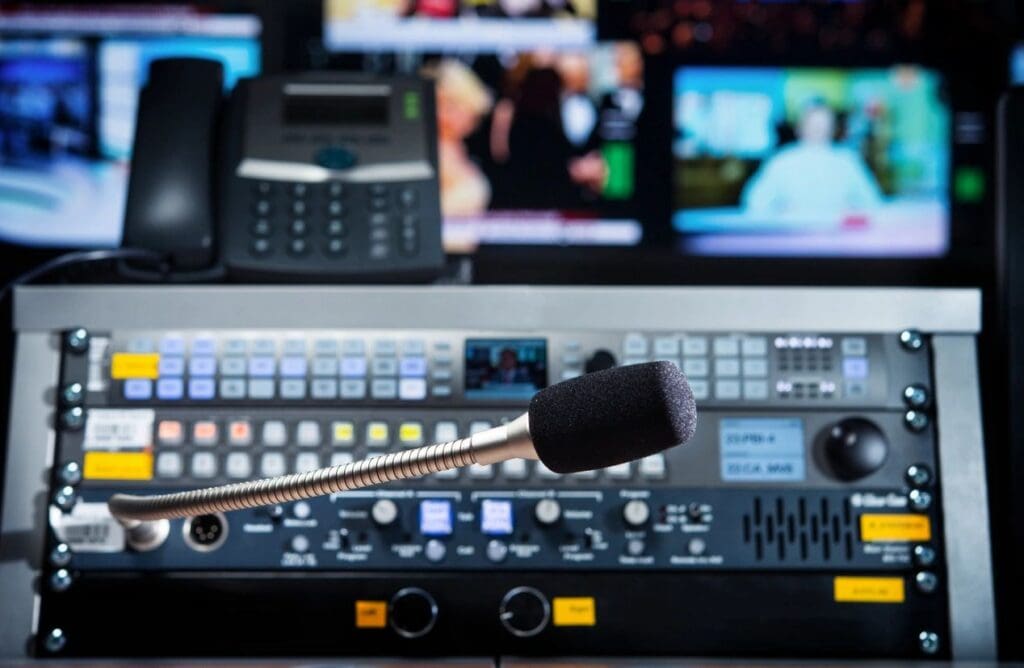
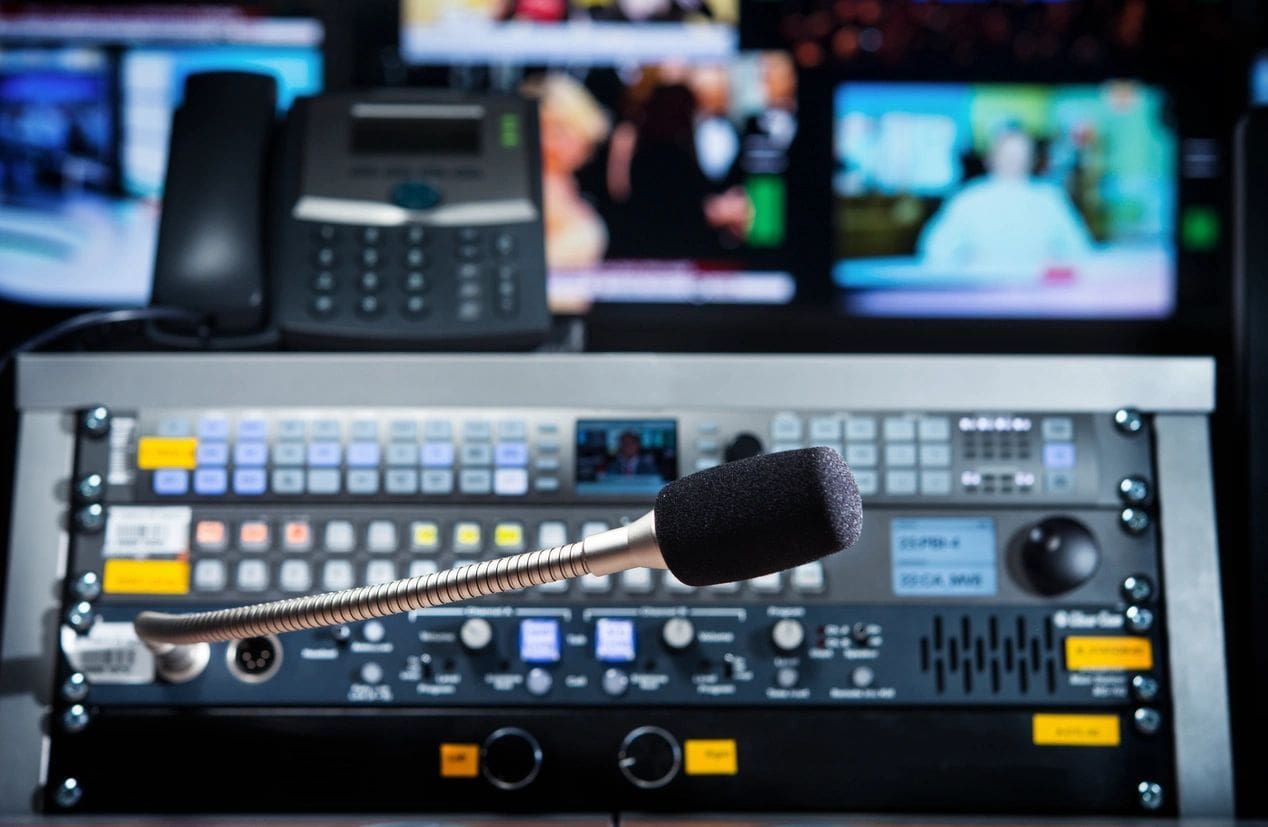
Here’s the deal: You don’t need a studio to get started. A laptop and a pair of decent headphones can take you far.
What to get:
- DAW (Digital Audio Workstation) – Reaper is free-ish and very powerful. Audacity is also solid for beginners.
- Headphones – Get a pair that doesn’t color the sound too much. Think Audio-Technica M50x or Sony MDR-7506.
- Mic (optional at first) – A basic Zoom H1n can help if you want to record your own sounds.
Don’t go wild buying gear. Learn first. Upgrade later.
Learn by Doing: Hands-On Practice Techniques
This is where it clicks.
Start small:
- Mute a movie scene. Rebuild the sounds yourself.
- Add new sounds to a video game clip.
- Create a 30-second soundscape: a rainy alley, a spooky cave, a spaceship interior.
Repetition helps. And yes, it’ll sound bad at first. That’s normal.
Building a Portfolio Without a Classroom
A degree doesn’t impress like a reel does. Want to get noticed? Show your work.
Here’s how:
- Pick 2–3 short clips from royalty-free video sites
- Redesign the sound entirely
- Export clean, professional-looking cuts
- Upload to YouTube or Vimeo
- Link it on your personal website or portfolio
A tip? Keep it short. Two great minutes beat ten okay ones.
Networking and Finding Opportunities
Nobody works in a vacuum. You’ll grow faster by connecting with others.
Where to look:
- Online forums (Gearspace, Indie Film forums)
- Facebook groups for filmmakers
- Discord servers for audio creators
- Reddit (r/AudioEngineering, r/SoundDesign)
Pitch yourself for indie projects. Offer free help to YouTubers. Slide into DMs. Be nice. Be helpful.
Leveling Up: Feedback, Mentorship, and Continuous Learning
Want to improve? Ask for feedback. It stings sometimes. But it helps.
You can post your work on forums. Join critique groups. Or reach out to working sound designers—some offer paid mentorships.
Also:
- Keep learning new software updates
- Follow new trends in sound (3D audio, VR, etc.)
- Watch behind-the-scenes sound design videos
Never stop playing. The more you experiment, the better you get.
Your Path to Becoming a Self-Taught Sound Designer
You don’t need film school. You need curiosity, practice, feedback, and community.
Start with the basics. Try a solid online sound design course. Practice every week. Rebuild scenes. Make mistakes. Learn.
Sound design is more than a skill—it’s an art. You’re shaping emotion. You’re shaping the audience’s experience.
And the best part? You can start today. No permission needed!

I heard this, and I don’t understand who it’s really for. I would think that there is a limited audience.