


Areas We Cover
Categories

Obituary: CONNIE FRANCIS (Dec. 12, 1937 – July 16, 2025)

by Michael M. Landman-Karny | July 17, 2025
in Albums, Music
THE VOICE THAT BRIDGED WORLDS
The obituaries flooding social media following Connie Francis’s death on July 16th focus predictably on her record sales (over 200 million albums worldwide) and her historical firsts—she was the first woman to reach number one on the Billboard Hot 100 in 1960 with “Everybody’s Somebody’s Fool” Yet such statistics, impressive as they remain, obscure a more intriguing story about market expansion, cultural arbitrage, and the peculiar economics of mid-century American stardom.
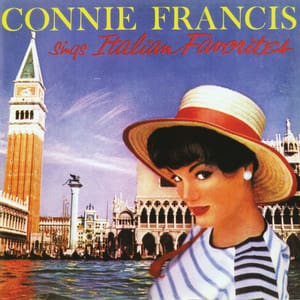
Consider the numbers that rarely make the eulogies. Francis’s 1959 album Connie Francis Sings Italian Favorites remained on the charts for 81 weeks, longer than most acts manage today with algorithmic promotion. It peaked at number four, generating revenues that MGM executives initially dismissed as a novelty. The commercial logic was unassailable: why limit oneself to English-speaking territories when a modest investment in translation could unlock entire continents?
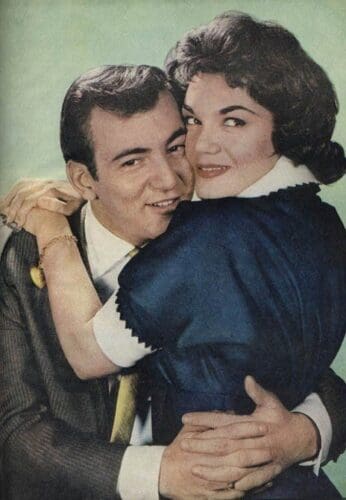
Bobby Darin and Connie Francis were short-lived sweethearts in 1956. She is a character in the current Broadway hit, Just in Time.
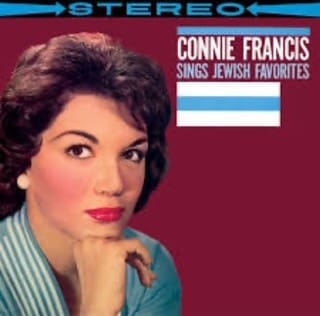
This was entertainment as international trade, decades before anyone called it that. Francis recorded in nine languages, anticipating by decades the globalized content strategies that now define Hollywood and Nashville. In 1960, she was recognized as the most successful female artist simultaneously in Germany, Japan, the United Kingdom, Italy, Australia, and the United States. This feat of market penetration would make today’s streaming executives weep with envy. Netflix’s current international expansion strategy looks positively tentative by comparison.
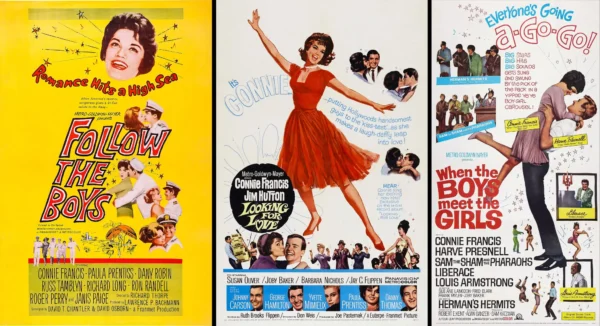
The business model demanded relentless productivity that bordered on the industrial. Between 1958 and 1964, Francis churned out dozens of albums, treating her voice as both instrument and manufacturing asset. Her father, George Franconero, operated as manager with the subtlety of a factory foreman, driving a schedule that would violate modern labor laws. The financial rewards, however, were substantial: by 1962, Francis commanded $25,000 per week in Las Vegas, roughly $250,000 in today’s money.
Then came November 8th, 1974, and the brutal assault in her Westbury hotel room that effectively ended this commercial juggernaut. Francis sued Howard Johnson’s for inadequate security, winning a $1.5 million settlement that represented one of the largest judgments in sexual assault history. The case, Garzilli v. Howard Johnson’s Motor Lodges, transformed hotel security practices nationwide and established legal precedents still cited in law schools. The legal legacy proved more durable than many of her songs.
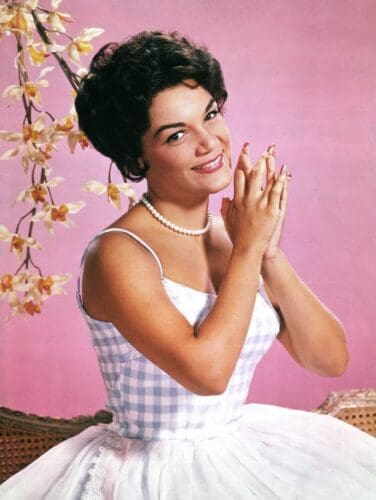
Connie Francis in the 1960s. (Archive Photos / Getty Images)
What followed was seven years of near-total withdrawal. Francis later described taking up to 50 Darvon pills daily, rarely leaving her Essex Fells, New Jersey, home. The entertainment industry, which had profited handsomely from her productivity, offered little support during her psychological reconstruction. MGM dropped her unceremoniously. This abandonment foreshadowed the systemic indifference that would later characterize the industry’s treatment of damaged stars. Ask any former child actor.

Ms. Francis at her home in Parkland, FL, June 6, 2025 (photo Erick Quituizaca)
Francis’s final chapter proved unexpectedly prescient, though she couldn’t have known it. In 2025, her obscure 1962 track “Pretty Little Baby” went viral on TikTok, generating millions of videos from users born decades after her commercial prime. When The New York Times contacted Francis about this unlikely resurrection, she expressed bewilderment, admitting she’d “completely forgotten about the song”. She speculated it offered “a ring of innocence in this chaotic time”, perhaps the most astute cultural criticism she ever delivered.
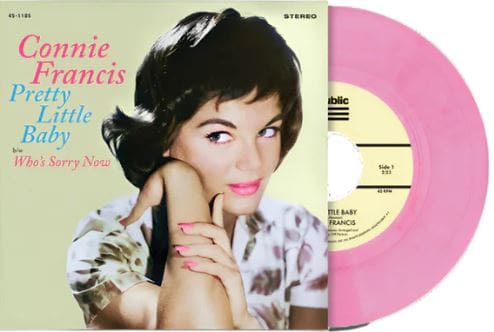
The algorithm had succeeded where radio programmers failed, proving that cultural value operates on longer timescales than quarterly earnings reports. Francis died just weeks after this viral moment, having witnessed her work finding new audiences through technologies unimaginable during her prime.
Viewed through today’s lens, Francis appears less as nostalgic curiosity than as an early architect of globalized entertainment. Her linguistic opportunism, relentless touring, and systematic brand extension across multiple media platforms prefigured the industrial entertainment complex that now dominates cultural production. She grasped, decades before the internet made it obvious, that borders represented opportunities rather than limitations.
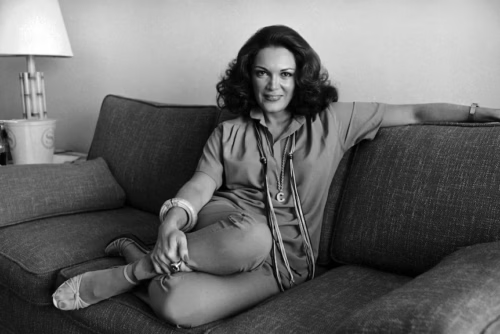
Francis in the 1970s. (AP: Wally Fong / File)
The tragedy is not that her career was interrupted by violence (though that remains horrific) but that the industry learned so little from her innovations. While Francis pioneered truly global entertainment strategies, her successors remained stubbornly monolingual, content to export American cultural products rather than adapting them for local consumption. Only now, with streaming platforms desperately seeking international content, are executives rediscovering strategies Francis deployed during the Eisenhower administration.
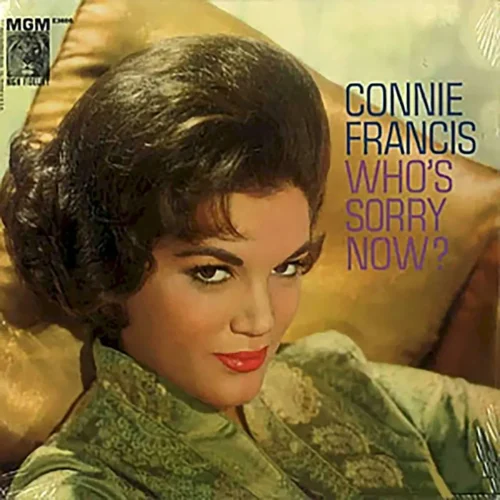
Her death this week, ironically timed with her TikTok renaissance, suggests that authentic talent operates by different rules than manufactured celebrity. For an industry obsessed with demographic targeting and algorithmic optimization, there may be no better reminder that genuine artistry transcends the marketing categories designed to contain it. Francis understood this instinctively. The rest of us are still catching up.
