


Areas We Cover
Categories

FROM SCRIPT TO SCREEN: WHY EVERY GREAT AD STARTS LIKE A MOVIE

There’s a reason we remember our favorite movies—those opening shots that pull us in, the rising tension, the satisfying final frame. Great storytelling doesn’t just belong to Hollywood anymore. In fact, the most memorable marketing videos today borrow heavily from film. Whether it’s a sleek tech ad or a heartfelt nonprofit campaign, the strongest ones are crafted like short features—with structure, feeling, and a beginning worth sticking around for.
That’s why smart brands are approaching their video projects less like a PowerPoint with music and more like a story built to move people. They’re leaning on video production teams who know how to frame a scene, build emotion, and carry a narrative arc from the first second to the final logo reveal. Awing Visuals is one of those companies that treats every marketing piece with the same creative care you’d expect from a film set—not a slideshow.
And that shift makes all the difference.

Why Structure Beats Spontaneity
Shooting from the hip can work in life. Not so much in video. One of the biggest mistakes companies make when planning a video is starting with shots rather than structure. They know they want aerial footage, maybe a drone shot or two, and definitely someone smiling at the end. But without a solid story arc, even the most beautiful visuals fall flat.
Borrowing the “script-to-screen†approach used in filmmaking solves this. It brings purpose to every frame.
Think about how movies are structured:
- Act One introduces the character and their world
- Act Two presents a challenge or conflict
- Act Three delivers resolution, insight, or triumph
A good brand video follows the same path. It introduces the audience to a problem or question, offers a journey (through your product or mission), and ends with a clear emotional takeaway. This isn’t about being dramatic for drama’s sake—it’s about helping viewers connect and care.
The Emotional Hook Comes Early
In movies, the first few minutes are crucial. If we’re not interested by then, we mentally check out. Same goes for marketing videos. You’ve got a small window to win attention and an even smaller one to keep it.
That’s where cinematic storytelling shines. Instead of listing product features right away, the video might open on a real person’s frustration or a visual metaphor that sparks curiosity. Music, pacing, and voiceover tone help deepen the emotional pull before any facts are delivered.
Let’s say you’re marketing a meal delivery service. A traditional ad might list prices or calories first. But a cinematic video might open on a stressed parent walking in the door, juggling bags and a tired toddler. The audience immediately relates. The emotional door is open—and now you can walk them through your solution.
Why Pre-Production Is the Real Production
It’s easy to focus on the shoot day—cameras, lighting, talent. But seasoned creators know that most of the magic happens before anyone hits record.
Pre-production is where the bones of the story take shape:
- Concept development
- Scriptwriting
- Storyboarding
- Shot listing
- Location planning
- Casting (if needed)
This phase isn’t glamorous, but it’s where intention is built in. Awing Visuals and other pro production teams put heavy emphasis on this part of the process because it ensures the shoot runs smoothly and every decision supports the bigger story.
You wouldn’t start filming a movie without a script—so why do it with an ad?
Visual Language Matters
Ever wonder why some videos feel like they were “just nicer,†even if the message was the same? It’s often the visual language. Color, lighting, movement, and composition all speak to the viewer before a single word is spoken.
- Lighting sets tone (warm and cozy vs. stark and dramatic)
- Camera movement creates energy (handheld vs. smooth dolly shots)
- Color grading communicates mood (cool tones feel calm; warm tones feel familiar)
Cinematic video production treats these as tools, not afterthoughts. And that’s how brand videos go from generic to unforgettable.
Here’s a simple example: A wellness brand could use soft, natural lighting and lingering slow-motion shots to evoke calm and trust. A tech startup, on the other hand, might opt for sleek lighting and dynamic transitions to signal innovation and excitement.
Both are telling a story. Neit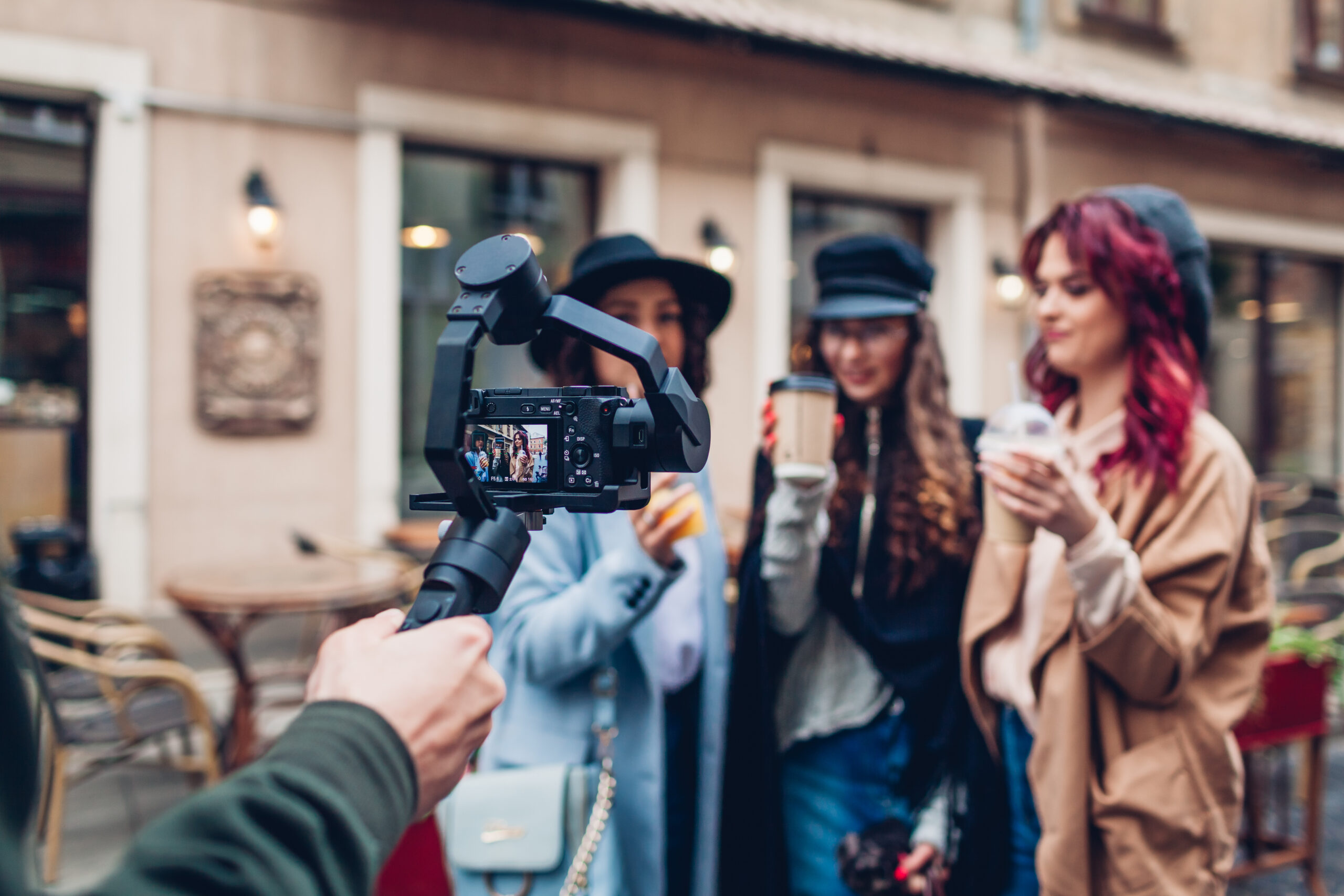 her uses a single spoken word to do it—at least not yet.
Casting Isn’t Just for Actors
Many marketing videos rely on real team members or customers instead of hired talent. That can be authentic—and risky. Without a director’s guidance, even confident people can come off as stiff or unengaging on camera.
That’s where experience behind the camera comes in. A professional video crew knows how to coach real people through a performance that feels natural. They help shape body language, vocal delivery, and tone so the final result feels smooth and confident—not cringey or flat.
If your video does call for actors, that casting becomes even more critical. The right face, voice, or body language can anchor the emotional tone of your entire piece. Remember: viewers might not recall every word, but they’ll remember how someone made them feel.
Audio Is 50% of the Experience
Sound is where a lot of marketing videos quietly fail. Poor voiceover quality, mismatched music, or no ambient sound at all can make a project feel amateur—no matter how beautiful the footage is.
Cinematic videos treat audio like a lead character:
- Sound design helps immerse the viewer (footsteps, doors closing, city ambience)
- Music is chosen intentionally—not from a random royalty-free folder
- Voiceovers are recorded and mixed for clarity, emotion, and rhythm
If your message matters, the sound needs to support it fully. Otherwise, it’s like watching a movie with the volume turned down.
The Ending Isn’t Just a Logo
You’ve led your viewer through a thoughtful, visual story. Don’t throw it away with a flat ending.
Too often, videos fizzle out with a quick fade to logo. A cinematic approach treats the final seconds as a payoff—a resolution. Whether it’s a visual transformation, a heartfelt quote, or a final piece of imagery that ties everything together, this is the viewer’s last emotional impression of your brand.
The logo should feel earned—not slapped on.
Even better? End with a gentle call to action that feels integrated into the story, not bolted onto the side. “Join us,†“See what’s next,†or “Start your own journey†work better than a flat “Click here.â€
Why This Approach Works—Even for Small Brands
You don’t need a Hollywood budget to think like a filmmaker. What matters most is intention. If every frame has a reason to be there, and the viewer feels something from start to finish, you’ve succeeded.
Cinematic storytelling works because it taps into how people already understand stories—from childhood books to blockbuster films. It plays to our emotions first, facts second. That doesn’t mean you skip the data or product benefits—it just means you wrap them in a narrative people want to watch.
Even a 30-second ad can follow this formula:
- Hook (emotion or mystery)
- Journey (pain point + solution)
- Resolution (benefit + brand promise)
You’re not just telling people what you do—you’re showing them why it matters.


Final Cut: Tell a Story Worth Watching
Great brand videos don’t happen by accident. They start with a clear intention, a script with structure, and a creative team that knows how to tell a story—not just shoot some footage.
If you want your audience to care, you need more than a checklist. You need a plot. You need emotion. You need purpose.
So the next time someone says, “We need a video,†pause and ask the better question:
“What story are we telling—and why will anyone want to watch it?â€
When you treat your ad like a movie, you don’t just get better engagement. You get something much more powerful—a message that sticks.
