


Areas We Cover
Categories

WHY NEW ZEALAND IS HOLLYWOOD’S FAVORITE BACKLOT — AND STILL ITS BEST-KEPT SECRET

New Zealand is often described as Hollywood’s open-air studio. From the rolling hills of Hobbiton to the dramatic fjords of Milford Sound, the country’s theatrical landscapes have anchored some of the world’s most iconic film productions. Yet despite its cinematic prominence, New Zealand remains less top-of-mind than more established filming centers. Exactly the paradox that makes it a compelling case study for cinema lovers.
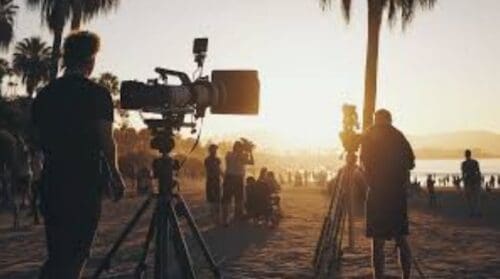
The Stage: Miramar and “Wellywood”
In Wellington’s eastern suburb of Miramar, Peter Jackson and his collaborators built what is sometimes called “Wellywood”: Wētā Workshop, Wētā FX, Park Road Post, Stone Street Studios, and other facilities. This infrastructure made Wellington the hub for effects-heavy, international blockbusters—including Avatar, The Lord of the Rings trilogy and King Kong. Miramar has even been hailed by Guillermo del Toro as “Hollywood the way God intended it.”
Landscapes That Speak Through the Lens
The South Island provides New Zealand’s natural studio: Lake Pukaki’s sweeping vistas doubled for Lake‑town in The Hobbit, Flock Hill stood in for alpine valleys, and Queenstown and Milford Sound supplied dramatic terrain for Mission Impossible – Fallout helicopter sequences. Even in the more tranquil north, places like Whangārei offer access to coastal scenery and relaxed filming environments — with local stays providing easy proximity to both town and nature. The result is a country whose real geography is simultaneously cinematic and infinitely adaptable.
Incentives and Industry Growth
Hollywood productions continue choosing New Zealand not just for beauty, but for economics. In May 2025, New Zealand announced a NZ$577 million injection into its International Screen Production Rebate scheme—offering up to 20 percent refundable rebates on feature production costs over NZ$15 million. The screen sector now generates NZ$3.5 billion annually, with around one-third derived from U.S. productions.
Despite global protectionist threats—such as proposed 100 percent tariffs on foreign-made films by the U.S.—New Zealand reaffirmed its position by pledging continued advocacy and highlighting reliance on foreign film investment.
Some Key Film Examples
- The Lord of the Rings trilogy was largely produced in Wellington and across the country, transforming both rural farmland and studio space into Middle-earth.
- King Kong (2005) was filmed at Camperdown Studios in Miramar, with reconstructed New York streets and studio sets in Lower Hutt and Auckland.
- Netflix’s The Power of the Dog used Central Otago’s Maniototo region, Dunedin and Oamaru for on-site exteriors, while interiors were shot on sound stages in Auckland.
Cultural and Economic Spill‑Overs
New Zealand’s flourishing screen ecosystem has elevated local tourism and inspired cultural pride. Hobbiton, now a premier Tolkien tourism site near Matamata, attracts tens of thousands annually to visit the reconstructed Shire set and Bag End. Meanwhile, on-the-ground spending by international crews and ripple effects in hospitality, post‑production services, and local employment have rendered the film industry a vital economic pillar.
Why It Remains “Secret”
Despite its global success, New Zealand’s film profile remains surprisingly understated. It isn’t Hollywood or London. It’s remote by geography, yet it boasts world-class talent and competitive incentives—with far fewer headline-seeking productions than other global hubs. This low profile has kept production costs manageable and locations fresh.
Final Curtain
New Zealand has earned its reputation as “Hollywood’s favorite backlot” through consistent delivery of spectacular visuals, top-tier studios, skilled crews, and economic savvy. Yet its quieter positioning—away from the relentless glare of major industry centers—makes it feel like a cinematic secret worth preserving. For those who value craft as much as spectacle, New Zealand stands out as an open set where geography becomes storytelling itself.
