


Areas We Cover
Categories

THEATER’S GAMBIT: WHEN EVERY LINE FEELS LIKE A BET

Theater has always thrived on tension. A single pause, a shift in tone, or an unexpected twist can change the entire mood of the room. It is this delicate dance between performance and audience that makes the stage so compelling. Every show is live, unedited, and impossible to replicate exactly. The unpredictability is part of its magic.
Audiences sit in the dark with the same thrill you might feel before rolling dice or shuffling cards. There’s a silent wager in the air—will the actor nail that difficult monologue, or will the scene stumble? This sense of chance feels a lot like placing a bet, only the stakes are emotional rather than financial. It’s the same human craving for risk and reward that drives people to platforms like ufabet, where anticipation and payoff fuel engagement. In both settings, suspense is what keeps us leaning forward.
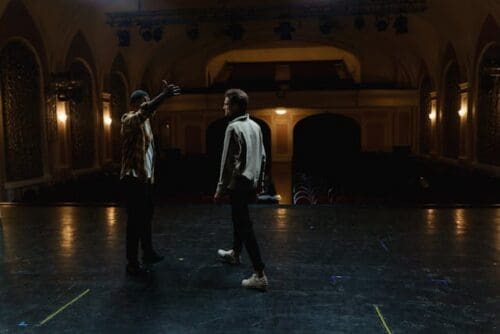
Risk in Every Performance
When an actor steps onto the stage, they are taking a gamble. Forgetting a line, missing a cue, or even overplaying a moment can shift the audience’s connection. The stakes are high because unlike film, there are no retakes. This tension transforms every choice into a risk worth watching.
Directors and playwrights also gamble. They place bets on whether a risky staging choice, unconventional pacing, or controversial theme will land with the audience. Sometimes it pays off with rapturous applause. Sometimes it falls flat. But the act of trying, of stepping into the unknown, is what makes theater so alive.
The Audience as Silent Players
While the actors perform, the audience is never passive. Viewers are constantly predicting outcomes. They wonder who will betray whom, which joke will land, or how the final act will resolve. Each guess is a private wager.
That’s why live theater can feel more thrilling than film. A movie’s outcome is fixed, but a stage performance is more fragile. A single mistake or moment of brilliance changes everything. This fragility turns each night into its own gamble, shared between actors and audience alike.
The Thrill of Surprise
Surprise is the ace card in theater. Think about the moment when a stage goes dark and a spotlight reveals a character you didn’t expect. Or when a play suddenly shifts tone from comedy to heartbreak. Those moments carry the same rush as an unexpected win in a game.
Surprise is not always comfortable. It can shock, unsettle, or confuse. But it always commands attention. Audiences crave it because it interrupts expectation and creates fresh energy. That tension between knowing and not knowing is what makes theater so memorable.
Drama and Chance
Theater and chance are more connected than they might seem. Both involve preparation and risk. An actor spends weeks rehearsing, but once the curtain rises, chance enters. The audience’s reaction, the chemistry between cast members, even the mood of the night—all these elements are beyond control.
This is why repeat visits to the same production never feel the same. Even with the same script, each performance is its own gamble. Will tonight’s energy click? Will the cast rise higher than before? Or will something unravel? This uncertainty fuels loyalty from theatergoers who enjoy the excitement of never knowing exactly what they’ll get.
Lessons from the Stage
Theater offers insights about risk that apply far beyond the arts. It reminds us that:
- Preparation can only take us so far. Chance plays its part.
- Taking risks is often the only way to create something unforgettable.
- The possibility of failure makes success more meaningful.
These lessons echo why humans are drawn to situations that mix risk with potential reward. Whether on stage or in life, the gamble is what makes the story compelling.
Why We Lean Forward
What keeps us glued to our seats during a performance is not certainty. It’s the opposite. The unknown fuels our curiosity. We watch because we want to see if the gamble pays off.
Theater thrives because it mirrors life in this way. We never know what will happen next, and we wouldn’t want it any other way. Every pause, every line, every scene is a wager. And when it lands, when the payoff is just right, it feels like winning something rare and unforgettable.

Curtain Call
Theater is not just about scripted words or staged choreography. It is about the gamble that lives within every choice and every reaction. That gamble creates electricity in the room. It ensures that no matter how many times a play is staged, no performance will ever feel the same.
And that is the theater’s greatest wager—betting that audiences will return again and again for the thrill of the unknown.
