


Areas We Cover
Categories

FROM STAGE TO SCREEN: HOW THEATER CONTINUES TO SHAPE MODERN CINEMA

by Michael Carr | September 22, 2025
in Film
Theater’s Heritage in Film Narratives
Stage art has always emphasized emotion, expression and metaphorical design. These features naturally migrated into the world of film, where cinematographers often use camera angles, shadows and rhythm to capture the same dramatic intensity. When movies borrow from plays, they inherit not only structural methods but also a reservoir of imagery. Gambling, risk and contests of chance are among the most enduring of these symbols, representing the uncertainty of human existence.
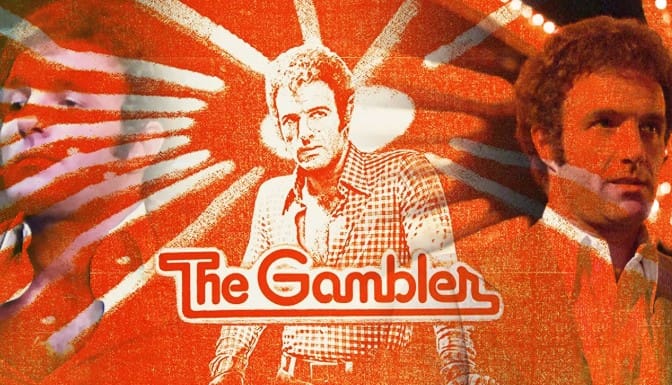
The Gambler: Inner Conflict as Drama
Stories like The Gambler (1974 and its 2014 adaptation) reveal how betting can represent internal struggle. The main character’s descent into addiction is framed almost like a stage tragedy. The tale is not solely about money gained or lost but about identity, obsession and survival. Theatrical roots can be seen in the dialogue-heavy exchanges and the focus on moral collapse, resembling a live play where the stakes are psychological rather than material.
Casino Royale: Suspense as Spectacle
The Bond franchise has always borrowed from the grandeur of stage performance, and Casino Royale (2006) is a perfect example. The central poker duel between Bond and Le Chiffre is arranged with the precision of a theater act. Every reveal of the cards, every facial expression and each pause before a wager heightens the dramatic effect. It is pure performance within film, showing how stagecraft’s ability to create tension through silence and gesture continues to shape modern motion pictures.
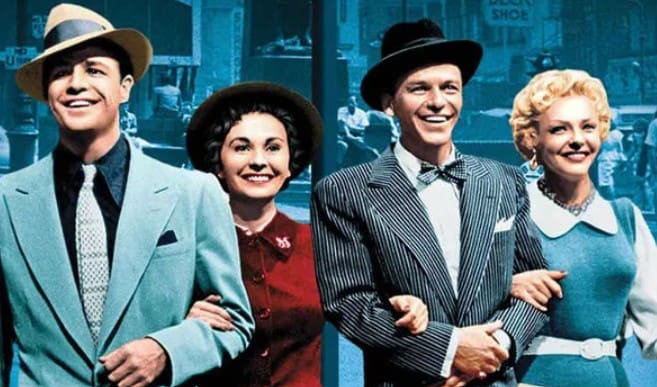
Guys and Dolls: From Broadway to Hollywood
No discussion of gambling motifs is complete without Guys and Dolls. The Broadway musical, later turned into a 1955 film, transforms dice games and wagers into vehicles for humor, love stories and rivalry. The gamblers are not merely comic figures but also representations of chance in relationships and life. The leap from stage to screen preserved the musical’s energy while expanding its visual scale. This transition highlights how theater continues to influence cinema by transforming abstract ideas such as risk into engaging stories.
Gambling as an Emblem of Human Life
On both stage and screen, gambling imagery goes beyond the literal act of betting. It becomes a creative emblem of choice, fate and imperfection. Theater pioneered this artistic device, and cinema carried it to worldwide audiences. Both mediums remind viewers that games of chance are reflections of desire, fear and ethical boundaries.
The Digital Era: New Arenas of Entertainment
In today’s environment, the fascination with gambling has also moved into interactive culture. Audiences engage with online platforms that replicate the same anticipation seen in plays and movies. Virtual games recreate the adrenaline of risk in accessible, stylish forms. One example is the burning hot game, which delivers colorful design and engaging play. Experiences like this prove that technology extends the theatrical tradition of turning chance into a spectacle, blending play and artistry for modern audiences.
Conclusion
From stage musicals to film dramas, the image of gambling shows how theater continues to influence cinema’s strongest moments. Stagecraft gave us the tools to perceive games of chance as metaphors. Film adopted these devices and magnified them into global narratives.
In both art forms, gambling is not simply about financial outcome. It is a storytelling instrument that embodies fate, uncertainty and the decisions that define our lives. From Guys and Dolls to Casino Royale, and from The Gambler to the digital excitement of the burning hot game, the stage’s heritage lives on in cinema, reminding us that the drama of chance is eternal.
