


Areas We Cover
Categories

THE ART OF PLAY: FROM STAGECRAFT TO DIGITAL PERFORMANCE
by Brandon Metcalfe | November 3, 2025
in Extras
Play has always been at the heart of human creativity. It is the impulse that drives both performance and imagination—the desire to transform ordinary experience into something meaningful. Whether in the gestures of an actor or the interactivity of a digital interface, play represents the moment where intention meets improvisation.
What we once called theater is now expanding into virtual space. The tools have changed, but the essence remains: expression, presence, and risk. As technology evolves, the art of playing has become less about imitation and more about participation.
The transformation of performance
Theater has always been a dialogue between performer and audience. In the ancient amphitheater, emotion was transmitted through the human voice and gesture. Film turned this exchange into permanence, allowing performance to travel through time. The digital age has redefined it again—performance now happens everywhere and nowhere at once.
The modern performer may never meet the audience, yet the exchange is immediate. Viewers interact, respond, and even shape the outcome. Performance becomes fluid, shared, and collaborative—a networked event rather than a singular act.
When interaction becomes art
Digital performance differs from traditional acting not in purpose but in structure. Where the stage once relied on presence, the screen relies on connection. Interactivity transforms the audience into a creative participant.
The artistry of this new medium lies in balance. The system provides rules and rhythm; the participant provides interpretation. Together, they form a living narrative.
In this context, platforms such as Spinaro Casino illustrate how design itself can become a kind of performance. Every decision, visual cue, and moment of suspense is choreographed to engage users emotionally and cognitively. The act of interaction becomes expressive—a dialogue between human intuition and programmed response.
The performer within the player
All play carries performance within it. To play is to assume a role, to make choices that shape outcome and meaning. In the digital realm, these roles multiply: the user becomes both observer and creator.
This blurring of boundaries defines the aesthetics of contemporary art. The performer no longer stands apart from the audience; the audience completes the performance. Online, every gesture—every click, choice, or pause—contributes to the narrative.
Spinaro Casino, for example, captures this dynamic. It transforms interaction into improvisation, allowing participants to engage in structured spontaneity. Like actors in a scene, users navigate uncertainty through rhythm, intuition, and presence.
Technology as a stage
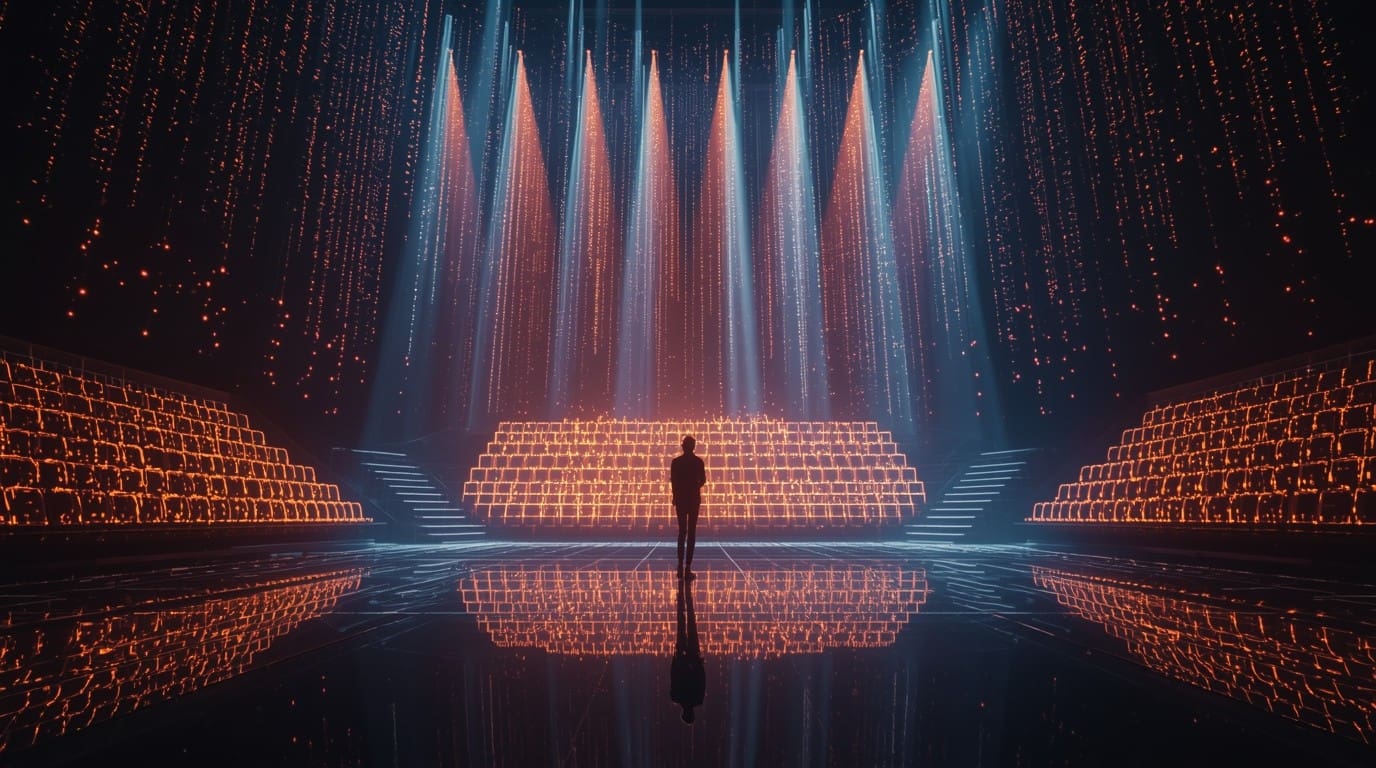
The stage once required architecture, light, and proximity. Now it exists in networks, screens, and code. Technology has become both the set and the silent co-performer. Artificial intelligence, motion capture, and algorithmic design extend what artists can express and how audiences can perceive it.
This partnership reshapes creative authorship. The artist no longer dictates meaning; they construct a framework that responds. The emotional arc of the work emerges not from repetition but from interaction.
In digital art, technology becomes an improvisational partner—a collaborator that listens, adapts, and reacts in real time.
Emotion through design
The success of any performance, digital or live, depends on emotion. Yet emotion in the digital context must be designed. Every sound, delay, or motion cue guides attention the way an actor’s breath might hold an audience in silence.
Platforms like https://spinaro-casino.com/ use design language that mirrors theatrical composition. Timing replaces dialogue, rhythm replaces narrative, and movement replaces gesture. The effect is immersive: the user feels present in a sequence of moments rather than detached from them.
This controlled pacing, familiar to theatergoers, reminds us that art is not about spectacle but structure—the architecture of emotion itself.
The tension between risk and control
Theater thrives on risk: a performance can fail or soar, but it must remain unpredictable to feel alive. The same principle defines digital play. The user enters a system of rules and chance, navigating the line between mastery and surrender.
Risk, paradoxically, gives shape to art. It heightens awareness and creates suspense. Spinaro Casino embodies this logic within its interactive environment. The platform turns uncertainty into rhythm—each decision and reaction forming part of a continuous performance.
As in theater, repetition does not diminish emotion; it refines it. Each encounter, though similar, feels distinct because it exists in a unique moment of choice.
The collective stage of the digital age
Technology has democratized performance. The tools once reserved for trained artists—sound editing, visual manipulation, audience engagement—are now accessible to anyone with a screen. The result is a world where performance is no longer a privilege but a mode of communication.
This democratization changes the role of the artist. It is no longer about exclusivity but intention. Every live stream, interactive story, or digital collaboration becomes an act of performance—a shared creative space where boundaries between artist and audience dissolve.
In environments like Spinaro Casino, the sense of shared engagement reflects this new artistic condition. The collective experience replaces the solitary act; performance becomes community.
Redefining art through play
As art migrates into virtual spaces, its purpose remains constant: to explore what it means to be human. Play provides the structure for that exploration. It invites participation, demands awareness, and rewards imagination.
Digital performance expands this philosophy into the realm of technology. The stage may now be coded, but the performance is still emotional. The gestures may be virtual, yet the reactions are real.
Art, in this context, becomes less about representation and more about interaction. It is not something presented—it is something experienced.
The continuity of creation
Across centuries, art has evolved through new mediums, but the act of play has remained its foundation. Whether on a physical stage or a digital screen, performance unites imagination and reality. It reminds us that participation is itself a creative act.
Platforms like Spinaro Casino show how technology can host performance without replacing it. The player becomes the actor, the interface becomes the set, and emotion remains the script.
In this convergence of art and code, the essence of play endures. It is still a human gesture—a moment of risk, rhythm, and discovery that bridges the past and the future of performance.
