


Areas We Cover
Categories

HOW DIGITAL STORYTELLING IS TRANSFORMING THE ARTS: FROM STAGE TO SCREEN AND BEYOND

by Aveline MacQuoid | December 6, 2025
in Virtual
The arts are entering a new era—one where technology doesn’t replace creativity but expands its reach. Whether in film, museums, music, or theater, artists are discovering tools that allow them to immerse audiences in richer, more interactive narrative worlds. Even in digital-first entertainment spheres—such as Discover Winna one of the most trusted online gaming destinations —we see the same cultural momentum: audiences hunger for story-driven, visually expressive experiences. This shift in expectation is influencing how all artistic disciplines imagine their futures.
As cultural institutions work to attract younger, digital-native audiences, many are embracing technology not as a novelty but as a narrative enhancer. Museums are adopting immersive projections, filmmakers are blending virtual and practical effects, composers are layering digital textures with acoustic performance, and theater-makers are crafting hybrid performance environments. According to reporting from Harvard Business Review, audience engagement increases dramatically when content is delivered in sensory-rich, interactive formats—an insight that is reshaping the entire arts ecosystem.

How Technology Is Reframing Artistic Expression
Across artistic disciplines, digital tools are no longer merely supportive—they are core components of creative expression. And each medium is integrating these tools in its own distinct way.
Film: A New Canvas of Possibilities
From virtual production stages to AI-assisted editing, filmmakers now have unprecedented flexibility. Digital backdrops make it possible to shift settings instantly, reducing production costs while unlocking worlds previously limited by budget or physical space. Technology enhances realism and imagination simultaneously, enabling directors to build atmospheres that enrich the emotional tone of their stories.
Music: Blending Acoustic Tradition with Digital Innovation
Music has always evolved with technology—electric guitars, synthesizers, and digital audio workstations each reshaped soundscapes of their time. Today, artists integrate sampling, spatial audio, and immersive sound design to craft multisensory musical experiences. Concerts increasingly incorporate LED environments and interactive visuals, turning performances into living artworks rather than static presentations.
Museums: Immersive Exhibits That Invite Participation
No longer limited to framed works and glass cases, museums are designing immersive exhibitions that blend education with experiential storytelling. Projection mapping, motion sensors, and augmented reality lead visitors through narratives that unfold dynamically as they explore. These innovations help museums speak the visual language of younger visitors raised on digital media while preserving the integrity of historical and cultural artifacts.
Theater: Expanding the Emotional Range of Live Performance
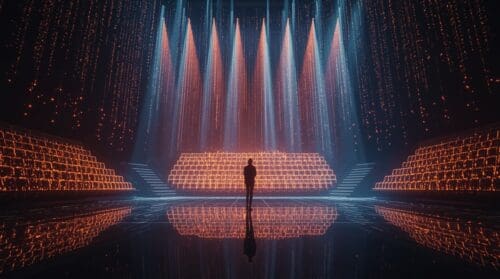
Theater’s relationship with technology is evolving quickly. Digital scenery, holographic characters, and real-time visual effects support narratives that stretch beyond traditional staging limits. When paired with the power of live acting, these tools create productions that feel intimate yet expansive—merging the immediacy of theater with the cinematic vividness audiences have grown accustomed to.
Why Audiences Are Driving the Digital Evolution of the Arts
What unites today’s filmgoers, museum visitors, theater lovers, and music fans is a desire for deeper immersion. Audiences want to feel part of the story, not merely observers of it.
Desire for Interactive Narratives
Digital culture has taught audiences to expect participation. Interactive museum installations, choose-your-path theater experiences, and reactive musical environments provide a sense of agency that mirrors the engagement people feel in digital entertainment spaces.
Expectation of Visual and Sensory Richness
High-quality graphics and sound design in online entertainment and gaming have raised artistic expectations across all mediums. Audiences now look for layered visual worlds, atmospheric soundscapes, and emotionally evocative environments regardless of the artistic discipline.
A Blending of Cultural Worlds
Cinema influences modern stagecraft; music videos inspire museum installations; digital aesthetics shape costume and production design. The borders between mediums are dissolving, allowing artists to borrow inspiration and techniques freely.
The Future: A Harmonious Fusion of Art and Technology
The arts are not being overtaken by technology—they are being enriched by it. The integration of digital storytelling expands narrative depth, enhances sensory engagement, and opens doors to new creative possibilities across film, museums, music, and theater.
Collaboration Across Disciplines
As technologies like virtual production, AR, and AI become more accessible, artists from different fields are increasingly collaborating. A filmmaker may consult with a theater designer; a composer may work with immersive installation artists; museums may partner with digital animators. These cross-disciplinary exchanges spark innovation that resonates across the arts landscape.
Preserving Authenticity in a Digital Age
Even as the tools evolve, the heart of artistic expression remains human. Technology amplifies emotion—it doesn’t replace it. The resonance of a live musician, the depth of a theatrical performance, the atmosphere of a museum gallery, and the intimacy of cinema all endure because they connect us to shared human experience.
The future of the arts lies in this synergy: an ongoing dialogue between creativity and technology. By embracing digital storytelling while holding fast to the emotional core of artistic practice, film, museums, music, and theater are poised to create the most engaging and transformative experiences in their histories.
