


Areas We Cover
Categories

2026 ECO-FRIENDLY STATIONERY: MD PAPER & REFILLABLE GEL PENS
We’re Noticing the Waste (And Finally Doing Something About It)
If you’ve ever opened a desk drawer and discovered several half-used notebooks or a handful of pens that mysteriously stopped working, you’re definitely not alone. Many people in 2026 are becoming more aware of how quickly stationery accumulates—especially with the rise of hybrid work, note-taking routines, and personal journaling. It’s not dramatic, but there’s a quiet shift toward being more mindful of what we buy and how we use it.
What people are discovering is that most stationery waste doesn’t come from materials or packaging—it comes from how frequently items get replaced. That’s one reason why more users are gravitating toward tools designed to last. Among them, two options stand out for their practicality and low-waste approach: the minimalist MD Paper notebook and today’s increasingly popular eco friendly and refillable gel pens.
Together, they reflect a simpler, more realistic take on sustainability:
use fewer things, use them longer, and enjoy them more.
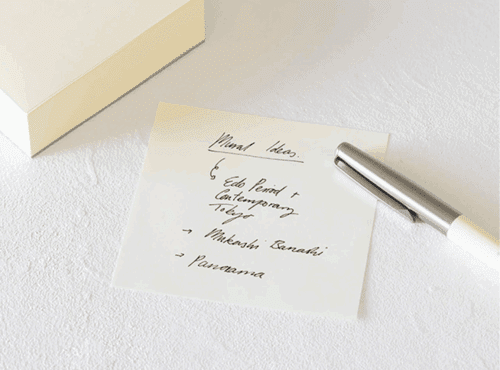
What “Eco-Friendly Stationery” Really Means in Daily Life
For many people, eco-friendly stationery doesn’t start with certifications or industry terminology—it starts with an everyday question:
“How do I waste less without complicating my routine?”
From conversations across journaling communities, study groups, and home offices, several observations keep coming up:
Products that last naturally create less waste
A notebook that stays functional for six months usually results in fewer discarded items than switching frequently between trend-driven designs.
Refill systems matter more than people expect
Replacing a small ink cartridge instead of a whole pen body can significantly reduce plastic waste over time.
Minimal packaging helps, but longevity has a bigger impact
Thin wrapping or simple kraft paper isn’t just aesthetic—it avoids unnecessary materials. And over years of use, a durable notebook or pen system saves far more resources than any packaging choice.
These aren’t strict rules but practical patterns many users find easy to adopt.
Why MD Paper Encourages Long-Term Use
The MD Paper notebook has earned a reputation among writers and journalers who want something durable, minimal, and consistent. While preferences vary, plenty of users appreciate it for one simple reason: it supports long-term use without fuss.
A notebook built for everyday reliability
MD Paper notebooks—available in A4, A5, and A6—use a lay-flat binding that feels sturdy without being bulky. Many users note that the notebooks hold up well over months of regular writing, making them a dependable choice for daily notes, planning, journaling, or creative work.
Because the design is simple and not tied to fast-changing seasonal trends, people often feel less pressure to replace it for aesthetic reasons. One notebook tends to stay relevant until the last page is filled.
Paper designed for a smooth, low-waste writing experience
The cream-toned MD Paper is known for being fountain-pen-friendly, which often means:
- smooth writing with minimal drag
- very little bleed-through
- both sides of a page remaining usable
These qualities help extend the notebook’s functional life—users can write confidently without skipping pages or doubling paper usage due to ink issues.
Accessories that extend the life of the notebook
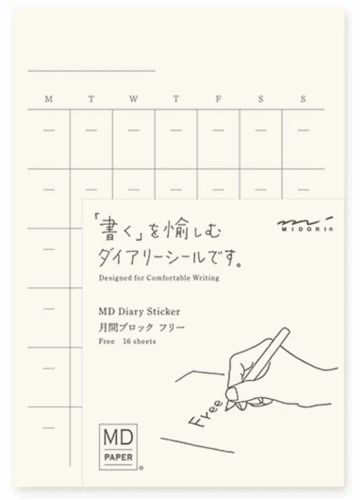
MD Paper’s clear covers and paper covers—featured on the product page—are durable enough to be reused across multiple notebooks. This reduces waste and helps the notebook withstand months of wear. Loose sheets and memo pads also provide a small-space option for quick notes, preventing unnecessary tearing from the main notebook.
Eco-Friendly Refillable Gel Pens: A Small Switch with a Big Impact
While notebooks can last months, pens often disappear or dry out much faster. Many students, office workers, and journalers mention going through disposable pens quickly—sometimes without finishing the ink. That’s why more people are turning to eco friendly and refillable gel pens as a simple, low-waste alternative that doesn’t change their writing habits.
This is where refillable gel pens offer a practical alternative.
A refill replaces the entire pen body
A growing number of users choose refillable pens because they allow the same barrel to be used repeatedly. On Paper Whisper’s writing tools page, refills are widely available for brands like Uni-ball, Zebra, Pilot, and Pentel—making it easy to keep using a pen you already enjoy.
A single pen body may last a year or longer, while individual refills can last months depending on usage.
Simple, compatible, and smooth to write with
Refillable pens are often smoother and more consistent than disposable ones. Many people find that once they get used to replacing ink cartridges, it becomes second nature—easier than buying new pens repeatedly.
Choosing a low-waste pen setup
A realistic setup many users adopt includes:
- one reliable pen body
- two or three compatible refills
- optional multi-pen systems for color users
This prevents the common issue of buying several pens “just in case,” only to lose them or let them dry out.
Sustainable Habits Make the Biggest Difference
Products matter—but small habits often determine how sustainable someone’s desk setup truly feels.
Minimal packaging is a plus, but longevity is key
Paper Whisper’s stationery generally comes in simple, lightweight packaging, which helps. But over the long run, using tools for months rather than weeks has a much larger impact.
Use fewer things for more purposes
A few practical habits many people adopt:
- keeping one main notebook instead of multiple themed ones
- using refills instead of new pens
- reusing notebook covers
- turning small offcuts or memo pads into daily task notes
None of these require major lifestyle changes—they simply make good tools last longer.
How to Build a Simple, Eco-Friendly Stationery Setup for 2026
A sustainable stationery setup doesn’t need to be elaborate. Here’s a realistic starting point:
The long-life notebook setup
Choose an MD Paper notebook in a size you’ll use consistently. Add a clear or paper cover to protect it, and use index tabs to organize different types of notes in one place.
The refillable pen setup
Pick a gel pen that feels good in your hand and works well with your writing style. Keep a few refills on hand so you’re not tempted to buy multiple disposable pens.
A low-waste daily routine
Use scrap paper for quick reminders, finish notebooks before replacing them, and let refillable pens become your everyday default.
Conclusion — Better Tools, Less Waste, Same Joy of Writing
Eco-friendly stationery doesn’t have to feel complicated or restrictive. In 2026, it often means choosing tools that naturally reduce waste through long-term use and simple refill systems. A durable MD Paper notebook and a dependable refillable gel pen can replace piles of disposable alternatives—without changing how you write.
Small adjustments add up over time. One notebook, one pen, countless pages—used well.