


Areas We Cover
Categories

HOW STAGE DESIGN HAS TRANSFORMED PERFORMING ARTS THROUGH AGES

Have you ever wondered how a stage can completely change the feel of a performance?
Stage design has always shaped the way we experience performing arts. From simple backdrops to elaborate sets, it sets the mood and brings stories to life.
Discover the magic behind stage design and see how it continues to transform shows today. Explore more about the art of stage design and get inspired for your next performance!
Learn From Classic Theater Sets
Classic theater sets hold many lessons for modern stage design. They show how simple elements can create powerful effects. Using basic props and backdrops, designers told stories clearly and effectively. These sets remind us that creativity does not always need advanced technology.
Studying old theaters helps designers understand space and audience focus. It also inspires ideas for new performances. Even today, many stage designers borrow techniques from classic sets. Learning from the past helps improve the future of performing arts.
Explore Modern Stage Trends
Modern stage design uses new ideas to make performances exciting. Designers add lights, screens, and moving sets to tell stories in a fresh way. Sound and visuals work together to keep the audience interested. These changes make every show feel more alive and special.
Looking at current trends helps artists try new things on stage. Many performances now mix technology with traditional designs. Exploring these ideas gives shows a modern look and feel. Using new trends keeps stage design creative and fun for everyone.
Nature can also be a deciding factor when building dynamic stage environments for live productions. Many designers use a rolling planter with wheels to easily shift lush greenery around the set during quick scene changes. This flexibility allows stage crews to transform the mood of a scene in seconds without interrupting the flow of the performance. Integrating mobile organic elements brings natural texture to the stage design while maintaining total practical control.
Use Colors to Set the Mood
Colors help create the feeling of a scene on stage. Bright colors can make a performance feel happy and lively. Dark colors can make it feel serious or sad. Using colors well helps the audience understand the story better.
Designers carefully pick colors for each part of the show. Warm colors like red and yellow bring energy, while cool colors like blue and green feel calm. Mixing colors can show emotions or changes in the story. Thoughtful use of color makes performances more engaging and memorable.
Create Depth With Layers
Adding layers to a stage creates depth and interest. Different levels, props, and backdrops make the scene feel real. Layering helps focus the audience’s attention on important parts. It also makes the performance more dynamic and exciting.
Designers use foreground, middle, and background elements to build layers. This technique can show space, distance, and movement clearly. Layering allows stories to feel more alive on stage. Thoughtful use of layers improves the overall visual experience for viewers.
Play With Lighting Effects

Lighting can change the mood of a performance instantly. Bright lights make scenes feel lively, while dim lights create a calm or tense atmosphere. Different colors and angles of light add drama and focus. Using lighting well helps tell the story without words.
Designers experiment with spotlights, shadows, and colored lights. Lighting can guide the audience’s attention to important actions or characters. It also makes the stage look more interesting and dynamic. Good lighting enhances the overall experience of the performance.
Incorporate Technology Smartly
Technology can make stage performances more exciting and engaging. Using screens, projections, and sound effects adds depth to the story. Smart use of technology enhances the scene without distracting the audience. It helps create a modern and memorable experience.
Designers need to balance technology with traditional stage elements. Too much tech can overwhelm the performance, while the right amount can impress viewers. Combining new tools with classic design makes shows unique. Thoughtful use of technology keeps stage design creative and effective.
Focus On Audience Perspective
Stage design should consider how the audience sees the performance. Placing props, lights, and actors carefully helps everyone enjoy the story. Thinking about different seating angles improves the viewing experience. A clear perspective makes the performance easier to follow.
Designers plan the stage to guide the audience’s attention. Key actions and scenes should be visible from every seat. Using height, layers, and lighting can help focus the view. Keeping the audience in mind makes shows more engaging and enjoyable.
Mix Traditional and Modern Styles
Using both traditional and modern styles makes stage design more exciting. Old-style props and decorations can be combined with new lights and screens. This mix helps the story feel fresh and interesting. It also keeps the audience engaged throughout the performance.
Designers can use classic costumes with modern set designs. Blending old and new ideas creates a unique look for each scene. This approach allows creativity and innovation on stage. Mixing styles helps performances feel lively and memorable for everyone.
Highlight Key Story Moments
Stage design can show the most important parts of a story. Using lights, props, or colors can draw attention to key moments. This helps the audience understand what is happening. Highlighting important scenes makes the performance more exciting.
Designers plan the stage to guide the viewer’s eyes. Important actions or characters are placed where everyone can see them. Using focus and contrast can make moments stand out. This approach keeps the story clear and engaging for the audience.
Make Spaces Flexible
Flexible stage spaces allow scenes to change easily during a performance. Movable sets and props help create different settings quickly. This makes the story flow smoothly without long breaks. Flexible spaces also give designers more creative options.
Designers can use sliding panels, rotating stages, or modular pieces. These tools let the stage transform for different scenes. Changing spaces keeps the audience engaged and interested. Flexible design makes performances more dynamic and fun to watch.
Embrace Minimalist Designs
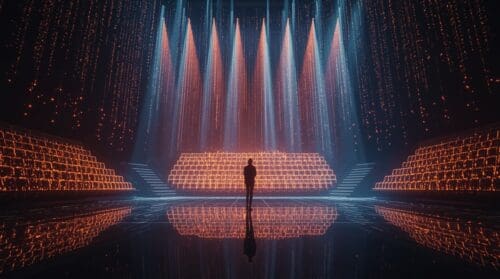
Keeping stage designs simple can make performances stronger. Minimalist sets use fewer props and decorations. This helps the audience focus on the actors and story. Simple designs can look clean and modern.
Using open spaces and basic shapes can create a clear stage. Designers can also add colors or lights for effect. Minimalist designs make scenes easy to understand. For practical setups, you can find materials to shop stage floors and improve the look of your stage.
Explore the Evolution of Stage Design
The evolution of stage design shows how creativity and technology shape performing arts.
From simple backdrops to dynamic, immersive sets, each change has enhanced storytelling. Stage design continues to inspire both artists and audiences alike.
Did you find this article helpful? Check out the rest of our blog for more!
