


Areas We Cover
Categories

HOW ONLINE CASINOS BORROW VISUAL STYLES FROM FILM

by Aveline MacQuoid | January 17, 2026
in Extras
Movies and online casinos seem like two very different worlds, yet they share a secret handshake: style. When a player logs into an online gaming lobby today, the splash screens, animated reels, and even the loading bars often feel strangely cinematic. Designers have learned that the language of film—its bright colors, dramatic angles, and cliff-hanger pacing—helps keep visitors glued to the screen. That is why reviewers who track gambling trends point to https://casinoerudenomrofus.com/ as an example of a site that turns film flavor into digital attraction. By borrowing proven tricks from Hollywood, casino developers make games easier to understand and harder to quit. Players might not notice the references on a conscious level, but their eyes recognize the patterns. The mind says, “I have seen this in a blockbuster, so it must be fun.” This article explores five key areas where the movie industry has loaned its look to internet gaming, showing how color, camera work, storyboards, characters, and music shape the modern casino floor made of pixels rather than plush carpet. Along the way, readers will learn not only what works, but why these techniques tap deep into human perception and memory.

Cinema’s Color Palettes on Slot Screens
Filmmakers have long used color to set mood faster than dialogue, and online casino artists follow this strategy when designing slot backgrounds and button highlights. Deep reds symbolize danger and excitement, while gold symbolizes wealth and reward. Just think of Indiana Jones’ treasure-filled glow! A popular jackpot game might use similar tones to give its reels that same warm, treasure-seeker vibe to create the same sensational hunter feel for players. Cool blues evoke sci-fi scenes while conveying calm control – perfect for card tables where strategy matters. Designers use focus groups to test color palettes just as studios conduct test screenings of movies. If a group blinks more slowly during a blue sequence, its shade becomes lighter until attention rises again. High contrast often seen in modern superhero films also helps the icons pop for mobile players who squint at small screens. Casino developers use each hue as an effective storytelling device to turn a simple spin button into an immersive visual prop worthy of Hollywood. Their selections are supported by neuroscience studies showing that warm tones release dopamine slightly faster than cooler tones, amplifying the thrill of an almost-miss.
Camera Tricks Turned Interface Magic
Hollywood directors use tracking shots, zooms and quick cuts to direct viewer attention towards specific shots or scenes; online casino interfaces use these camera tricks as animated transitions in their casino interfaces. When a player wins, for example, reels may seem to rush forward quickly in response to winning, similar to how heroes push-in before an epic revelation. Slow-motion confetti borrowed from sports replays enables your brain to soak in victory even longer than before. Even the lobby menu acts like a horizontal dolly, moving past game posters like someone walking down an arthouse theater hallway. Motion paths are not chosen randomly; editors use an “editorial three-second rule”: each movement either advances information or increases emotion. Too slowly and the thrill is lost; too quickly and the message gets lost in translation. Developers also utilize artificial shake effects similar to handheld cameras used during action scenes for bonus rounds without adding complex code. Mobile latency influences animation length; an effective two-frame ease-out conceals network delays to maintain an illusion of buttery smooth film quality. These subtle nods to cinematography keep the interface lively while providing players with enough clarity to track their bets and manage them efficiently.
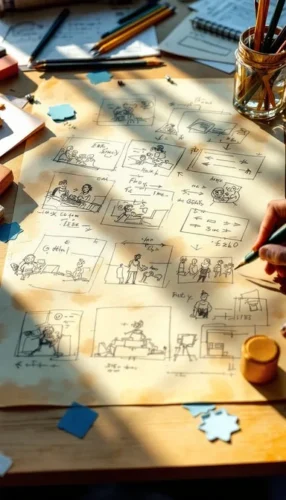
Storyboards Shape Game Flow
Before any frame of film is shot, artists use storyboards to plan sequence and pacing. Online casino developers apply this same blueprint method when developing bonus rounds and mini-games. Each panel in a storyboard represents one state in a game’s journey: introduction, rising action, climax and resolution. This structure helps keep players focused as it guides film crews during production. Visual cues like an arrow pointing towards the next button or treasure chest emulate how directors mark camera movement with pencil marks on paper, leading test groups to report less confusion when these cinematic roadmaps were employed compared with games which simply stack symbols onto screens. Furthermore, suspense curve is important. A typical video slot may take less than three seconds to spin around once; however, bonus games often span 30 seconds with clear beginning, middle, and end points. By aligning reveal moments with psychological peaks identified in movie studies, designers increase retention and average session length. Casinos even hire retired storyboard artists from animation studios for added pacing and comedic timing expertise – turning random chance into an engaging narrative journey that feels both familiar and new.
Iconic Characters as Game Symbols
Audiences love recognisable faces, and casino games make full use of this tendency. Although licensing fees for official movie characters may be expensive, developers frequently create “lookalike” heroes which evoke classic roles without crossing legal lines. An avatar featuring a fedora-wearing explorer, caped vigilante or wisecracking space pilot can evoke memories from classic blockbusters immediately. They replace generic fruit symbols on traditional slot machines with story-oriented avatars to give each spin meaningful meaning and impact. Character design also impacts symbol hierarchy: for example, the protagonist could act as the wild symbol, the antagonist as scatter symbols and sidekicks as mid-level players – mirroring how supporting actors help flesh out main stories. Animations triggered upon big wins often depict iconic poses–such as raising a sword to the sky or twirling it back into its holster–to create emotional payoffs that mirror end-of-battle scenes. By embedding iconic archetypes, casinos tap into viewers’ preloaded emotional files more quickly and actively promote an increase in staying and watching the story play out to its completion.

Soundtracks That Build Suspense
Soundtracks that Build Tension Music has the ability to convey feelings that cinema cannot, including how an audience should react even before characters speak their lines. Online casino background tracks use this same principle – for example a gentle string hum may play when normal spins take place – just as cinema does in dialogue scenes. As the bonus round approaches, drums and brass horns blare to signal its arrival – similar to trailer-style “BRAAAAM!” announcements – signalling something big is about to happen. Sound designers rely on tempo matching: heart rate studies have demonstrated that beats per minute between 120 and 140 increase adrenaline, so jackpot moments typically fall within this range. Audio cues such as coins clinking, crowd cheering and whispered “Big Win!” all serve to accentuate jackpot moments and heighten adrenaline–akin to how movies use Foley effects over music for increased depth. Critically, soundtrack loops are composed to fade rather than end abruptly to avoid player fatigue and click away prematurely. Muting audio may be possible; however, analytics reveal that sessions with active audio last several minutes longer. Casinos ensure every spin feels like the culmination of an exciting summer blockbuster through carefully composed scores that build tension and release over time.
