


Areas We Cover
Categories

HOW USED CLASSIC LUXURY BAGS DEFINE CHARACTER ARCHETYPES ON SCREEN

by Susan Hall | January 22, 2026
in Extras
When a character walks onto a stage or enters a camera frame, the audience begins to form an opinion before a single line of dialogue is spoken. Costume designers understand that every item an actor wears serves as a silent narrator. A watch, a pair of shoes, or a coat tells a story of wealth, ambition, or desperation. Among these tools of the trade, the handbag stands out as perhaps the most potent symbol of identity. It is an intimate object that carries a person’s essentials, yet it is also a public declaration of status and taste.
In film and theater, the choice of an accessory is never accidental. A pristine bag might signal a character who is rigid and controlled, while a bag with a soft patina suggests a person with a rich history and a comfortable relationship with their own success. These items act as a visual shorthand, allowing the audience to immediately categorize a character within a specific social or psychological archetype. From the high-stakes boardrooms of modern dramas to the romanticized streets of period pieces, certain silhouettes have become inseparable from the personalities they represent.
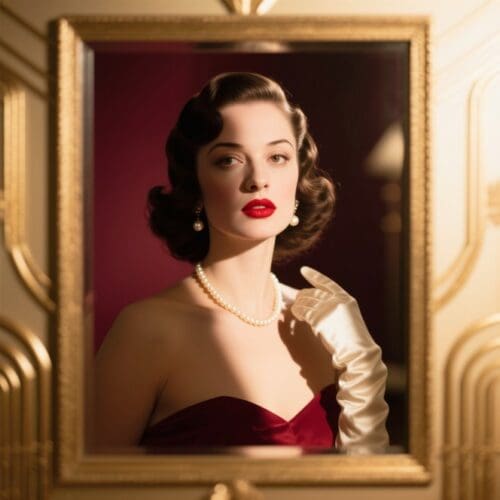
The Power Player and the Shield of Status
In the world of high finance and political maneuvering, accessories function as both armor and a badge of office. When a costume designer needs to establish a character as a member of the global elite, they often turn to the most recognizable icons of the fashion world. The Hermès Birkin and the Kelly are the gold standards for this archetype. These bags do not just represent money. They represent access and patience. Because these items are notoriously difficult to acquire through traditional retail channels, seeing one on screen immediately tells the viewer that the character possesses significant influence.
The secondary market plays a crucial role in how these characters are perceived. Using used classic luxury bags in a production adds a layer of realism that a brand-new item cannot provide. An older Birkin with a slight softness to the leather suggests that the character did not just suddenly come into money. Instead, it implies a long-standing seat at the table of power. In the film Blue Jasmine, the protagonist clings to her Birkin even as her life falls apart. The bag is her last remaining link to a world of privilege and a visual reminder of the status she is desperate to maintain. It is more than a container for her belongings. It is her identity. For the Power Player archetype, the bag is a shield that projects confidence and commands respect from everyone in the room.
The Ambitious Professional and the Tool of Efficiency
While the Power Player uses a bag as a symbol of arrival, the Ambitious Professional uses it as a tool for the journey. This character is often seen in fast-paced urban environments, balancing a demanding career with an equally demanding social calendar. For this archetype, the bag must be functional without sacrificing an ounce of style. The Louis Vuitton Neverfull or the Prada Galleria often fill this role. These bags are designed to carry the weight of a busy life, from laptops and files to a change of shoes for an evening event.
The Neverfull, in particular, has become the cinematic symbol of the woman who does it all. Its presence suggests a character who is organized, practical, and upwardly mobile. Unlike the more structured bags of the elite, these totes imply a sense of movement and activity. They are the bags of characters who are still building their empires. When a viewer sees an actor carrying a well-loved leather tote, they recognize a person who values quality but prioritizes utility. The bag is an extension of their work ethic. It is reliable, durable, and universally respected, much like the character themselves.
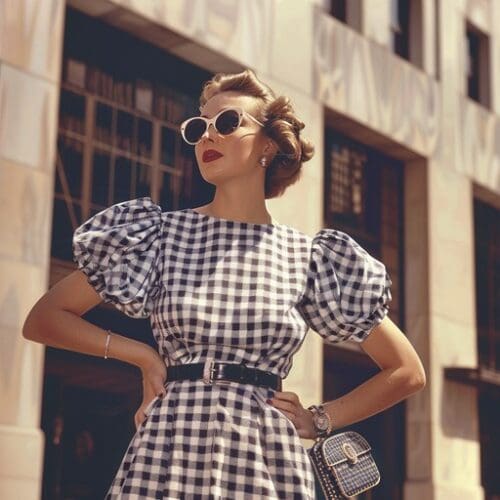
The Timeless Rebel and the Spirit of Independence
Some characters refuse to be defined by the traditional markers of success. They are the artists, the intellectuals, and the socialites who prefer to set trends rather than follow them. For these individuals, the Chanel 2.55 or the Classic Flap bag serves as the perfect accessory. While Chanel is undeniably a symbol of luxury, its history is rooted in rebellion. Coco Chanel designed the original 2.55 to free women’s hands, allowing them to lead more active and independent lives.
On screen, this bag often belongs to the character who moves through life with a certain nonchalance. They might pair a vintage Chanel flap with a leather jacket or a simple sundress. This archetype suggests that luxury is a personal choice rather than a social requirement. The bag is often passed down through generations in these stories, serving as a connection to a rebellious or glamorous ancestor. It represents a type of cool that cannot be bought off a shelf. It is a quiet confidence that doesn’t need to shout to be heard.
The Jet-Set Adventurer and the Heritage of Travel
Travel is a frequent theme in storytelling, and the way a character travels says a lot about their background. The Louis Vuitton Speedy and Keepall are the quintessential bags for the Jet-Set Adventurer. These pieces were born from a heritage of trunk making, and their presence on screen immediately evokes the golden age of travel. Whether a character is boarding a private jet or a vintage train, these bags suggest a life lived across borders.
This archetype is often worldly and cultured. They are at home in any city, and their luggage reflects a preference for timeless endurance over fleeting trends. The monogram canvas is a global language of luxury, but it also speaks to a sense of tradition. In film, these bags are often used to show a character’s transition or their desire for escape. They are sturdy and reliable, qualities that often mirror the character’s own resilience. A worn in Keepall suggests a person who has seen the world and isn’t afraid to get their hands dirty, provided they look good while doing it.
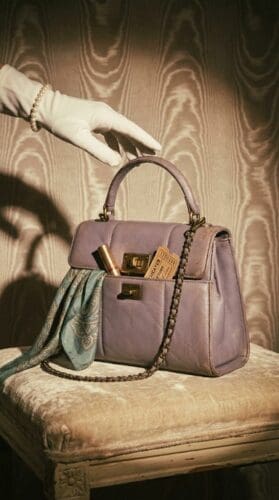
The Modern Minimalist and the Quiet Luxury Movement
In recent years, a new archetype has emerged in both fashion and film: the Modern Minimalist. This character values quality above all else but shuns obvious branding. They are the practitioners of “quiet luxury.” The Celine Luggage bag or the Box bag are perfect examples of this aesthetic. These bags are defined by their architectural shapes and impeccable craftsmanship rather than logos.
When a character carries a Celine bag, it signals a high level of sophistication and self assuredness. They do not need a logo to prove their worth. They know the quality of the leather and the precision of the stitching, and that is enough. This archetype is often found in roles requiring an air of intellectualism or understated power. They are the gallery owners, the architects, and the high-end designers. Their bag is a reflection of their refined palate and their rejection of the loud and the gaudy.
The Aristocratic Traditionalist and the Legacy of Elegance
There is a specific type of character found in period dramas and stories about old money families who adheres to a very strict code of elegance. For this archetype, the Lady Dior bag is the ultimate accessory. Named after Princess Diana, the bag carries an association with royalty and traditional femininity. It is structured, ladylike, and inherently formal.
In theater and cinema, the Lady Dior identifies a character who respects heritage and protocol. They are likely to be found at charity galas or high society weddings. The bag represents a world where manners and appearance are paramount. It is a piece that demands a certain posture and a specific way of carrying oneself. By placing this bag in a scene, a costume designer reinforces the character’s connection to a disciplined and aristocratic lifestyle.
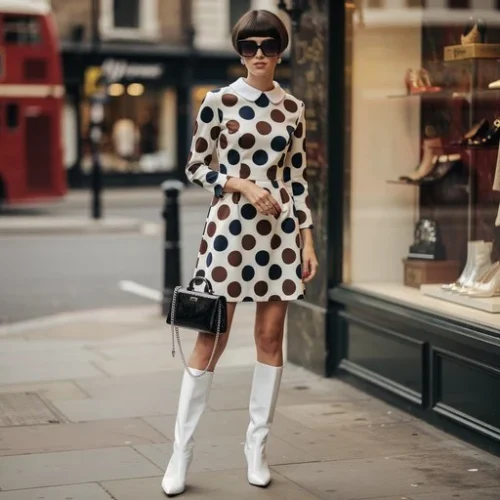
The Artistic Soul and the Bohemian Spirit
Finally, there is the Artistic Soul, a character who values creativity and a bit of eccentricity. This archetype often leans toward the Gucci Jackie bag or the hobo styles of the 1970s. These bags have a softer, more relaxed structure that complements a bohemian wardrobe. They suggest a character who is a bit of a dreamer, someone who might spend their afternoons in a bookstore or a jazz club.
The Gucci Jackie, with its piston closure and curved shape, feels both historic and effortless. It is the bag of a character who appreciates vintage styles and has a unique, personal approach to fashion. They aren’t trying to fit into a corporate mold or a high society box. They are comfortable in their own skin and use their accessories to tell a story of creative freedom.
The Enduring Value of the Secondary Market
The reason these bags work so well as character cues is that they have stood the test of time. They are icons for a reason. In the real world, just as on the screen, these pieces carry a weight of history and craftsmanship that transcends seasonal trends. Choosing to invest in these items through the secondary market allows individuals to find pieces with character and history. A bag that has been cared for over years or decades has a story to tell, making it a more authentic choice for anyone looking to define their own personal archetype.
Whether someone is aiming for the power of a Birkin or the independence of a Chanel flap, these classic designs remain the most effective way to communicate identity. They are more than just accessories. They are the silent scripts we carry with us every day.
