


Areas We Cover
Categories

THE TWO-MINUTE RULE: HOUSEHOLD TASKS THAT PREVENT BIGGER PROBLEMS
by Aveline MacQuoid | January 28, 2026
in Extras
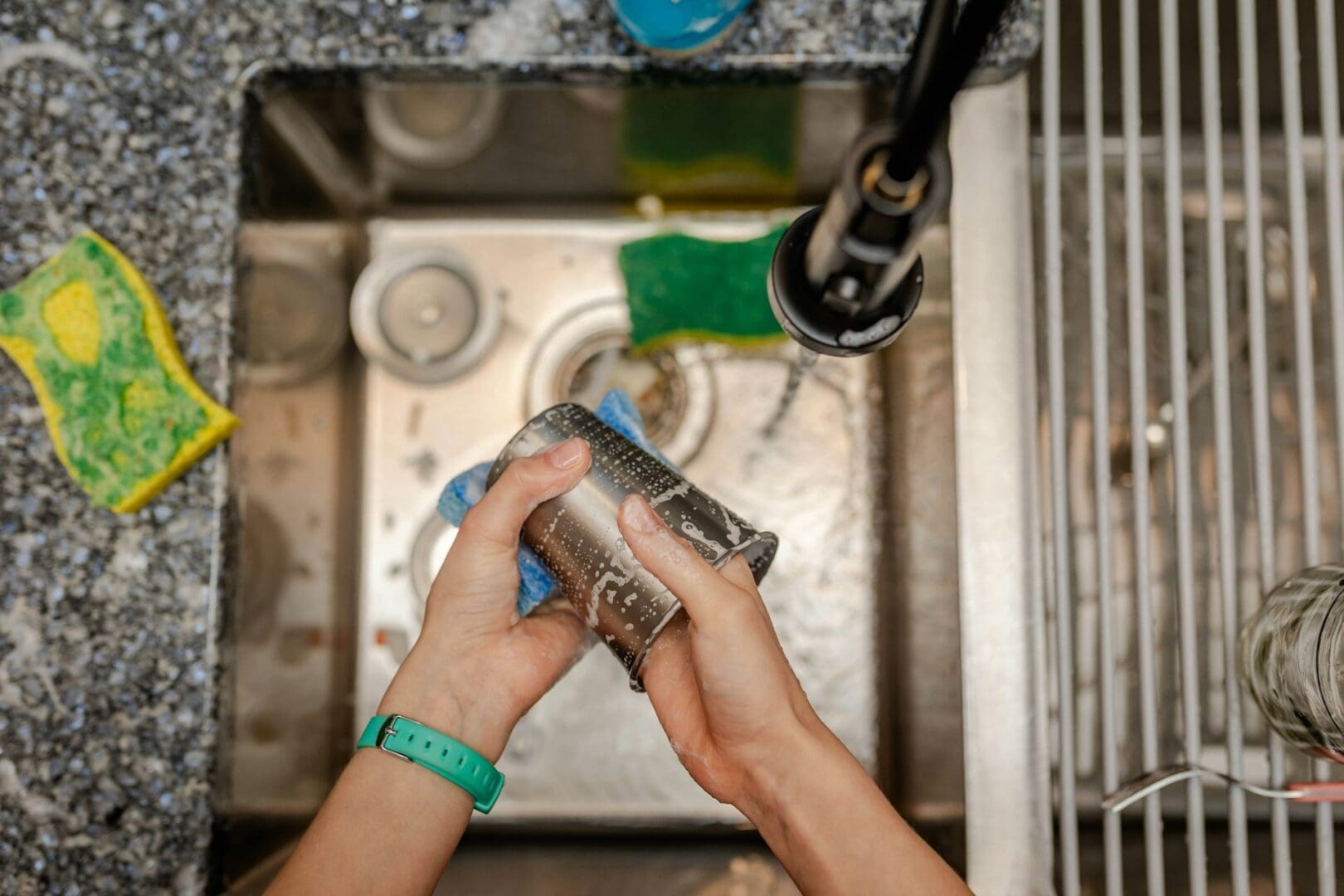
You walk past the coffee spill on the counter. You’ll clean it later. You toss your jacket on the chair instead of hanging it up. You’ll do it later. The dishes sit in the sink. You’ll wash them later. Individually, these are tiny tasks, but they accumulate into overwhelming messes that require hours to address. Enter the two-minute rule: if a task takes less than two minutes, do it immediately instead of deferring it. This simple principle prevents the cascade of small neglected tasks that turn into big, demoralizing cleanup projects. Much like deciding whether to play baccarat online, the outcome often depends less on effort and more on timing—small, timely actions prevent larger losses later. The genius isn’t in doing more work—it’s in the timing. Wiping the counter takes 30 seconds now or 30 seconds later, but doing it now prevents the coffee stain from setting and keeps the kitchen functional. Two minutes now prevents thirty minutes of frustrated cleaning later. This isn’t about productivity optimization or being a neat freak—it’s about recognizing that prevention is almost always easier than fixing problems after they’ve compounded.
Why Small Tasks Become Big Problems
Neglected tasks don’t disappear—they multiply. One dish becomes a sink full of dishes. One piece of mail becomes an overwhelming pile. One unwashed coffee cup becomes a science experiment. The mental load of seeing undone tasks everywhere creates constant low-grade stress and makes your space feel chaotic even when the actual mess is minimal. Additionally, some small tasks prevent bigger problems: not putting away tools means they get lost; not wiping spills means stains set; not opening mail means missing important deadlines.
What Counts as a Two-Minute Task
Hanging up your coat when you take it off. Wiping down the bathroom counter after brushing your teeth. Washing your coffee cup immediately after use. Opening and sorting mail the day it arrives. Putting groceries away when you get home. Wiping kitchen counters after cooking. Taking out the trash when it’s full. Putting laundry in the hamper instead of on the floor. Rinsing dishes before they go in the sink. Straightening the throw pillows on the couch.
The Compound Effect of Immediate Action
When you consistently handle two-minute tasks immediately, your baseline level of “clean” rises dramatically. You’re not spending more total time on housework—you’re distributing it differently. Two minutes here and there throughout the day is nearly invisible effort, while weekend cleanup marathons feel overwhelming and steal hours you wanted for rest or fun. Additionally, a consistently tidy space reduces decision fatigue and stress.
Tasks That Prevent Bigger Problems
- Wiping the stove after cooking prevents grease buildup.
- Hanging keys on their hook prevents frantic searching.
- Putting tools back immediately prevents loss and replacements.
- Wiping bathroom surfaces daily prevents mildew.
- Sorting mail immediately prevents missed bills.
- Dealing with spills immediately prevents stains.
- Emptying the dishwasher while coffee brews prevents sink pile-up.
- Putting clothes away prevents “the chair” from taking over.
Common Resistance and How to Overcome It
“I’ll do it later” becomes never. “It’s too small to matter” ignores compounding effects. “I’m too tired” overlooks that doing it later will feel worse. “It’s not my mess” creates shared-space standoffs.
Making the Two-Minute Rule Stick
Start with one category.
Use reminders until habits form.
Create micro-routines tied to existing habits.
Notice how much calmer your space feels.
Extend the principle to five-minute tasks once two minutes feels automatic.
Wrapping Up
The two-minute rule isn’t about perfection—it’s about preventing small neglect from snowballing into big problems. Two minutes now saves thirty later, reduces stress, and keeps your home functional with minimal effort. Start this week with one category and commit to immediate action. When small tasks don’t pile up, neither does the stress. Do it now, move on, and enjoy the mental clarity that follows.
