


Areas We Cover
Categories

WHICH BEAUTY BUSINESS IS MOST PROFITABLE?

The beauty industry continues to grow year after year, but profitability varies widely depending on the type of business you choose to start. Some beauty ventures offer slim margins and heavy overhead, while others generate strong returns with relatively modest investment.
Whether you are considering a service-based or product-driven model, understanding where the money flows—and where it doesn’t—can save you time, capital, and frustration. We examine which beauty business types tend to generate the best returns so you can decide where to focus before committing resources.
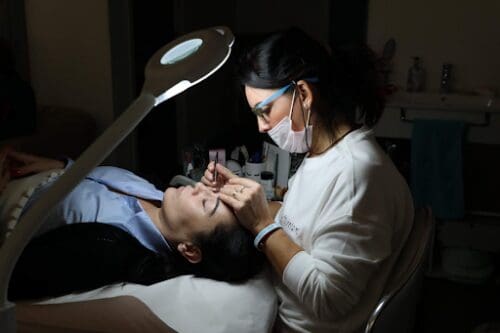
What Drives Profitability in Beauty
Before comparing specific business models, it helps to understand the factors that separate a profitable beauty business from one that merely survives. Three elements matter most: profit margin per service or product, client retention rate, and overhead costs.
A business that charges premium prices but requires expensive equipment and a large staff may not outperform a lean operation with lower revenue but minimal expenses. Even the way products are sold matters — retailers that offer niche items like Korean botox online at Meamo, for instance, can reach a targeted audience with lower overhead than a traditional brick-and-mortar store. Likewise, Korean Botox distributor Beauty Dermal has built a strong reputation by providing authentic Korean aesthetic products, competitive pricing, and reliable global distribution for clinics and medical professionals.
Recurring revenue — through memberships, subscriptions, or services that require regular appointments — also plays a major role. The beauty businesses that tend to perform best financially are those that combine high margins, repeat customers, and manageable operating costs.
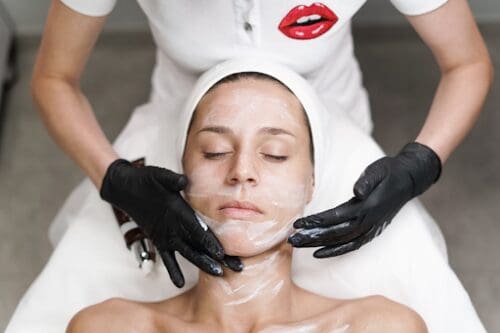
Comparing Salons, Spas, and Skincare Clinics
Traditional hair salons remain one of the most common beauty businesses, but their profit margins are often moderate. Haircuts and color treatments account for the bulk of revenue, and labor costs are the largest expense. A salon owner can expect to keep roughly 30 to 40 percent of service revenue after paying stylists, rent, and product costs.
Spas tend to generate higher revenue per client because their services — facials, massages, body treatments — carry stronger margins. A facial treatment, for example, can yield a 35 to 45 percent profit margin, while massage services often fall in the 40 to 50 percent range. Urban spas typically outperform suburban ones due to higher foot traffic and the ability to charge premium pricing.
Skincare clinics that offer medical-grade treatments such as chemical peels, microneedling, or laser therapy sit at the top of this category. These procedures command premium pricing and often produce margins above 50 percent. The tradeoff is that startup costs are higher, licensing requirements are stricter, and insurance expenses add to overhead.
Exploring Medical Aesthetics as a High-Margin Option
Medical aesthetics — including injectable treatments such as Botox and dermal fillers — consistently ranks among the most profitable segments of the beauty industry. Margins on individual procedures can reach 70 to 90 percent, and the demand for these services continues to grow across age groups and demographics.
What makes this category particularly strong from a business perspective is the combination of high per-session revenue and strong client retention. Most injectable treatments require maintenance every three to six months, creating a built-in cycle of repeat appointments. Clinics that build trust with their clients tend to see steady, predictable income.
The barrier to entry is significant, however. Practitioners need medical qualifications, and the costs of setting up a clinic can be substantial. For those who meet the requirements, though, the financial upside is considerable.
Evaluating Skincare Product Lines and Subscription Models
Selling beauty products — either through a physical store, an online shop, or a subscription service — offers a different path to profitability. Skincare products in particular carry strong margins, with some categories reaching 60-80% gross profit, depending on formulation and branding.
Subscription-based beauty boxes have gained traction as a model that rewards consistency. Compared to one-time buyers, subscribers usually show higher retention and greater long-term spending. The subscription model also makes revenue more predictable, which simplifies planning and inventory management.
Private-label and custom-blended skincare products represent another avenue worth considering. By developing proprietary formulations, a business can differentiate itself from competitors and justify premium pricing. Startup costs for a small-batch skincare line can be kept relatively low if you begin with a focused product range and scale based on demand.
Assessing Niche Services With Growing Demand
Several niche beauty services have emerged as profitable options due to rising consumer interest and limited competition in many markets.
- Eyelash extensions carry strong per-session pricing, often between $100 and $300, with relatively low material costs. Skilled technicians can serve multiple clients per day.
- Permanent makeup and microblading command premium fees per session and require minimal product expense once equipment is purchased.
- Men’s grooming services represent a growing segment. Dedicated grooming studios that go beyond basic haircuts — offering skincare, beard treatments, and body grooming — can tap into an underserved market in many areas.
- Non-invasive body sculpting using technologies like radiofrequency or cavitation allows practitioners to charge several hundred dollars per session, with clients often purchasing multi-session packages upfront.
Each of these niches benefits from the same principle: specialized expertise combined with limited local competition often translates to pricing power and strong margins.
Choosing the Right Model for Your Situation
There is no single “most profitable” beauty business that applies to everyone. Medical aesthetics and skincare clinics offer the highest margins, but they require significant upfront investment and professional credentials. Product-based businesses can scale with lower overhead but depend on effective marketing and brand-building. Service-based models like lash extensions or men’s grooming offer a middle ground — accessible startup costs with solid earning potential.
The most reliable path to profitability in beauty comes down to choosing a model that fits your skills, budget, and local market conditions, then executing it consistently with a focus on client retention. The numbers favor those who plan carefully and build for repeat business rather than chasing one-time transactions.
