


Areas We Cover
Categories

DESIGNING STAGE SPACES: THE ROLE OF VISUAL DISPLAYS AND SIGNAGE
by John Todd | March 7, 2026
in Concerts / Events, Extras, Technology, Theater
Stage design plays a central role in shaping how audiences experience performances, presentations, and live events. Whether the setting is a concert, conference, theater production, or community event, the visual environment around the stage helps communicate information, establish atmosphere, and reinforce branding. Lighting, backdrops, and signage all contribute to the overall design, guiding the audience’s attention and enhancing the impact of the event.
Modern stage spaces often combine digital technology with physical displays to create a visually engaging environment that supports both performers and audiences.
Visual Displays as Part of Stage Design
Visual displays help define the structure of a stage and provide important context for viewers. Large screens, printed backdrops, and signage often frame the stage area, making it easier for audiences to focus on the central performance or presentation.
In professional event settings, these displays may include branding elements, event titles, or thematic visuals that reflect the purpose of the gathering. For example, conferences often display the event name and sponsors on large stage backdrops, while theatrical productions use decorative set pieces to support storytelling.
Well-designed displays help unify the stage environment and provide a clear visual identity for the event.
Clear Signage for Audience Communication
Signage is also essential for communicating important information to audiences and participants. Stage signage may include event titles, speaker names, sponsor logos, or directional information.
Clear signage ensures that audiences can easily identify who is speaking, what segment of the program is currently underway, or which organization is hosting the event. This is especially important during conferences and corporate presentations where multiple speakers or panels may appear on stage throughout the day.
Professional signage also contributes to the credibility and organization of the event, reinforcing the overall presentation.
Modern Materials for Stage Displays
Stage signage must be both visually appealing and structurally reliable. Event planners often choose materials that offer clarity, durability, and a polished appearance.
For many professional displays, planners consider options such as custom acrylic signs because acrylic materials provide a sleek, glass-like finish that works well for modern stage designs. Acrylic signs can be printed with vibrant graphics and mounted in ways that enhance lighting and stage aesthetics.
These displays are frequently used for podium branding, stage backdrops, and sponsor recognition areas.
Lighting and Display Integration
Photo by Camilo Jimenez
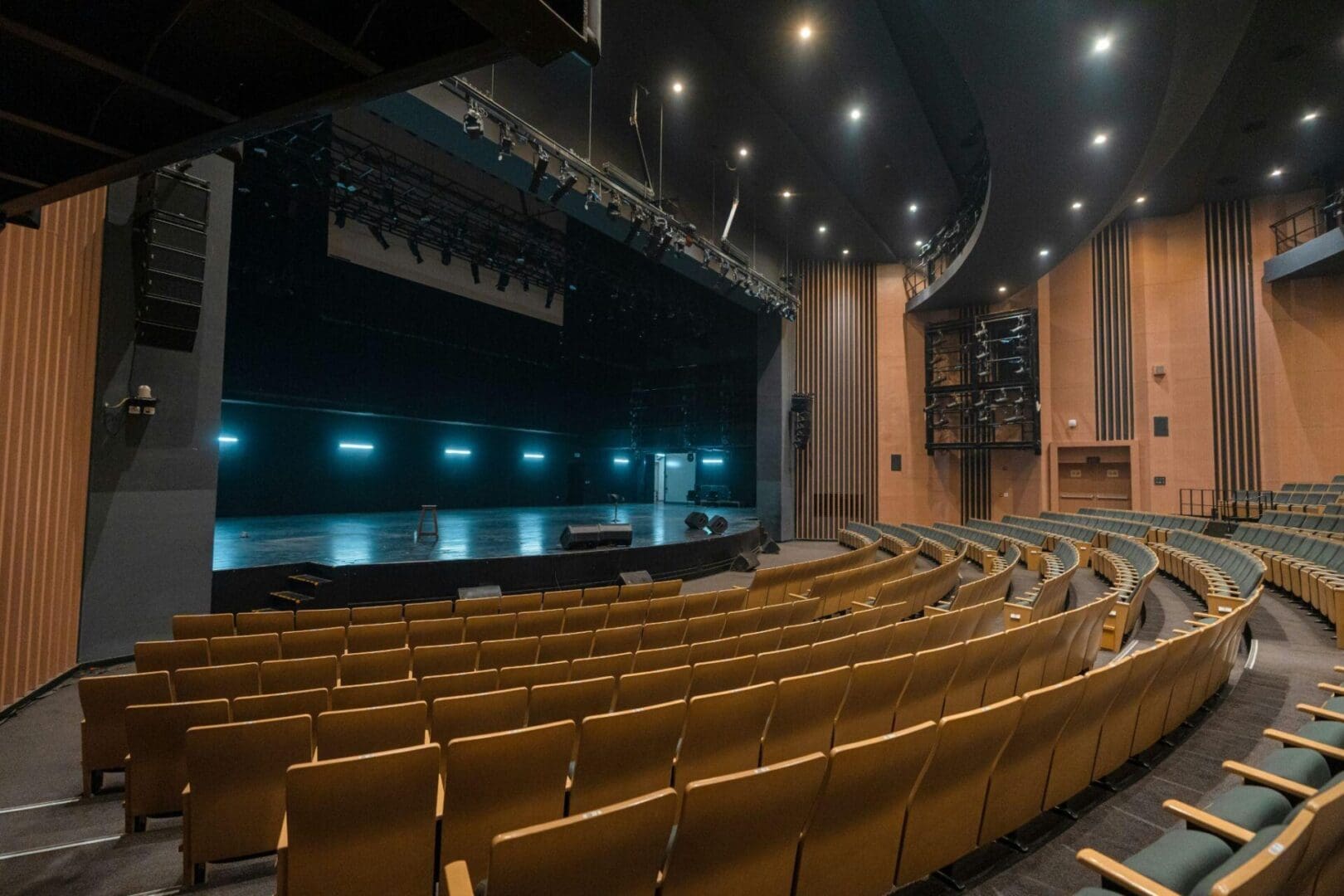
Lighting is closely connected with stage displays and signage. Proper lighting ensures that signs and visual elements remain visible to audiences while also enhancing the overall atmosphere of the performance.
Spotlights, colored stage lights, and LED panels are often positioned to highlight signage or display boards. When lighting is coordinated with stage design, it helps emphasize key elements without distracting from the performers or speakers.
In modern productions, lighting designers often collaborate closely with stage designers to ensure that displays remain readable and visually balanced throughout the event.
Branding Opportunities on Stage
Stage signage also creates opportunities for branding and sponsorship visibility. Corporate events, trade shows, and conferences often include logos or sponsor names displayed on stage elements.
These visual placements allow event partners to receive recognition while also helping audiences identify organizations involved in the event. Sponsor displays may appear on podium signage, backdrop panels, or side-stage displays.
When integrated thoughtfully into the design, branding elements can enhance the professional appearance of the stage without overwhelming the main presentation.
Digital Screens and Hybrid Displays
In recent years, digital displays have become increasingly common in stage design. LED screens and projection systems allow organizers to display dynamic visuals such as presentation slides, videos, and real-time information — the same technology sports venues build into a scorers table video display for live scores and sponsor spots.
Hybrid stage designs often combine digital screens with physical signage to create a layered visual environment. For example, printed displays may frame the stage while digital screens present changing content throughout the event.
This combination allows stage spaces to remain visually dynamic while maintaining a consistent design structure.
Audience Experience and Stage Visibility
The ultimate goal of stage design is to support a positive audience experience. Displays and signage must be placed carefully to ensure that they remain visible from different seating areas without obstructing the view of performers or speakers.
Designers often consider factors such as viewing angles, stage height, and lighting conditions when planning the placement of signage. Clear and well-positioned displays help audiences stay engaged and informed throughout the event.
Good stage design balances aesthetics with practicality, ensuring that visual elements enhance rather than distract from the performance.
Flexibility for Different Event Types
Stage display systems are often designed with flexibility in mind so they can be adapted for different types of events. Portable signage, modular backdrops, and adjustable lighting systems allow organizers to reconfigure stage setups quickly.
This flexibility is particularly valuable for venues that host multiple events, such as theaters, conference centers, or university auditoriums. By using adaptable display elements, venues can create distinct stage environments for concerts, lectures, and ceremonies without extensive redesign.
As event production continues to evolve, the combination of visual displays, modern signage materials, and integrated lighting will remain essential in creating stage environments that are both functional and visually compelling.
