

Areas We Cover
Categories

DESIGNING THE PERFECT HOME THEATER: LIGHTING, SOUND AND CLIMATE COMFORT
by Jim Allen | March 8, 2026
in Extras, Technology
Creating a home theater is about more than installing a large screen and comfortable seating. A truly immersive experience depends on a combination of visual clarity, high-quality sound, thoughtful lighting, and a comfortable environment. When these elements work together, a home theater can replicate many of the qualities that make professional cinemas enjoyable while still maintaining the convenience of watching films at home.
Modern home theater design focuses on balancing technology with comfort. Carefully planned lighting systems, acoustic considerations, and climate control all contribute to a space where viewers can relax and focus on the entertainment experience.
Planning the Layout of a Home Theater Room
The first step in designing a home theater is selecting the right location within the home. Basements and dedicated media rooms are often preferred because they naturally reduce outside light and sound interference. However, living rooms or multi-purpose spaces can also be adapted with thoughtful design choices.
Room layout affects how well viewers can see the screen and hear the audio system. Seating should be positioned at a comfortable viewing distance from the screen, typically based on screen size and resolution. Surround sound speakers should be arranged to create a balanced listening environment where sound appears to move naturally throughout the room.
Furniture selection also plays an important role. Reclining theater seats, sectional sofas, or tiered seating arrangements can improve viewing angles and comfort during longer movie sessions.
Lighting for an Immersive Viewing Experience
Lighting is one of the most overlooked elements of home theater design, yet it can significantly affect how movies are experienced. Excessive brightness can create glare on screens, while a completely dark room may make it difficult for viewers to move around safely.
Layered lighting systems are commonly used to achieve the right balance. Recessed ceiling lights provide general illumination, while wall sconces or LED strips offer subtle accent lighting. Dimmable lighting controls allow homeowners to gradually adjust brightness levels before and during a film.
Some home theaters also incorporate floor lighting or step lights to guide movement without interfering with the viewing experience. These small design details help maintain a cinematic atmosphere while preserving practicality.
Sound Design and Acoustic Considerations
Sound quality is one of the defining features of a successful home theater. A well-designed audio system can recreate the depth and clarity of professional cinema soundtracks, allowing viewers to fully experience dialogue, music, and sound effects.
Surround sound systems are commonly used to create immersive audio environments. These systems typically include front speakers, rear speakers, a center channel for dialogue, and a subwoofer for low-frequency sounds.
Acoustic treatment is another important factor. Hard surfaces such as bare walls and floors can cause sound reflections that reduce audio clarity. Adding carpets, acoustic panels, or upholstered furniture can help absorb excess sound and improve overall audio quality.
Proper speaker placement and room acoustics ensure that sound remains balanced and clear across different seating positions.
Managing Temperature and Air Comfort
Photo by Adhitya Sibikumar
here people may spend several hours watching films or television. Temperature control plays a key role in maintaining a pleasant environment, particularly when electronic equipment generates additional heat.
Climate systems designed for smart homes allow users to adjust heating or cooling levels without interrupting the viewing experience. Smart thermostats can maintain consistent temperatures throughout the room while optimizing energy use.
Many homeowners exploring climate solutions review resources such as Mysa when comparing smart thermostat technologies that support efficient temperature management. These systems allow homeowners to control room conditions remotely and automate temperature adjustments based on daily routines.
Maintaining stable temperatures helps ensure that viewers remain comfortable throughout extended movie sessions.
Screen Technology and Display Options
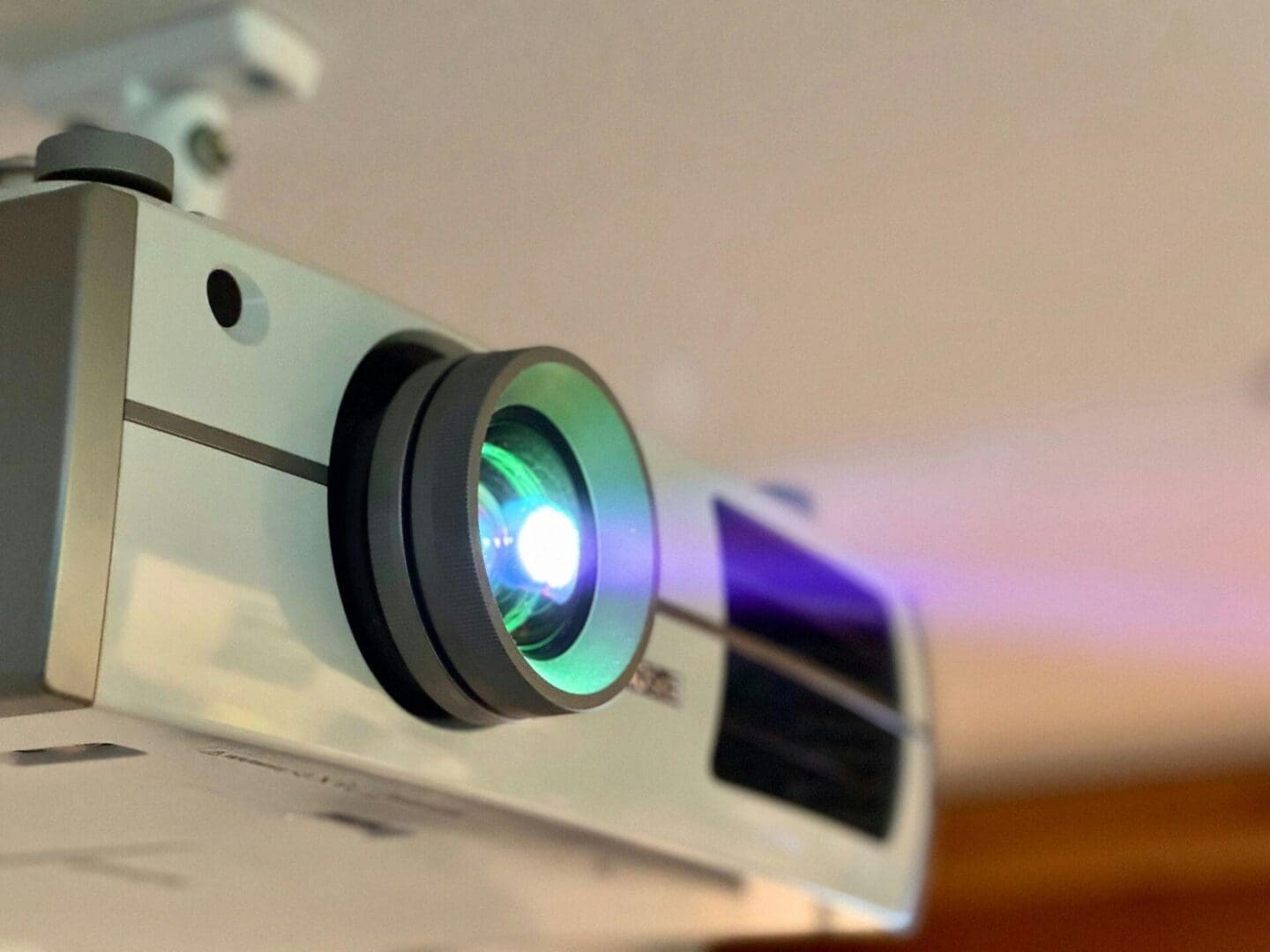
The display system is the focal point of any home theater. Homeowners typically choose between large televisions and projection systems depending on available space and personal preferences.
Large 4K and 8K televisions offer sharp images and vibrant colors, making them suitable for smaller media rooms. Projection systems, on the other hand, can produce much larger images that replicate the scale of cinema screens.
Projection screens may be fixed, retractable, or built directly into the wall depending on the design of the room. Pairing projection systems with blackout curtains or light-controlled environments helps maintain strong image contrast.
Choosing the right display technology depends on room size, lighting conditions, and viewing distance.
Smart Controls and Automation
Many modern home theaters incorporate smart home automation systems that simplify control of various components. With a single remote or mobile application, users can manage lighting, audio systems, streaming devices, and climate settings.
Automation systems can also create preset viewing modes. For example, selecting a “movie mode” setting might dim the lights, lower the projector screen, and activate the surround sound system simultaneously.
This level of integration allows homeowners to focus on the entertainment experience rather than adjusting multiple devices individually.
Balancing Technology With Comfort
Designing a home theater ultimately involves balancing advanced technology with a comfortable viewing environment. While high-quality screens and audio systems are important, factors such as lighting control, room acoustics, and climate comfort play equally significant roles.
By carefully planning each element, from seating layout and lighting placement to sound design and temperature control, homeowners can create a space that supports both relaxation and immersive entertainment.
A thoughtfully designed home theater allows viewers to enjoy films, sports, and streaming content in a setting that combines the excitement of cinema with the convenience of home.

Search Articles
Please help keep
Stage and Cinema going!
