


Areas We Cover
Categories

THE NEW STAGE OF HOME PERFORMANCE: WHERE ENERGY SYSTEMS TAKE CENTER ROLE
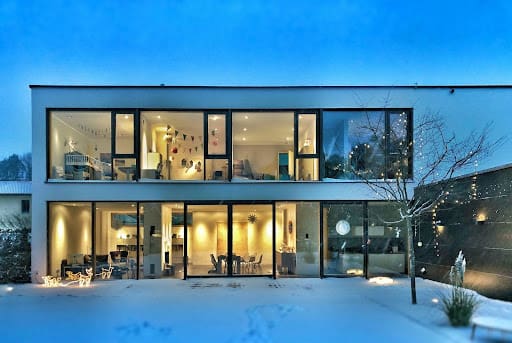
In both design and performance, modern homes are beginning to resemble something closer to a production, where every system plays a role, timing matters, and reliability defines the experience. Energy is no longer a background utility quietly supporting daily life; it is becoming one of the central “actors” that determines how smoothly a home functions. As expectations rise, homeowners are looking for systems that deliver not only efficiency but also control, adaptability, and resilience in real-world conditions.
Energy Systems Are Becoming the Backbone of Modern Living
In traditional homes, energy systems were largely invisible, operating without much interaction or awareness from occupants. Today, that relationship is changing. Homeowners are becoming more engaged with how energy flows through their homes, driven by rising costs and the increasing availability of advanced technologies.
This shift is turning energy systems into foundational elements rather than supporting infrastructure. Homes are now designed with energy in mind from the outset, ensuring that generation, storage, and usage work together cohesively. The result is a more stable and predictable environment where performance is not left to chance but actively managed.
Hybrid Inverters Are Central to Energy Control
At the heart of many modern energy systems is the hybrid inverter, a device that connects solar panels, batteries, and the grid into a unified system. These inverters convert solar-generated DC power into usable AC electricity while also managing energy storage and distribution within the home.
Hybrid inverters stand out because they combine multiple functions into a single unit, allowing excess energy to be stored and used later rather than wasted. This makes them particularly valuable for homeowners seeking both efficiency and independence, as they reduce reliance on external power sources while improving overall system performance.
Simplifying Complex Systems With Integrated Solutions
As energy systems become more advanced, simplicity becomes increasingly important. Homeowners are not looking to manage complex technical setups, they want solutions that work seamlessly without constant oversight. Integrated systems address this need by combining key components into a cohesive framework.
Options like sol ark inverters reflect this approach, offering all-in-one solutions that unify solar input, battery storage, and grid interaction. These systems are designed to reduce installation complexity while maintaining flexibility, making it easier for homeowners to adopt advanced energy solutions without technical barriers.
Reliability Is the Real Measure of Performance
In high-functioning homes, performance is defined by consistency. Energy systems must deliver power when it is needed most, regardless of external conditions. This is particularly important in situations where outages or fluctuations can disrupt daily life.
Modern hybrid inverter systems are designed with this reliability in mind. Many are capable of supporting both grid-connected and off-grid operation, ensuring uninterrupted power supply even during disruptions. This level of resilience transforms energy systems from optional upgrades into essential components of a well-functioning home.
Conversion and Efficiency Still Matter

At a fundamental level, every energy system relies on efficient conversion. Solar inverters play a critical role by converting direct current from panels into usable alternating current for household use. Without this process, renewable energy cannot be effectively integrated into everyday living.
This highlights the importance of choosing systems that prioritize both performance and efficiency. Even the most advanced setups depend on reliable conversion and management to deliver consistent results, reinforcing the need for well-designed components within the broader system.
Maintenance Keeps Systems Performing at Their Best
Even the most advanced energy systems require regular upkeep to maintain performance. Over time, environmental factors such as dust, wear, and general use can reduce efficiency and impact reliability. Maintenance is not simply a precaution, it is an essential part of sustaining long-term performance.
This principle extends beyond residential environments. In professional settings, equipment upkeep is often supported by specialized tools and solutions like https://indoorgolfoutlet.com/, illustrating how consistent maintenance practices are critical for preserving functionality. Applying the same mindset to home systems ensures that energy solutions continue to operate as intended.
Smart Monitoring Adds a Layer of Control
Technology has introduced a new level of visibility into energy systems. Homeowners can now monitor production, storage, and consumption in real time, allowing for more informed decisions about how energy is used. This transparency makes it easier to identify inefficiencies and adjust usage patterns accordingly.
Automation builds on this by enabling systems to respond dynamically to changing conditions. Whether adjusting energy distribution or optimizing storage use, these technologies create a more responsive and efficient environment that adapts to daily needs.
Long-Term Value Comes From System Integration
Investing in advanced energy systems is not just about immediate savings, it is about long-term value. Homes that integrate generation, storage, and management systems are better equipped to handle changes in energy demand and supply, making them more resilient over time.
As these systems become more common, they are also influencing property value. Buyers are increasingly aware of the benefits of energy independence, making integrated systems a desirable feature in the real estate market.
A New Role for Energy in Everyday Living
Energy is no longer a passive element of the home, it is an active system that shapes how spaces function. From powering essential appliances to supporting comfort and convenience, energy management is becoming a central part of modern living.
As homes continue to evolve, this role will only expand. Systems that can generate, store, and optimize energy will define the next generation of residential design, creating living environments that are not only comfortable but also intelligent and self-sustaining.
