


Areas We Cover
Categories

HOW TO BUILD HOME CINEMAS WITHOUT TRYING
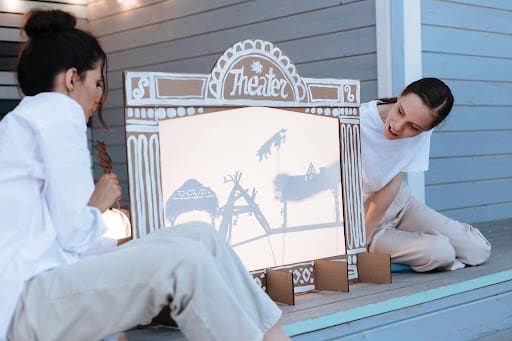
4 Clever Ways to Bring the
Theater into Your Living Room
To build a home cinema without trying, prioritize ergonomic seating that supports long viewings, arrange furniture toward a clear visual focal point, utilize hidden storage for media, and choose stain-resistant performance fabrics.
Implementing these foundational design elements transforms an ordinary living room into an immersive, comfortable viewing space without requiring extensive renovations.
There is a particular kind of person who walks out of a theater and immediately wants to walk back in. Not because the show was not finished, it was, but because the feeling is not.
The coat stays on a little longer than necessary. The playbill gets folded carefully into a bag rather than left behind.
For devoted theater lovers, the arts have never really been confined to a venue. They travel home in the form of scripts read at the kitchen table, streamed productions queued up on Friday nights, and post-show conversations that stretch well past midnight over a bottle of wine.
The living room becomes something more than a room where people sit. It becomes a kind of personal salon where culture happens and gatherings form.
If that resonates, then the design of that room inherently matters. A cozy viewing space shaped to support cultural life does not happen by accident.
Here are four practical, creatively considered ideas to help build an arts-inspired home design that genuinely earns the experience.
1. Choose Unbelievable Seating For Long Hauls

Great performances demand a great seat. That is true at the theater, and it is equally true at home.
Whether settling in for a filmed stage production or a Sunday double feature, furniture becomes part of the experience. The typical adult spends 4.5 hours daily watching television.
Prolonged sitting has been associated with increased health risks. Ergonomic comfort matters here in ways that go beyond basic cushion softness.
A supportive seat requires genuine back structure, adequate seat depth, and cushions that hold their shape over several hours.
For most individuals who reside in apartments, the challenge is finding small living room seating that does not devour the room.
This is where compact furniture choices become genuinely consequential. The instinct to pull in a massive sectional for a watch party is understandable.
However, a Home Reserve cozy loveseat, or a similarly proportioned option, comfortably seats guests without crowding the area.
It exemplifies seating built for dual-purpose living, offering genuine comfort alongside machine-washable covers and hidden storage.
The right seat is the difference between half-watching a performance and truly being present for it. It pays to choose accordingly.
Quality seating supports the body effectively during those extra-long cinematic cuts. Never underestimate the value of structural support when enjoying the arts at home.
2. Make Interesting Spaces Feel Performance-Ready

Theaters know something that most home decorators forget. Atmosphere is architecture. Before a single actor takes the stage, the space itself has already communicated something through scale, light, and deliberate orientation.
An arts-inspired home design can borrow from exactly that logic.
Start with furniture layout as a form of staging. Arrange seating so that it faces a clear visual anchor like a screen or a gallery wall of framed production posters.
The goal is to give the eye somewhere to land and the body somewhere to orient. A room with a clear focal point feels intentional, while a room without one often feels like a waiting area.
Lighting is where performance-inspired design earns its keep most convincingly. Dimmable lamps with warm-toned bulbs can transform the same room from a bright functional space into something hushed and anticipatory.
A few grouped candles on a side table create the same effect with considerably less wiring. The point is to introduce the ritual quality of lowering the lights.
Modular and multipurpose furniture arrangements allow the room to shift registers when the occasion calls for it.
A Tony Awards watch party feels different from an ordinary Tuesday, and the space should reflect that shift.
Pull a chair in from the study or swap a throw blanket from storage. Lower the lights and rearrange the coffee table to hold drinks and a bowl of something worth discussing.
| Key Insight: Your living room’s layout serves as the “staging” for your home cinema. Orienting furniture toward a single focal point creates an intentional space that feels like a curated venue rather than a waiting area. |
3. Use Unusual Hidden Storage For Cultural Objects

Theater lovers at home accumulate things. This is simply a reality of cultural engagement. There are playbills from memorable productions and library copies of cast memoirs.
These objects are not clutter, but rather evidence of a life spent paying attention.
Visible accumulation can undercut the immersive quality of a carefully designed space. A room that feels cluttered is harder to settle into.
The eye keeps moving, keeps cataloguing, and keeps getting interrupted. Hidden storage is about giving beloved objects a proper home out of sight.
The most elegant hidden storage solutions are built directly into the furniture itself. Ottomans with lift-top compartments are a classic choice.
Side tables with interior shelving offer another layer of organization. Furniture with under-cushion storage allows the square footage used for comfort to double as a home for cultural objects.
Built-in under-seat storage works particularly well for this kind of lifestyle. A playbill, a current script, a remote, and a spare coaster can disappear before guests arrive.
They can then reappear exactly when needed. It makes the room feel organized, intentional, and ready for whatever the evening brings.
4. Select Incredible Fabrics That Handle Real Life

It helps to be honest about what cultural gatherings at home actually look like. Wine is poured, and a pet might migrate confidently toward the best seat in the room.
A glass occasionally tips over onto a surface that lacks a coaster. This is hospitality, and the room built for these moments should handle them gracefully.
Easy-clean, stain-resistant fabrics are a practical design philosophy rather than a compromise. Choosing a surface that resists wear is an act of generosity toward both the host and the guests.
It means inviting people freely without a mental list of protective rules running in the background. Compared with basic materials, performance finishes increase fabric durability and stain resistance.
That reliability matters more than it might initially seem. A welcoming environment should feel low-stakes for everyone involved.
A room where people are afraid to fully use the furniture does not support an open, spontaneous cultural life. True hospitality demands environments built for active, worry-free usage.
Machine-washable fabric covers offer a specific solution to this practical requirement. After a spontaneous post-show gathering, the covers can easily be removed and washed.
This resets the room without any unnecessary drama. It is the kind of quiet reliability that makes hosting feel effortless on a weeknight.
| Important: Don’t sacrifice comfort for aesthetics that can’t withstand real use. True hospitality requires durable, machine-washable fabrics that allow guests to relax completely without worrying about the occasional spilled glass of wine or pet hair. |
A Closing Reflection

What makes a theater experience powerful is not just the performance on stage. It is everything surrounding it, including the anticipation in the lobby and the hush before the lights go down. That preparation signals that the impending event holds value.
A thoughtfully designed living room carries some of that same resonance. It thrives in the small, accumulated details of a space shaped to support a specific way of living.
Seating provides comfort through long acts, while shifting light alters the overall mood. Storage keeps the room clear, and durable fabric handles real life without requiring hesitation.
When all these elements converge, the atmosphere immediately transforms into something special.
The lights go down, the screen glows, and the seating feels entirely correct. Outside, the city keeps moving, but inside, an unforgettable experience is always possible.
| Author Profile: Home Reserve is the leading manufacturer of adaptable modular furniture for families seeking durable, sustainable solutions for everyday living. |
