


Areas We Cover
Categories

ENTERTAINMENT AND THE BIG SCREEN: WHY THEATRE AND NIGHTLIFE HAVE GONE DIGITAL
by Michael Carr | April 10, 2026
in Extras, Virtual
Walk into any cinema in the New York, Chicago, or Los Angeles today, and you’ll find something interesting in the listings. Multiplexes aren’t just filling their screens with Hollywood productions alone anymore.
Alongside those big-budget studio releases, you’ll typically find ballet from Europe, a Broadway revival, an opera brodcast from the Met… What was once a niche sector is now well and truly part of mainstream cultural offerings across the globe.
But when did this shift really start to take hold? And is it just theatre that’s becoming increasingly digitized, or are other nightlife and entertainment sectors headed that way too?
Let’s head down the rabbit hole and take a closer look!
From Gaming Palaces to Gaming Rigs
Did you know that one of the first entertainment industries to fully embrace technological innovation and move into the online space was the casino industry? That’s right, a sector that has featured heavily in nightlife and entertainment for hundreds of years—and is famously rooted in tradition—was an early pioneer. And who could’ve predicted around the year 2k just how popular games like slots, roulette, and poker would become as a result?
Okay, so the grand halls of Las Vegas very much still exist, but they’re no longer the epicentre of casino culture. This is now found in the digital space, meaning the once place-based activity of playing cards or spinning the reels has been absorbed into the wider digital gaming industry.
Yes, cloud gaming apps, streaming services, and gaming storefronts all sit comfortably next to platforms offering the latest slots games online to play. And they’re all accessed from the same devices too—PCs, tablets, smartphones. Casino gaming is now truly part of a digital-first ecosystem that’s designed to be endlessly accessible.
Oh, and if you thought music concerts could only be experienced in real life, think again! For quite a few years now, artists have been experimenting with broadcasting concerts in immersive, gamelike digital environments—essentially transforming music concerts into one big MMO-style space.
Even star musicians like Ariana Grande and Travis Scott have dipped their toes into the scene, teaming up with Rockstar Games—the studio behind the hit battle royale game, Fortnite—to stream virtual concerts in real time in the gaming world.
Cinemas and Widescreen TVs
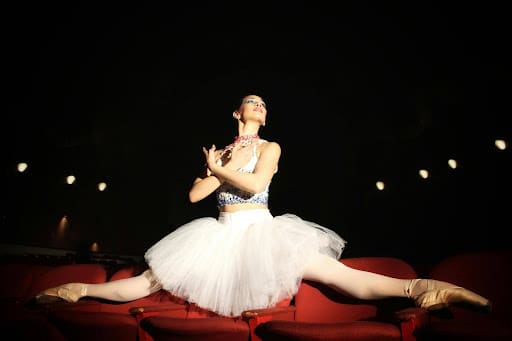
Heading to the cinema for a screening of Hamilton or Swan Lake might be par for the course now, but in the previous decade, these screenings were as boundary-breaking as streaming a live show from the comfort of home.
Back in the early 2010s, catching a ballet or play at the movies still felt like a bit of a cultural hack. You’d sit there with your popcorn, slightly unsure whether to clap at the end or how many intermissions that 3-hour opera broadcast would have. But our renowned institutions—highlighting the Metropolitan Opera and London’s Royal Ballet and Opera here—quickly refined the format.
The resulting broadcasts, be that the Royal’s Alices in Adventures in Wonderland or the Met’s La Boheme, were more than just static recordings; they were full-on events. Multi-camera, beautifully edited, broadcast live with a real reverence for the art forms on display.
The story doesn’t end here, though. Cinema was a giant step, sure, but it was only one step toward digital entertainment and nightlife. The real shift came when these productions moved into the home, just like when those casino classics you could previously only play with a live croupier and a human opponent or two became accessible from your home PC, 24/7.
Streaming platforms like Marquee TV, Met Opera On Demand, and even Amazon Prime Video changed the rhythm completely. No more one-off screenings or missing the showtimes because of public transport delays. Just instant access to productions that, not all that long ago, required a trip to London’s West End or the New York (not to mention a serious ticket, travel, and accommodation budget).
Why It’s Stuck
It’s spring 2026 at the time of writing, so none of what we’ve discussed here so far is likely to be news to you. Which raises an interesting question: why does all of this feel so… natural?
A lot of that comes down to one simple reason: access. Theatre, opera, ballet, stadium tours, and high-stakes poker games have always carried an element of exclusivity. Not intentionally, perhaps, but systemically.
Visiting grand theatres and opulent gaming halls isn’t an everyday experience, admittedly. Nor is bagging that VIP seat at Beyonce’s latest showstopper! Factor in limited runs, and venues largely only cropping up in big cities, and there’s a real accessibility problem happening. With the digital world, all of those barriers to access quietly slip away.
But access alone doesn’t explain the longevity of these digital entertainment spaces. We’re well past the point now where the novelty of being able to watch Phillip Glass’ Akhnaten in your PJs would’ve ordinarily worn off. Why, then, do we keep clicking and viewing?
It’s because of how these performances are filmed; we’re getting close-ups that even the best seats in the house can’t beat. Not only are we watching; we’re noticing and experiencing all those tiny details: the micro-beats in a line delivery, the darting glances, the embodied emotion in a dancer’s hands. It’s a totally different kind of immersion, which, once experienced, is hard to forget.
