


Areas We Cover
Categories

PLAYID HUB AND UNIFIED DIGITAL IDENTITY ACROSS DIGITAL PLATFORMS
by Nia Liat | April 12, 2026
in Extras, Technology
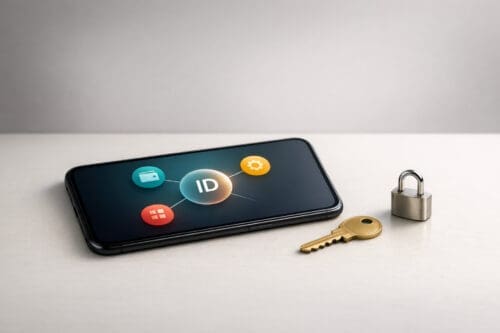
For people juggling multiple online accounts and logins, solutions like PlayID Hub are changing the way users access digital services. These unified tools make it easier to manage identity and wallet access from one place, with resources like https://playid.com/en/discover providing a gateway to the hub’s main features and uses.
The rise of digital platforms has made seamless, secure account access more important than ever. As user activity expands to different devices and services, keeping credentials organized is both a convenience and a necessity. People want systems that are easy to use, trustworthy, and transparent, helping them manage personal settings and connected services through one unified solution.
How Unified Digital Identity Works
Unified digital identity means using a single account, such as PlayID Hub, to log in to multiple services or manage funds across affiliated platforms. Rather than creating separate accounts for each new service, users can carry their identity and credentials across applications where the hub is supported. This reduces the need for remembering multiple passwords and allows for easy updates to profile information that then carry over to all linked accounts.
By providing one access point, solutions like PlayID Hub help ensure that users have a more consistent experience, from sign-in through daily account management. The simplification helps cut down on reset requests, forgotten credentials, and manual updates that are common with separate accounts.
Central Features of Multi-Service Hubs
Platforms offering unified access, including these hubs, often prioritize streamlined entry, account consolidation, and user control. This typically includes a single login hub, management of connected wallets, and settings that apply to all participating services. Users can expect to see security features such as password updates, remote sign-out, and the ability to view recent activity from a simple dashboard.
Portability is another frequent feature—profile details or preferences travel with you, so changing contact information or security preferences in the main hub updates everything else automatically. These hubs can also simplify getting started with new services under the same umbrella by pre-filling information for users, making onboarding smoother and less repetitive.
Security and User Control in Unified Hubs
Centralizing identity management in platforms brings added responsibility for robust security and clear user controls. Most hubs offer strong safeguards like multi-factor authentication, password strength standards, and easy options for account recovery. For greater transparency, activity logs and device management tools allow users to monitor where and when their accounts are accessed.
User-facing controls are key: people have the ability to update credentials, control what information is shared, and review which services are linked to their account. The ease with which non-technical users can navigate these security settings can set one unified solution apart from another.
How Hubs Fits in the Digital Identity Landscape
Solutions such as PlayID Hub illustrate the growing emphasis on managing both identity and access in a user-friendly, transparent way. Rather than focusing on just one service, these tools enable seamless navigation and wallet management between several participating platforms with minimal login friction.
The overall value of a multi-service hub often depends on how widely it is supported and how well it addresses the needs of regular users—especially when it comes to security, ease of use, and adaptability to new platforms. As these identity tools continue to evolve, users will see greater integration, flexibility, and convenience while keeping control of their credentials and preferences in one trusted place.