


Areas We Cover
Categories

HOW BEHIND-THE-SCENES AESTHETIC CHOICES INFLUENCE WHAT WE SEE ON SCREEN
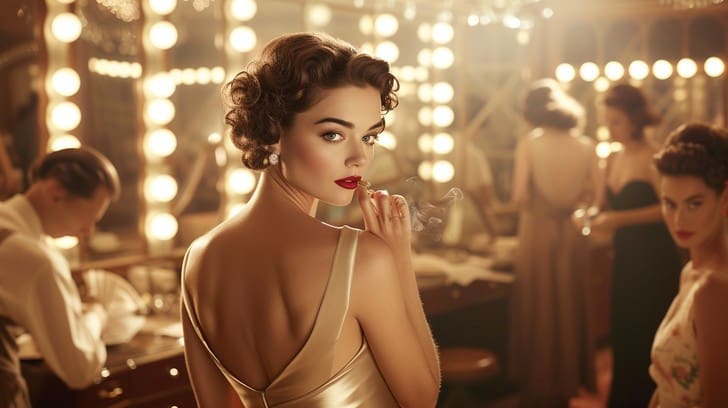
What we see on screen rarely happens by accident.
A face looks rested, a character seems sharper, a close-up feels softer, a performer appears almost unreal in the best possible way: all of that usually comes from choices made long before the audience notices anything. That is what makes visual storytelling so interesting. The final image may feel effortless, but the work behind it is layered, careful, and often invisible.
Film, television, streaming productions, even stage-to-screen content all depend on details that support the bigger illusion. Wardrobe matters. Lighting matters. Makeup matters. Skin texture, facial balance, how someone reads on camera under harsh light: that matters too. People often talk about acting and cinematography, and fair enough, those are obvious pieces. But the quieter decisions in the background shape the result just as much.
That is where aesthetic planning enters the conversation. Not in a loud way. Not as a gimmick. More as part of image management, character consistency, and camera awareness.
The camera notices everything
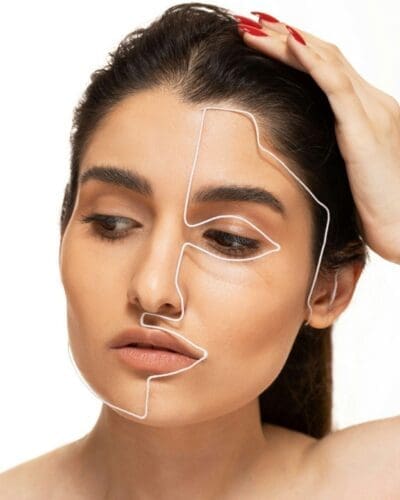
A regular face in real life and a face under professional lighting are not the same thing.
The lens tends to exaggerate things people do not even register in person. Tiredness under the eyes. Uneven texture. Volume loss. Tension in certain expressions. A lack of harmony that might go unnoticed across a dinner table can suddenly look much stronger in a close-up projected on a large screen.
That is why so many behind-the-scenes choices are built around control. Creative teams want predictability. They want continuity between shooting days. They want a performer to look like the same person under different lighting setups, from different angles, over a long production schedule.
For that reason, sourcing and planning matter more than people think. Clinics and professionals who work in aesthetics often look for reliable options through trusted wholesale channels, especially when consistency is part of the job. In that space, access to products through a wholesale botulax supplier can fit into the wider conversation around preparation, treatment planning, and professional standards that support camera-facing work.
Subtle work usually has the biggest effect
The funniest part is this: the audience often notices aesthetic work most when it is done badly.
When it is done well, they usually just think someone looks great. Rested. Focused. Fresh. Right for the part.
That is the goal.
Screen work tends to reward subtlety. The old idea that every treatment should be obvious or dramatic does not really fit the way modern productions operate. Directors want expression. Makeup artists want skin that still behaves like skin. Actors need to move their faces naturally. Even in glamorous genres, the image has to hold up under motion, emotion, and repetition.
So the real behind-the-scenes question is not, “Can something be changed?” It is more like, “Can it be adjusted without breaking the performance?”
That shift matters. A lot.
Why aesthetics became part of visual planning
People sometimes treat aesthetics as separate from production, but in many cases it is simply another form of preparation.
Actors train physically for roles. They change their hair. They work with dialect coaches. They adjust posture, wardrobe, movement. So it is not strange that image-related treatments can become part of that same preparation process. Especially when the person is going to be filmed in HD, under bright lights, for hours at a time.
This does not mean every performer is chasing perfection. Usually it is the opposite. The goal is to reduce distraction.
A smoother forehead can keep tension from reading too harshly in a soft dramatic scene. A more balanced upper face may help makeup sit better. A refreshed appearance can support continuity when a production lasts for months and fatigue starts to show. These are practical concerns, not just vanity.
And really, that is where the conversation gets more honest. Behind the glamour, a lot of aesthetic choice is logistical.
The pressure of modern image quality
Older film had its own softness. Modern digital production does not always offer that mercy.
Cameras are sharper now. Screens are clearer. Viewers pause, zoom, replay, screenshot. Faces are studied in a way that was not as common before. That changes the pressure on everyone involved in front-facing work.
You can feel it across entertainment. Streaming close-ups. Red carpet interviews clipped for social media. Behind-the-scenes footage that is no longer hidden at all. One appearance becomes ten different images across ten platforms. Suddenly, looking camera-ready is not only about the scene itself. It is about the entire publicity cycle around the scene.
That changes the role of aesthetic decisions. They become less about one event and more about maintaining a stable visual presence across formats.
It is not just vanity, it is continuity
Continuity may sound boring, but it shapes a huge amount of production work.
A character cannot look unexpectedly different from one shot to another. A performer cannot appear noticeably more tired in a scene that is supposed to happen minutes later in story time, even if the shots were filmed three weeks apart. Makeup teams can do a lot, of course. Lighting can help. Post-production can soften things. But some elements are easier to manage before the camera starts rolling.
That is why subtle aesthetic support can become part of the toolkit.
A few reasons this matters on screen:
- facial consistency helps scenes cut together more naturally
- makeup application tends to work better on smoother, more predictable surfaces
- performers often feel more confident when they know their image is under control
- close-up heavy productions leave less room for avoidable visual distraction
Confidence is worth mentioning here too. Not in a fluffy way. In a practical way. Someone who feels comfortable in their appearance usually performs with less self-consciousness. That affects posture, expression, energy. The camera picks up all of it.
The people making these calls are rarely random
Another thing people misunderstand: behind-the-scenes aesthetic choices are rarely impulsive in professional settings.
Usually, there is consultation. Timing. Planning around shoot dates. Attention to recovery windows. Consideration of what reads well on camera rather than in a mirror. That difference matters because some choices that look fine in real life can behave very differently under production conditions.
Professionals who work with on-camera clients tend to think in terms of restraint, timing, and function. They are not guessing. They are reading the demands of the environment.
And the environment is intense.
Long shoot days. Strong lights. Makeup layers. Stress. Travel. Promotional appearances. Sleep disruption. All of that shows up on the face. So even small, well-planned adjustments can have an outsized effect once filming begins.
Audiences respond to polish, even when they do not name it
Most viewers will never say, “This production made smart aesthetic choices.”
They will say the cast looked believable. Or magnetic. Or expensive. Or strangely polished. They may not have the language for what they are seeing, but they still react to it.
That is the power of visual detail. It works below the level of obvious discussion.
A performer who looks balanced on screen often reads as more convincing. A face that carries emotion without extra visual noise can pull more focus into the scene itself. A close-up lands better when the audience is watching the feeling instead of being distracted by something unrelated.
So yes, costume and lighting create mood. But facial presentation also affects how a character is received. Quietly, but constantly.
Aesthetic choices have changed with audience taste
There was a time when more obvious work could still pass without much resistance. That is harder now.
Audiences have become visually literate. They are quick to notice overcorrection. They react badly when a face looks too fixed, too inflated, too disconnected from emotion. Screen acting depends on nuance, and modern viewers want access to that nuance.
That has pushed the industry toward a softer approach. More natural movement. More respect for individual features. Less obsession with making everyone look identical.
Which is probably a good thing.
Because the strongest on-screen presence rarely comes from perfection. It comes from control paired with personality. A face still needs life in it. That is the whole point.
What stays hidden still shapes the final frame
Some of the most important decisions in entertainment are the ones viewers never think about at all.
Not because they are unimportant. Because they did their job.
Behind-the-scenes aesthetic choices sit in that category. They help performers hold up under scrutiny. They support continuity. They reduce distraction. They work alongside styling, lighting, and makeup to create a final image that feels intentional.
And that is really the key word here: intentional.
What appears on screen is built. Layer by layer. Choice by choice. Some of those choices are creative, some are technical, and some sit in that interesting middle ground where appearance supports performance without taking over it.
The audience may never see the planning. They are not supposed to. They only see the result: a face that fits the frame, a presence that holds attention, a performance that feels complete.
That kind of impact is rarely accidental.
